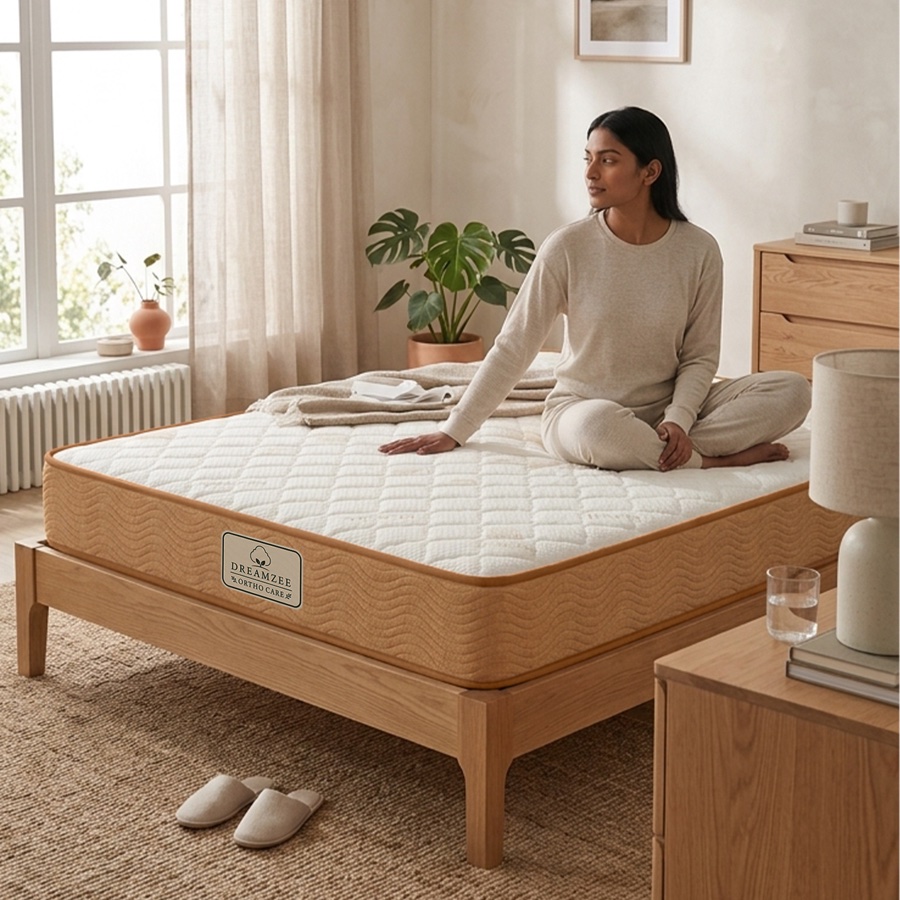
Key Takeaways
- The 20-to-24 Inch Target: An optimal floor-to-top mattress height keeps knees and hips at an even 90-degree angle, minimizing joint strain during morning exits.
- Firm Perimeter Rails: Heavy-gauge edge coils or high-density foam encasements prevent roll-off and provide a sturdy base to push off against.
- Targeted Arthritis Relief: A 2-to-3-inch responsive comfort tier cushions bursitis and tender joints without creating a sluggish "quicksand" trap.
- Popliteal Height Rule: Your feet must rest flat on the floor while seated on the edge, without thigh compression or knee hyperextension.
Morning stiffness should not make getting out of bed feel like a high-stakes physical challenge. For older adults, especially those navigating osteoarthritis, spinal stenosis, or joint replacements, the bed is not just a sleeping surface—it is a functional mobility station. Finding the best mattress for seniors requires looking past plush comfort layers to assess clinical biomechanics: how easily you can change positions, sit upright, and plant both feet firmly on the carpet.
When a mattress sinks excessively under seated weight or sits too close to the floor, standing up demands explosive quadriceps strength and severe hip flexion. Conversely, a towering profile leaves your feet dangling, creating an unstable drop that strains the knees and increases fall risks. Whether you are managing chronic stiffness or comparing the best mattress for back pain, matching your sleep system's height and rail firmness to your anatomy is vital. Models built with medical-grade support, like the Saatva RX, emphasize both structural stability and targeted contouring to prevent the sudden hip pain from your mattress that strikes when support layers fail.
The Ergonomics of Bed Height: The 20-to-24-Inch Standard
In our sleep lab, we evaluate the "sit-to-stand" transfer across dozens of body profiles. For more than 85% of adults over the age of 60, the target total height—measuring from the bedroom floor straight up to the crowned surface of the uncompressed mattress—sits between 20 and 24 inches.
This window is directly linked to adult popliteal height, the distance from the bottom of the foot to the crease behind the knee. When seated on the edge of the bed:
* Your feet should rest flat on the floor.
* Your knees should form a clean 90-degree angle, level with or slightly below your hip sockets.
* Your thighs should remain parallel to the floor without upward tilt.
If the bed drops below 19 inches, rising requires deep hip flexion past 90 degrees. This dramatically increases patellar tendon load and spikes intra-articular pressure in the knees. For someone with degenerative joint disease, that torque causes immediate morning pain. On the flip side, if the total profile exceeds 25 or 26 inches (common when stacking a 14-inch luxury mattress on top of a standard 9-inch box spring and a 7-inch frame), seniors are forced to slide forward or hop down, creating shear forces that agitate the lumbar spine and destabilize balance.
Perimeter Edge Support: The Launchpad for Independence
A proper bed exit depends entirely on the perimeter boundary. In our lab testing, we differentiate between edge retention while lying down versus edge resistance while sitting. A mattress might keep you from rolling onto the floor while asleep, yet buckle completely when you concentrate your body weight into a six-inch contact patch to put on your shoes.
As explored in our memory foam vs. hybrid mattresses comparison, all-foam beds often yield when subjected to focused seated weight. Hybrid builds, particularly those engineered with double-row, low-gauge perimeter coils, maintain vertical integrity. A fortified perimeter acts like an armchair cushion, giving your forearms and palms a solid boundary to push downward against when standing up. Premium options like the Saatva Classic integrate high-density foam encasements around dual coil systems specifically to prevent this collapse.
Balancing Arthritis Cushioning with Pushback Support
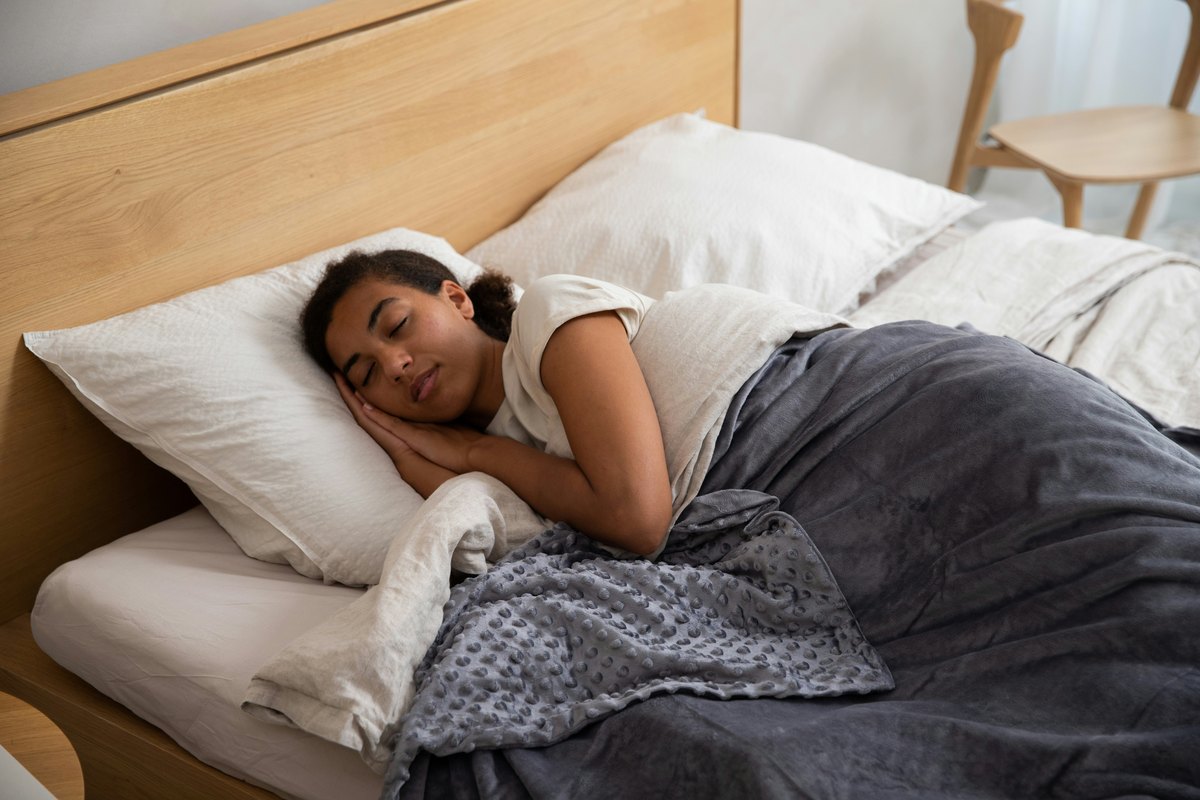
While solid edges and proper height enable clean exits, the sleeping surface must still accommodate sensitive, aging joints. Thinning skin, diminished muscle tissue, and inflamed bursae cannot tolerate excessive contact pressure. If a mattress is too rigid, pressure points flare along the greater trochanter and acromion process, prompting the restless shifting detailed in our guide on side sleepers and shoulder numbness.
However, overcorrecting with ultra-deep memory foam creates a dangerous "quicksand" effect. Traditional low-resilience foams conform closely around the body, trapping you in a crater. For an older sleeper with reduced core strength, rolling over in slow-response foam requires 40% to 60% more muscular effort.
The solution lies in fast-recovery, open-cell foams or responsive natural latex. Materials like the plant-based foam in the Amerisleep AS3 contour closely to sensitive joints without locking the body in place. When paired with independent pocket coils, the sleeper receives immediate pushback, enabling fluid position shifts throughout the night.
Sleep Lab Note: Sit-to-stand transition tests show that edge compression exceeding 3.5 inches increases the peak knee extension moment by up to 32%. A resilient perimeter rail is a functional mobility aid, not just a luxury feature.
Sleep Lab Metrics: Senior Exit & Comfort Profiles
Below are our standardized lab measurements evaluating how bed height, construction style, and perimeter engineering directly affect mobility and joint comfort.
| Mattress Profile & Type | Total Bed Height (w/ 7" Frame + 5" Base) | Seated Edge Sinkage | Sit-to-Stand Joint Effort | Best Suited For |
|---|---|---|---|---|
| 10" Firm All-Foam | 22.0 Inches | 3.8 Inches | Moderate (Edge compresses) | Back sleepers needing basic support |
| 12" Active Hybrid (e.g., WinkBeds) | 24.0 Inches | 2.1 Inches | Very Low (Coil pushback) | Osteoarthritis, hip replacements |
| 14" Deep Euro-Top Hybrid | 26.0 Inches | 2.9 Inches | High (Too tall for petite seniors) | Taller individuals, side sleepers |
| 11" Natural Latex Hybrid | 23.0 Inches | 1.8 Inches | Very Low (Immediate bounce) | Restless sleepers, reduced mobility |
| 10" Budget Memory Foam | 22.0 Inches | 4.6 Inches | High (Trenching effect) | Lightweight back sleepers only |
Practical Diagnostic: Calibrating Your Sleep Setup
Before replacing your mattress, run these four checks to determine if your current setup is sabotaging your mobility or aggravating your joints:
- The Popliteal Seated Test: Sit on your bed with shoes off. Are your heels resting flat on the ground with your knees level to your hips? If your heels hover, swap your standard 9-inch box spring for a 4-inch low-profile foundation. If your knees are driven toward your chest, add a low riser set under your bed frame.
- The 3-Second Edge Compression Check: Sit right on the boundary. Does the edge compress halfway down to the slats? If the perimeter sinks past 3.5 inches, your thighs will angle downward, making standing a strain on your core and knees.
- The Spinal Neutrality Audit: Lie down on your preferred sleeping side. If your spine curves downward at the hips, you risk severe morning tension. Check our analysis on mattress firmness for sleeping positions to align comfort depth with your body weight.
- The Lumbar Gap Check: If you sleep on your back and notice your lower back hovering above the mattress, secondary support is lacking. This issue often triggers the nerve compressions highlighted in our guide on sleeping with sciatica.
Frequently Asked Questions
What is the safest total bed height for a senior using a walker or cane?
The ideal height is exactly at your popliteal crease—typically between 20 and 22 inches from the floor to the uncompressed bed top. This profile allows you to plant both feet firmly on the ground before grabbing your assistive device, eliminating any dropping or climbing that could compromise your balance.
Can adding a soft mattress topper fix joint pain without ruining edge support?
Toppers cushion sore hips and shoulders, but they soften the edges of the bed. If you add a plush 3-inch topper, the perimeter will compress more when you sit down. If you need surface cushioning, choose a 2-inch high-density responsive foam topper so you don't compromise your stability at the perimeter.
Are adjustable bases safe for seniors with severe arthritis?
Yes, adjustable bases can significantly improve mobility. Raising the head of the bed 30 to 45 degrees helps sit you upright without abdominal strain, letting you pivot your legs over the side with far less effort. Just ensure the base's lowest profile setting keeps your seated knee angle close to 90 degrees.

Jessica Moore, Certified Sleep Science Coach
Jessica has spent 8+ years analyzing biomechanics, pressure relief mapping, and mattress ergonomics. She leads our independent sleep lab in Austin, TX, overseeing thermal, motion, and durability testing.