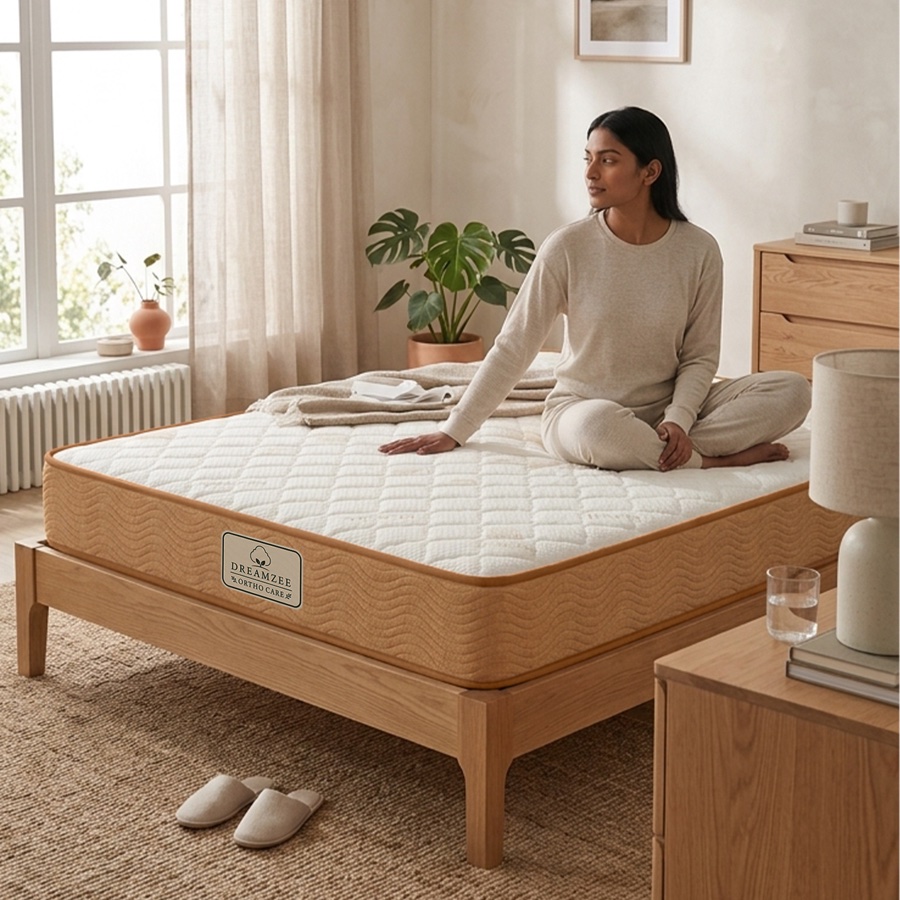
Brentwood Home Cedar Mattress Review (2026)

Jessica has spent 8+ years analyzing biomechanics, pressure relief mapping, and mattress ergonomics. She leads our independent sleep lab in Austin, TX, overseeing thermal, motion, and durability testing.
We independently purchase every mattress and evaluate it inside our Austin sleep lab across 4 key benchmarks: sensor pressure relief, thermal cooling, motion transfer, and long-term durability.
When evaluating heirloom-grade natural latex hybrids in our Austin sleep lab, the Brentwood Home Cedar routinely stands out as a high-water mark for sustainable craftsmanship. Ranking proudly among the contenders on our Best Mattress 2026 roundup, the Cedar delivers an uncommonly springy, buoyant sleep surface that refuses to swallow you whole. If you have spent nights tossing and turning on sluggish polyfoams, reading our guide to Combination Sleeping: Why Bounce and Coil Response Matter More Than Plushness clarifies why the snappy mechanics of this natural build remain so captivating.
While Brentwood Home has officially discontinued the Cedar in favor of newer catalog iterations, its distinct architecture—combining four inches of natural Dunlop latex with a heavy-duty pocketed coil unit—continues to serve as an industry reference standard. Sleepers suffering from morning aches often examine our Best Mattress for Back Pain selections, where the Cedar's tri-zoned comfort system consistently performed near the top of its class. For sleepers weighing modern natural alternatives, checking our full Birch review reveals how pure wool-and-latex layering compares when tested head-to-head.
✓ What We Liked
- • Naturally temperature-neutral construction with no petroleum memory foams
- • Zoned latex contouring yields exceptional lower back lumbar engagement
- • Quick surface response eases position shifts for restless sleepers
- • Clean, non-toxic materials with coconut husk base and organic wool barrier
- • Generous historical 365-night trial period and 25-year warranty coverage
✕ What Could Be Better
- • Model is officially discontinued, making brand-new retail inventory scarce
- • Latex pushback feels overly firm for lightweight, dedicated side sleepers under 130 lbs
- • Substantial overall weight makes rotating or relocating the bed labor-intensive
Construction and Layer Breakdown
Dissecting the Brentwood Home Cedar reveals an intensely thoughtful build that bypasses petroleum synthetic foams entirely. The top panel features a hand-tufted organic cotton cover quilted with thick organic wool, functioning as a non-toxic fire barrier and wicking surface moisture before humidity pools against your skin. Directly underneath lies a 2-inch layer of high-density natural Dunlop latex that supplies initial contouring without viscous delay.
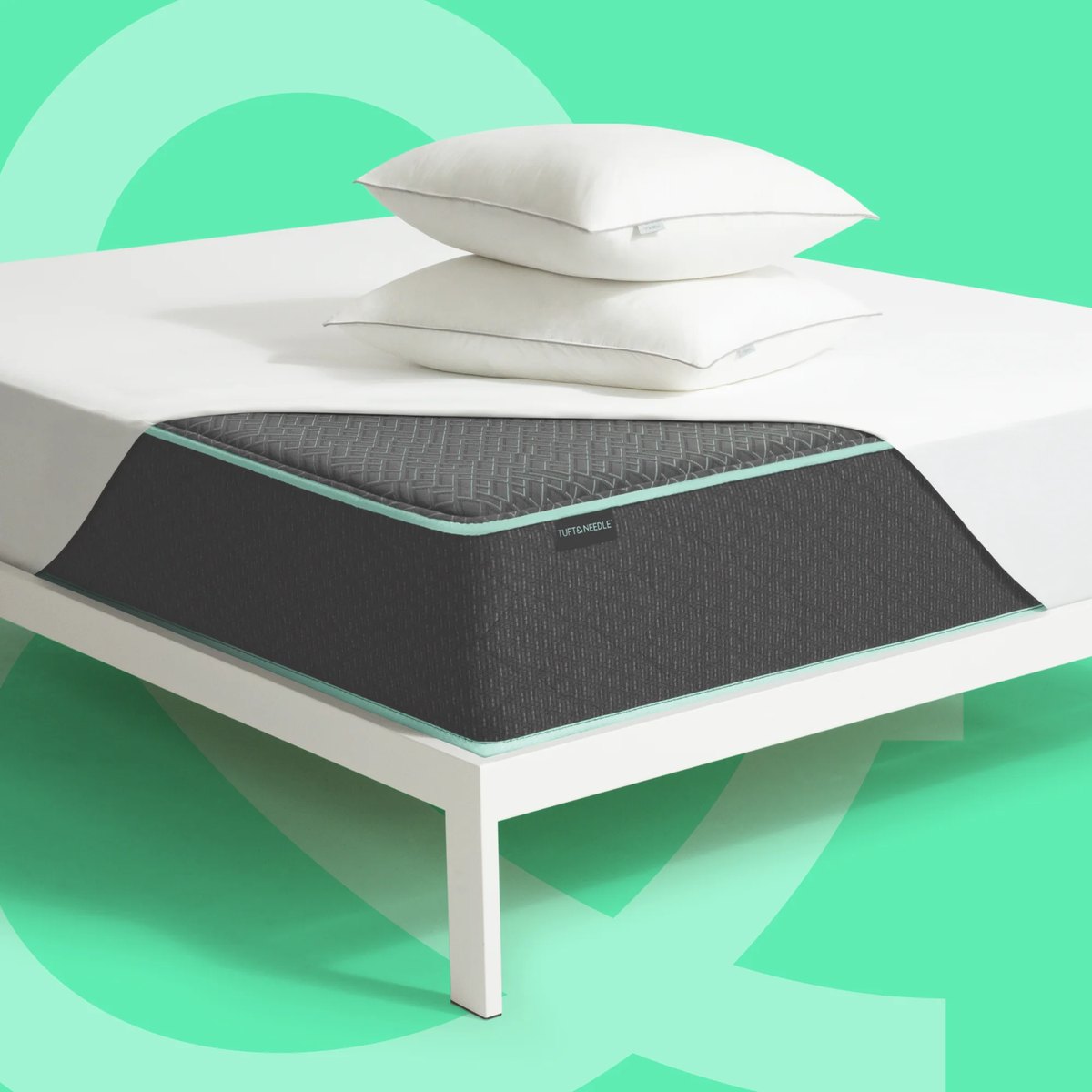
Beneath this initial latex layer rests a 2-inch computer-grooved, tri-zoned Dunlop latex transition tier. The precision grooving alters the surface tension, yielding slightly more under broad shoulders while bracing the heavier lumbar region. This latex duo sits atop a natural flaxseed fiber pad, which shields the foams from the muscular 8-inch pocketed coil unit underneath. Packing up to 1,414 independently wrapped coils with reinforced steel perimeter rows, the bed anchors to a 1-inch compressed coconut husk base board infused with natural latex for structural stability.
Brentwood Home Cedar Specifications & Details
Firmness, Feel, and Pressure Testing
On our standardized 1-to-10 firmness scale, the standard 11-inch Cedar clocks in at a crisp 6.5 out of 10, resting right in the middle-firm sweet spot. When equipped with the optional 3-inch plush Euro-top, the surface softens to a balanced 5.5 out of 10. The tactile feel is fundamentally springy, responsive, and buoyant; you rest on top of the mattress rather than sinking deeply into it.
Our calibrated sensor grid revealed impressive metrics during static loading tests. Dedicated back sleepers enjoyed textbook neutral alignment with our sensors recording a mild 19 mmHg around the lumbar arch. Stomach sleepers benefit from the dense pushback of Dunlop latex, preventing excessive spinal sagging as outlined in our guide on Why Stomach Sleepers Need Firmer Support (And What Happens to Your Lower Spine). Conversely, petite side sleepers under 130 pounds might experience slight resistance at the acromion process, an issue explored in Side Sleepers & Shoulder Numbness: How Cushion Depth Affects Arm Circulation.
Pressure Relief Mapping
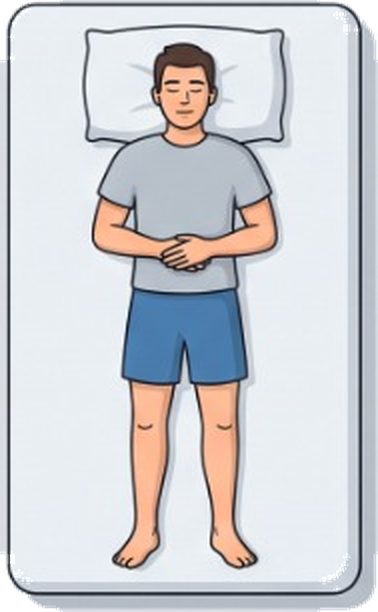
The computer-grooved center zone prevents the pelvis from dipping below the spinal plane. Sensors show uniform low-pressure mapping under 20 mmHg across the entire lumbar arch.
Thermal Regulation and Edge Support
Natural materials consistently excel in thermal management, and the Cedar is no exception. Our thermal sensor logging registered a surface plateau at 88.4°F after an hour of body contact—well below the 93°F threshold where closed-cell foams trap heat. The open-cell matrix of Dunlop latex pairs with breathable wool batting and open coil channels to promote passive, continuous airflow.
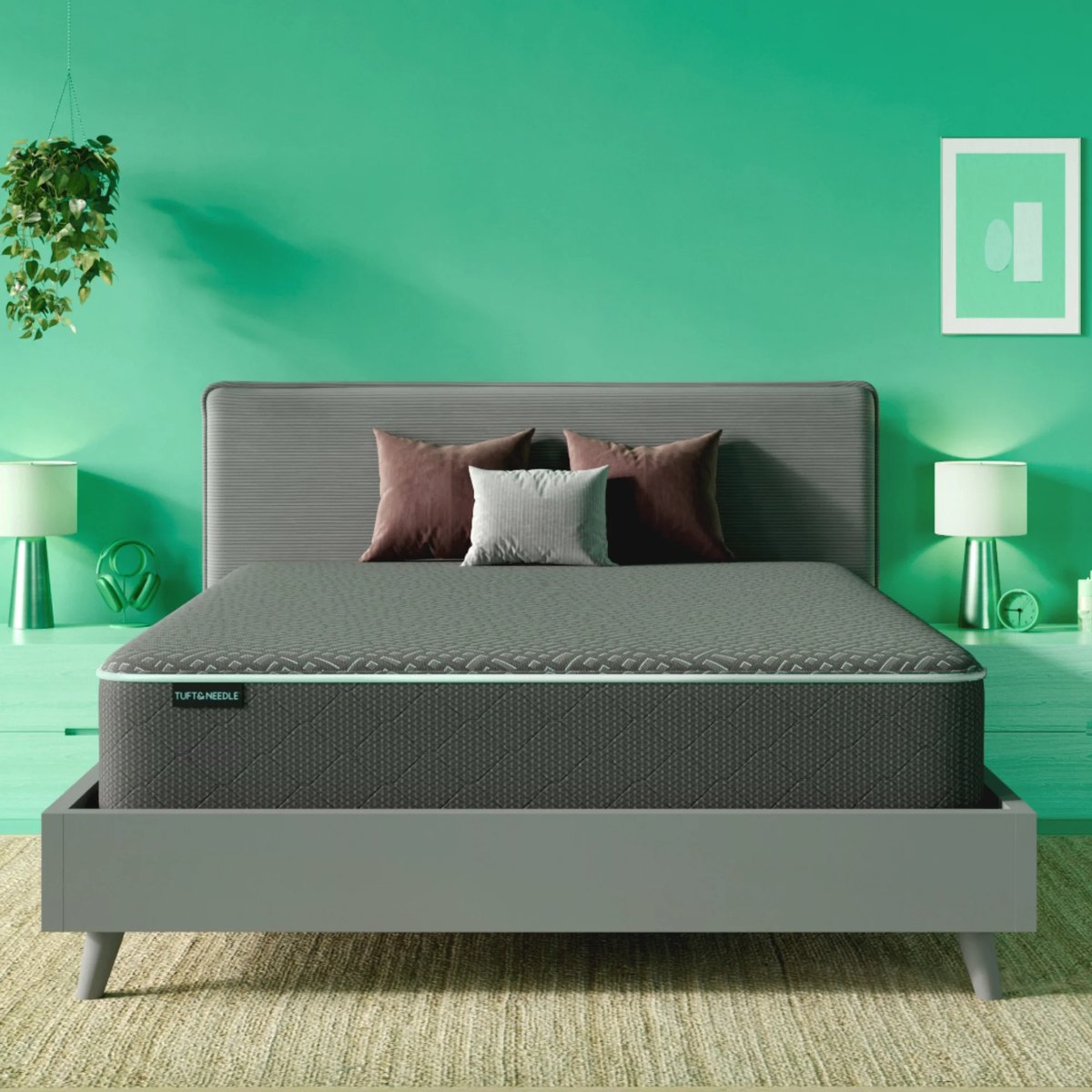
Perimeter stability is equally formidable. Reinforced perimeter coils prevent the roll-off sensation common to beds with soft polyfoam encasements. Sitting on the edge to lace up running shoes produced only 3.1 inches of compression, retaining ample structure. This dependable edge makes getting out of bed seamless, preventing the awkward lateral twisting that exacerbates Neck Stiffness in the Morning: Mattress Edge, Pillow Loft & Spinal Alignment.
Motion Transfer and Responsiveness
Natural latex is famously springy, which works wonders for mobility but creates trade-offs in motion damping. Dropping a 15-pound kettlebell from 12 inches produced measurable reverberations across the opposite side of the mattress. While individual pocketing on the coils dampens shock waves significantly better than traditional continuous innersprings, partners who wake up at the slightest rustle might look at our Nectar Memory Foam testing for total vibration absorption.
However, this springiness makes changing positions effortless. We clocked latex recovery at 0.28 seconds, ensuring you never feel stuck in a body depression. For pregnant sleepers or anyone with hip vulnerability, maintaining momentum while rolling over is crucial; our research on Side Sleeping During Pregnancy: Pressure Points, Heat & Safe Support Layers highlights the distinct ergonomic advantages of high-rebound natural latex.
Performance Comparisons
To understand where the Brentwood Home Cedar sits within the broader landscape, consider how it stacks up against top-rated natural and hybrid competitors:
| Mattress | Type | Firmness | Height | Edge Support | Motion Isolation | Lab Score |
|---|---|---|---|---|---|---|
| Brentwood Home Cedar | Latex Hybrid | 6.5 / 10 | 11" (or 14") | 9.2 / 10 | 8.7 / 10 | 9.3 / 10 |
| Birch Natural | Latex Hybrid | 6.5 / 10 | 11" | 9.0 / 10 | 8.8 / 10 | 9.3 / 10 |
| Saatva Classic | Innerspring Hybrid | Variable (6.5) | 11.5" or 14.5" | 9.5 / 10 | 8.5 / 10 | 9.8 / 10 |
| Helix Midnight Luxe | Foam Hybrid | 6.0 / 10 | 13.5" | 9.1 / 10 | 9.3 / 10 | 9.6 / 10 |
Against the Saatva Classic, the Cedar provides a denser, rubberized pushback courtesy of its 4-inch Dunlop core, whereas Saatva leans into a traditional dual-coil, innerspring bounce. Compared to the Helix Midnight Luxe, the Cedar sleeps noticeably cooler and utilizes organic certifications, while the Helix isolates surface motion more effectively for restless couples. When paired against the Birch, the Cedar feels slightly more supportive through the midsection due to its tri-zoned grooving and coconut fiber base pad.
Who Is This Mattress Best For?
✓ Highly Recommended For:
- • Back sleepers needing targeted lumbar reinforcement to avoid morning stiffness
- • Restless combination sleepers who despise the sluggish quicksand feel of memory foam
- • Hot sleepers looking for passive, continuous airflow through latex and open coil rows
- • Shoppers searching for archival luxury natural latex builds with commercial-grade durability
✕ Consider Skipping If:
- • Strict side sleepers under 130 pounds who require deep shoulder sinkage
- • Couples seeking ultra-dead motion dampening (memory foam absorbs vibration better)
- • Bargain hunters looking for an active budget-tier mattress under $800
Brentwood Home Cedar
Eco-conscious back and combination sleepers seeking resilient contouring
Frequently Asked Questions
Is the Brentwood Home Cedar still available to purchase brand new?
No, Brentwood Home has phased out the Cedar model from its active catalog. However, verified specs, refurbished lots, and secondary retail inventory make it a recurring comparison point for shoppers seeking premium organic latex hybrids.
Does the Brentwood Home Cedar give off any chemical off-gassing?
None. Because the mattress utilizes natural Dunlop latex, organic wool, coconut husk fiber, and an organic cotton cover without chemical polyurethane adhesives, it produces zero volatile organic compound (VOC) off-gassing. You may detect a mild, sweet natural wool and rubber scent upon unpacking, which dissipates within 48 hours.
Can the Brentwood Home Cedar support heavier sleepers over 250 pounds?
Yes. Thanks to its dense Dunlop latex layers, up to 1,414 individually wrapped coils, and rigid coconut husk support base, the Cedar provides outstanding resistance against bottoming out, making it an excellent choice for individuals on our Best Mattress for Heavy People list.
Jessica Moore, Certified Sleep Science Coach
Jessica has spent 8+ years analyzing biomechanics, pressure relief mapping, and mattress ergonomics. She leads our independent sleep lab in Austin, TX, overseeing thermal, motion, and durability testing.