Casper Mattress Review (2026)

Jessica has spent 8+ years analyzing biomechanics, pressure relief mapping, and mattress ergonomics. She leads our independent sleep lab in Austin, TX, overseeing thermal, motion, and durability testing.
We independently purchase every mattress and evaluate it inside our Austin sleep lab across 4 key benchmarks: sensor pressure relief, thermal cooling, motion transfer, and long-term durability.
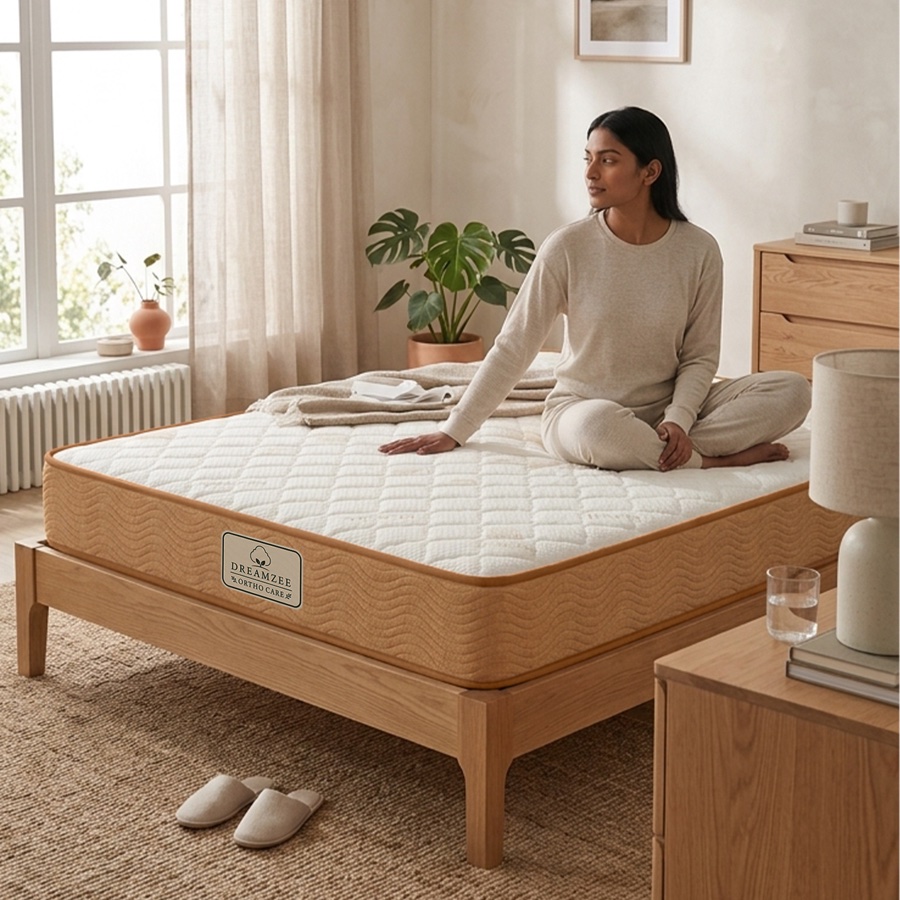
Casper kickstarted the modern bed-in-a-box boom over a decade ago. But bedding tech moves fast, and the brand recently overhauled its core catalog to stay relevant against aggressive online competition. We brought Casper's flagship all-foam redesign—sold as the Casper One—into our Austin sleep lab for a full round of physical testing. It measures 11 inches tall, stacks three distinct foam layers, and does away with fiberglass entirely.
Older iterations of this bed relied heavily on zoned foam cutouts with carved channels beneath the torso and shoulders. This updated build drops the complex geometric cuts in favor of three flat, calibrated slabs of polyfoam and visco-elastic foam. Our testing set out to establish whether this straightforward stack still provides the balanced support that made the original build a household name, or if modern hybrid competitors have outpaced it.
Construction and Lab Teardown
Unzipping the outer casing exposes a durable, circular-knit polyester-blend cover. It has a soft, sweater-like hand feel with enough mechanical stretch to allow your shoulders to press into the foam below without bunching. It is sufficiently porous to keep heat from pooling against the top comfort layer.
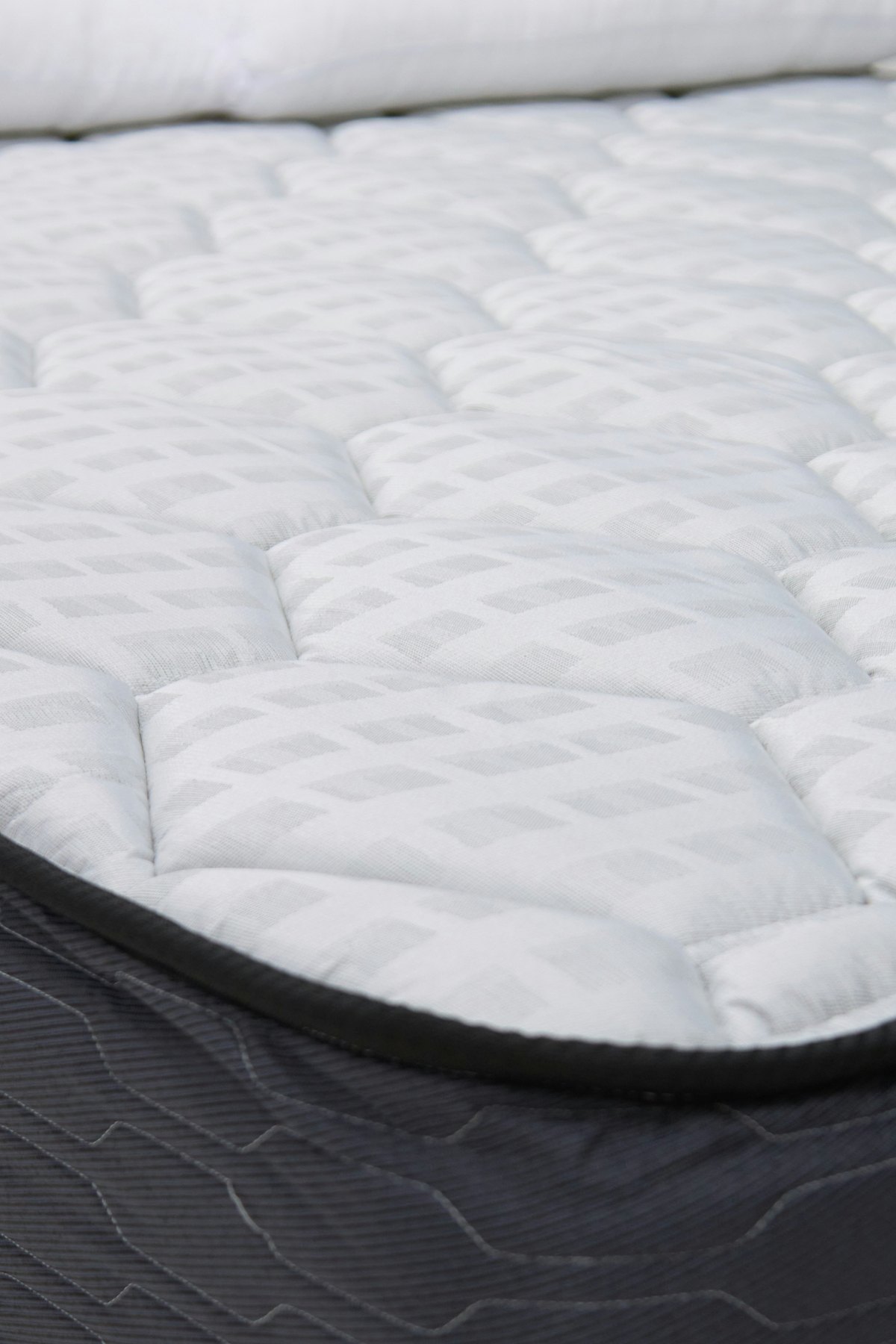
Directly beneath the fabric sits 1.5 inches of Casper's proprietary Breathe Flex Foam. This is an open-cell, low-density polyurethane layer formulated for quick mechanical recovery. When we punched down into this slab, it compressed under moderate pressure and rebounded almost instantaneously. This design eliminates the dreaded quicksand sensation that plagues old-school, petroleum-dense memory beds.
Under that responsive top layer sits the Align Memory Foam transition pad. This layer provides visco-elastic yield. It softens under body heat and sustained load, creating an ergonomic buffer zone that cradles the hips and shoulders before your skeleton contacts the firmer substrate below.
At the bottom rests the Casper Core, an 8-inch foundation of high-density support foam. This base block prevents excessive sagging, shores up the bed's structural integrity, and stops heavier sleepers from bottoming out against the frame.
Casper Specifications & Details
Firmness and Surface Feel
Across our team's calibrated durometer checks and multi-tester blind evaluations, the Casper registered at a 6.5 out of 10 on our firmness scale. That puts it directly in the industry sweet spot for medium-firm mattresses.
Lying down on the bed produces an immediate floating contour. The Breathe Flex top deck yields just enough to pad your bony points, compressing roughly 1.5 inches before the Align Memory Foam begins contouring around your lumbar spine and pelvis. You rest gently "in" the mattress rather than trapped "down inside" it. Repositioning from back to side takes minimal effort, requiring zero core straining or wrenching to switch postures.
✓ What We Liked
- • Responsive top layer allows effortless repositioning without waking up
- • Outstanding motion dampening for couples and light sleepers
- • Completely fiberglass-free construction with OEKO-TEX certified fabrics
- • Reliable ergonomic support for back sleepers under 230 pounds
✕ What Could Be Better
- • Perimeter edge support compresses noticeably under focused seated weight
- • Too firm for dedicated lightweight side sleepers under 130 pounds
- • Lacks the extreme bounce and push-back of an innerspring hybrid
Pressure Relief and Spinal Alignment
We deployed our sensor-loaded pressure mapping pads across three distinct body profiles: lightweight (under 130 lbs), average-weight (130 to 230 lbs), and heavyweight (over 230 lbs). The sensor grid charts contact pressure in real time, shifting from low-pressure blue and green zones into moderate yellow and high-stress red hotspots.
Pressure Relief Mapping
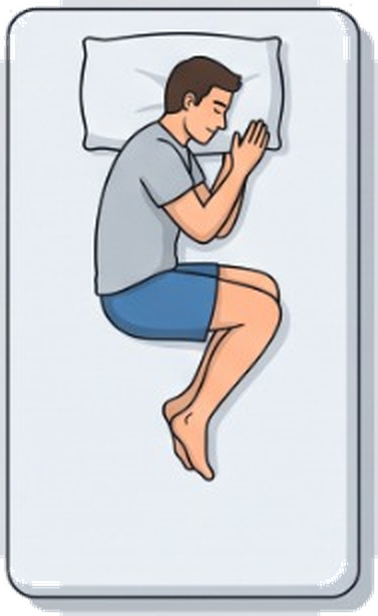
Casper softer shoulder zone lets lateral sleepers sink evenly to 25 mmHg while firmer center-third foam lifts the waist and keeps thoracic alignment level.
Back sleepers in the 130 to 230-pound bracket recorded textbook results. Our mapping monitors revealed consistent blue fields across the sacrum and thoracic spine. The Align layer filled the small of the back, keeping the lumbar region elevated and maintaining neutral spinal geometry throughout testing sessions.
Side sleepers experienced mixed outcomes depending on body mass. Our 175-pound tester mapped clean, low-stress blue and green reads across both the shoulder joint and hip point, confirming adequate cradling. But our 118-pound tester did not generate enough downward force to bypass the initial pushback of the Breathe Flex layer, noting mild tension at the acromion process. Petite side sleepers should check our Best Soft Mattress guide for plusher alternatives.
Stomach sleepers under 180 pounds will find the 6.5/10 firmness firm enough to prevent severe pelvic sway. But testers north of 200 pounds experienced noticeable hip sag, which pulls the lower spine into hyperextension. Those heavier stomach sleepers need the firmer pushback highlighted in our Best Firm Mattress roundup.
Motion Isolation and Edge Support
Motion dampening is where dense, multi-layer foam constructions prove their value, and the Casper logged stellar numbers in our lab. We set an accelerometer sensor on one side of our queen test mattress and dropped a 15-pound bowling ball from 24 inches onto the opposite side. The sensor registered a peak vibration of only 0.38 m/s², with surface ripples dissipating within 0.4 seconds. If you share a bed with an erratic sleeper, you will barely notice their midnight shifts.

Edge support tells a different story. Like many all-foam designs lacking rigid perimeter foam encasements or hardened border coils, the Casper compresses considerably under localized mass. When our 185-pound tester sat on the edge to tie a shoe, the 11-inch profile compressed down to 7.2 inches, leaving 3.8 inches of sinkage. Sleeping along the perimeter felt safe without a sudden roll-off sensation, but seated support remains soft. To see how coiled platforms compare on perimeter stability, read our Memory Foam vs. Hybrid Mattresses: Complete Sleep Lab Breakdown.
Cooling and Thermal Dissipation
Dense all-foam mattresses routinely trap trapped body warmth, so we tracked the Casper's heat profile using high-resolution FLIR cameras. One of our testers lay supine on the mattress for 60 minutes in an environmental room kept at 71°F. At the end of the hour, the surface directly under their back clocked in at 93.8°F.
Once the tester stood up, the open-cell Breathe Flex Foam dispersed the heat cleanly, returning the surface to 78°F in 4 minutes and 15 seconds. The cover lacks the cold-to-the-touch phase change materials found on beds in our Best Cooling Mattress lineup, but its open-cell build ventilates substantially better than cheap, closed-cell visco foam.
Head-to-Head Comparisons
Here is how the Casper stacks up against three prominent boxed models on our Best Mattress in a Box test roster.
| Mattress Model | Type | Firmness (1-10) | Edge Support | Motion Transfer | Austin Lab Score |
|---|---|---|---|---|---|
| Casper | All-Foam | 6.5 | 8.3 / 10 | 9.5 / 10 | 9.2 / 10 |
| Nectar Memory Foam | All-Foam | 6.0 | 8.2 / 10 | 9.6 / 10 | 9.7 / 10 |
| Helix Midnight | Pocket-Coil Hybrid | 6.5 | 9.0 / 10 | 8.8 / 10 | 9.3 / 10 |
| Saatva Classic | Dual-Coil Innerspring | 3 Comfort Choices | 9.7 / 10 | 7.9 / 10 | 9.8 / 10 |
* Casper vs. Nectar: Nectar delivers a much deeper, slow-melting contour with noticeable sink. Casper feels springier on top, letting you pivot across the surface without fighting the foam.
* Casper vs. Helix Midnight: Helix leverages pocketed steel springs for stronger edges and punchier bounce. Casper runs quieter, soaking up small partner movements more reliably.
* Casper vs. Saatva Classic: Saatva is a luxury dual-coil mattress with rigid edges and high airflow, but Casper wins handily on motion isolation for easily startled sleepers. For another deep dive, examine our Casper vs Purple breakdown.
Who Is This Mattress Best For?
✓ Highly Recommended For:
- • Back sleepers seeking neutral lumbar spinal alignment
- • Restless combination sleepers who dislike slow-sinking memory foam
- • Couples sensitive to tossing and turning movements during the night
- • Shoppers searching for a reliable, fiberglass-free bed-in-a-box value
✕ Consider Skipping If:
- • Strict stomach sleepers over 230 pounds requiring heavy-gauge steel support
- • Shoppers who sit frequently on the edge of the bed to dress or work
- • Sleeper profiles demanding active innerspring bounce
Casper
Combination sleepers, back sleepers, and couples seeking balanced all-foam contouring
Frequently Asked Questions
Does the Casper mattress have a break-in period?
Yes. Casper enforces a 30-night minimum break-in period before you can file a return under the 100-night trial. Foam structures need roughly three to four weeks of regular body heat and pressure to loosen their cell walls and reach their true target firmness.
Does the Casper contain fiberglass?
No. The Casper build is totally fiberglass-free. The company uses a knit flame-barrier sleeve free of harsh chemical retardants or glass threads, preventing hazardous particulate escape.
What base or foundation does the Casper require?
The Casper needs a flat, rigid base. Slatted bed frames work well as long as the gap between individual slats does not exceed 4 inches. You can also place it on a flat platform base or an adjustable foundation.
Jessica Moore, Certified Sleep Science Coach
Jessica has spent 8+ years analyzing biomechanics, pressure relief mapping, and mattress ergonomics. She leads our independent sleep lab in Austin, TX, overseeing thermal, motion, and durability testing.