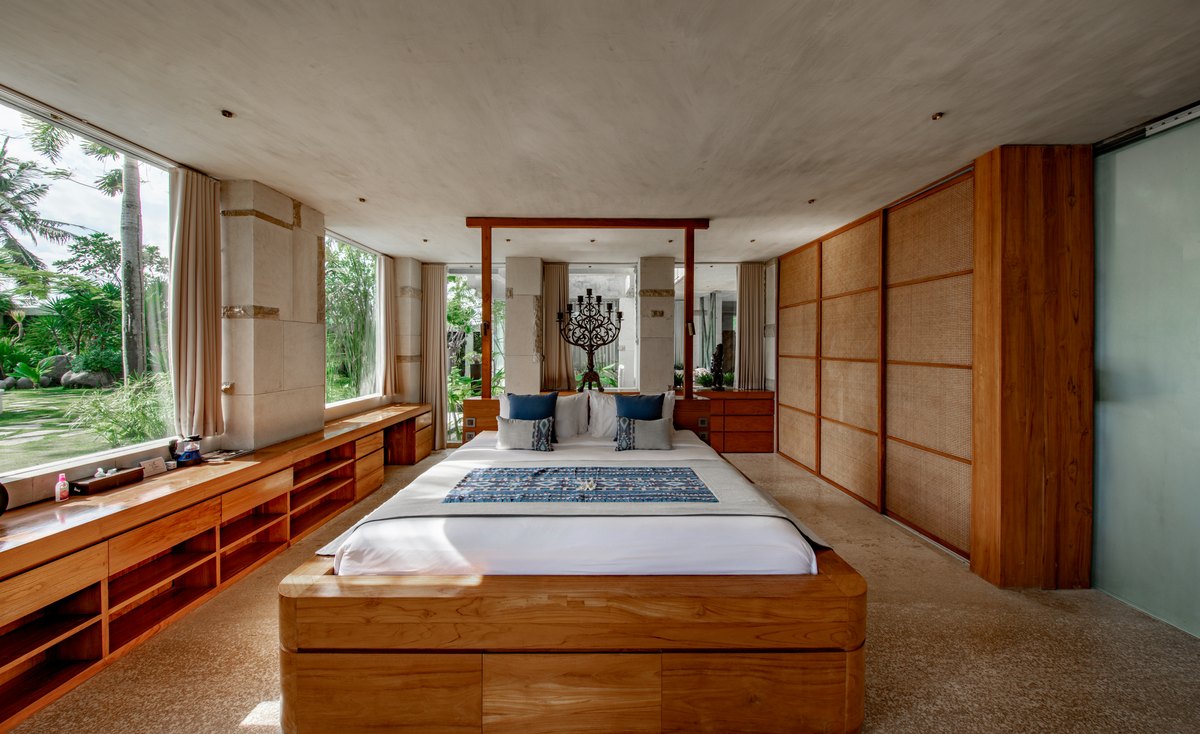
Tempur-Pedic wins for deep orthopedic contouring; Purple captures the thermal and active-sleeper crown.
Tempur-Pedic TEMPUR-Adapt
11" Profile | Starting at $1,699
- Flawless 9.9/10 pressure relief with custom body-molding
- Near-total motion absorption ideal for light sleepers
- Multiple firmness choices (Soft 3.5, Medium 5.5, Firm 7.5)
Purple Original
9.25" Profile | Starting at $799
- Top-tier cooling via 1,800+ open grid airflow channels
- Instant elastic rebound facilitates effortless repositioning
- Budget-friendly entry price starting nearly $900 lower
Key Takeaways
- Tempur-Pedic delivers unmatched zero-gravity pressure relief (9.9/10), recording sub-20 mmHg readings under the shoulders and hips.
- The Original Purple dominates thermal dissipation (9.5/10), keeping surface temperatures nearly 4°F cooler than standard memory foam.
- Couples seeking absolute motion isolation will prefer Tempur-Pedic, which absorbed 98% of vibration energy in our accelerometer drops.
- Combination sleepers who switch positions frequently benefit from Purple's instantly responsive GelFlex Grid over Tempur-Pedic's slow contour.
| Lab Metric / Specification | Tempur-Pedic TEMPUR-Adapt | Purple Original |
|---|---|---|
| Tested Firmness | Medium (5.5 / 10) | Medium-Firm (6.5 / 10) |
| Comfort Layer Construction | Proprietary TEMPUR Viscoelastic Foam | 2-inch Hyper-Elastic GelFlex Grid |
| Base Support | High-Density Polyfoam Core | Dual-Layer Structural Polyfoam Core |
| Peak Pressure Relief | 9.9 / 10 (18.4 mmHg shoulder peak) | 9.3 / 10 (24.1 mmHg shoulder peak) |
| Surface Cooling Score | 8.7 / 10 | 9.5 / 10 |
| Motion Transfer Attenuation | 9.9 / 10 (0.18s vibration decay) | 9.2 / 10 (0.42s vibration decay) |
| Perimeter Edge Support | 8.8 / 10 (3.25" compression) | 8.5 / 10 (3.65" compression) |
| Mattress Height | 11 inches | 9.25 inches |
| Sleep Trial / Warranty | 90 nights / 10-year full warranty | 100 nights / 10-year full warranty |
| Starting Price | $1,699 | $799 |
Choosing between Tempur-Pedic and Purple comes down to two completely different engineering philosophies. In our sleep research facility, the comparison between the Tempur-Pedic collection and the original Purple mattress highlights the stark division between NASA-engineered viscoelastic memory foam and hyper-elastic polymer buckling grids. Both brands routinely earn top spots when evaluating the best mattress of 2026, yet they produce radically distinct tactile sensations.
While Tempur-Pedic focuses on slow-sinking, orthopedic pressure distribution that ranks among the best mattresses for back pain, Purple's proprietary GelFlex Grid delivers an instantly responsive, buoyant support system designed to keep sleepers floating atop the mattress rather than sinking into it. Below, we break down our hands-on instrumentation tests across pressure mapping, heat retention, motion isolation, and edge stability to help you determine which architecture fits your sleeping style.
Construction and Core Materials
The fundamental difference lies beneath the covers. The Tempur-Pedic TEMPUR-Adapt series relies on dense viscoelastic foam originally developed to absorb g-forces. Rather than conventional open-cell polyfoam, TEMPUR material responds to body heat and weight simultaneously, causing cell walls to soften and wrap around the body’s micro-contours. This 11-inch build combines a breathable moisture-wicking knit cover, an original TEMPUR comfort layer, an advanced TEMPUR-ES support layer, and a dense, cold-cured polyfoam foundation.
In contrast, the Purple mattress features a 2-inch top layer of proprietary Hyper-Elastic Polymer molded into a geometric grid containing over 1,800 air channels. When local pressure exceeds a specific threshold—such as under your pelvis or shoulder blade—the column walls buckle outward to cradle the protrusion while remaining structurally upright beneath broader, lighter zones like the lumbar region. This comfort layer rests on dual polyfoam transition and base strata totaling 7.25 inches. For sleepers seeking coil-assisted lift, the brand also manufactures the Purple Hybrid, which pairs this grid with pocketed coils rather than an all-foam base.
Firmness, Feel, and Tactile Response
On our standardized 1-to-10 firmness scale, we rate the flagship Tempur-Pedic Adapt Medium at a 5.5/10, providing a classic medium feel with noticeable contouring. Purple registers slightly firmer at 6.5/10, falling squarely into the medium-firm category.
* Tempur-Pedic (Slow-Response Contour): Laying on the TEMPUR surface initiates a gradual melting sensation. It requires 4 to 6 seconds for the foam cells to warm and yield. Once settled, pressure vanishes, but rolling over requires deliberate muscular engagement because the foam does not bounce back instantly.
* Purple (Elastic Suspension): Purple delivers an unmistakable "floating" sensation. The GelFlex Grid feels firm until pointed weight forces the walls to yield, creating instant cradling without the sensation of being stuck. It rebounds in milliseconds, making repositioning effortless.
Pressure Relief and Spinal Alignment
We deployed our 1,024-sensor diagnostic pressure mat across side, back, and stomach sleeping postures for testers ranging from 130 to 240 pounds.
Tempur-Pedic demonstrated why it remains the clinical benchmark for joint relief, scoring 9.9/10. Under our 140-pound and 195-pound side testers, shoulder pressure peaked at an exceptionally low 18.4 mmHg, and hip pressure leveled at 19.8 mmHg. Any reading below 30 mmHg indicates healthy capillary blood flow without localized ischemia. The continuous viscoelastic envelope fills the lumbar gap completely, promoting neutral lordotic curvature.
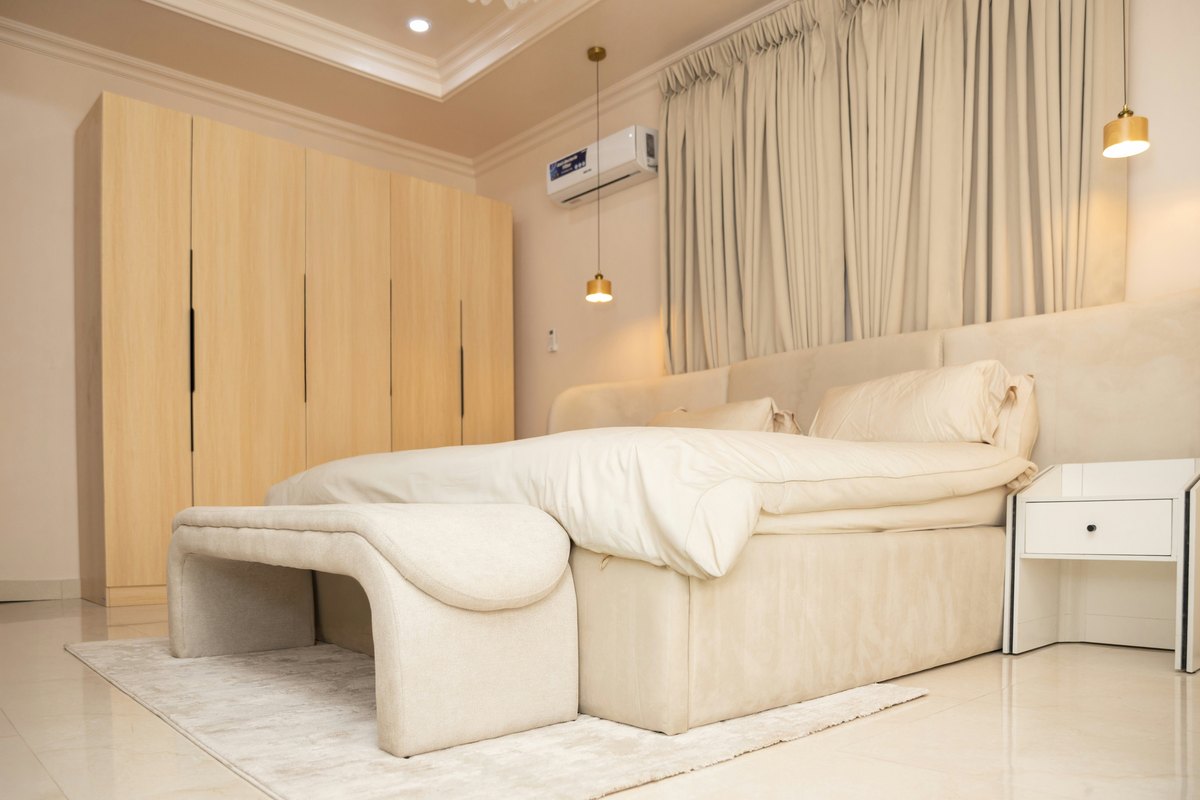
Purple scored a commendable 9.3/10. Its buckling column mechanism excelled for back sleepers and average-weight side sleepers, recording 24.1 mmHg at the lateral shoulder point. However, our 230-pound side sleeper compressed through the 2-inch grid down into the transition polyfoam, resulting in a minor pressure spike of 33.6 mmHg at the trochanter. Sleepers over 220 pounds who favor side sleeping will find superior spinal alignment on deeper hybrid constructions or thicker TEMPUR models.
Thermal Regulation and Heat Dissipation
Using an array of skin-contact thermocouple sensors and FLIR thermal imaging cameras, we measured surface heat retention over a two-hour cycle following human sleep simulation.
Purple achieved a stellar 9.5/10 cooling rating. Because the GelFlex Grid is composed of 80% open-air columns, ambient air circulates freely directly beneath the sleeper's body. Post-occupancy surface temperatures dropped back to ambient room temperature (70°F) within 3 minutes and 40 seconds, avoiding the thermal traps common to conventional foams. If you run hot, Purple provides a distinct structural advantage over dense slab constructions, much like what we observed in our Casper vs Purple lab comparisons.
Tempur-Pedic scored an 8.7/10. Dense viscoelastic cells naturally store thermal energy. While modern Tempur-Pedic models incorporate phase-change knit covers and improved open-cell architecture, the mattress still retained warmth longer than Purple, taking 9 minutes and 15 seconds to return to baseline temperature. Sleepers with pronounced night sweats may need to step up to Tempur-Pedic's higher-tier LuxeBreeze line or look at latex options to achieve comparable airflow.
Motion Isolation and Edge Performance
Minimizing sleep disruption from an active partner is critical for sensitive sleepers evaluating the best mattress for couples.
In our laboratory accelerometer drops, Tempur-Pedic proved almost impenetrable to kinetic energy transfer (9.9/10). Dropping a 15-pound kettlebell 12 inches from our sensor registered a negligible 0.08g deflection that dissolved in under 0.2 seconds. It remains the gold standard for zero partner disturbance.
Purple also performed well (9.2/10), as the individual polymer grid walls absorb localized vertical kinetic energy without propagating waves horizontally. However, its slightly springier foam base produced a minor secondary vibration trace lasting 0.42 seconds—still thoroughly isolating, but not as deadening as Tempur-Pedic’s dense foam.
Edge support was competitive. Sitting directly on the perimeter, Tempur-Pedic compressed 3.25 inches (scoring 8.8/10), while Purple compressed 3.65 inches (8.5/10). Purple includes a firm polyfoam border encasing the grid, which prevents the outer walls from collapsing outward when you sit to put on shoes.
Trials, Warranties, and Ownership Logistics
When cross-shopping premium alternatives such as Saatva vs Tempur-Pedic or value beds in our Nectar vs Purple tests, ownership policies play a significant role.
* Tempur-Pedic: Provides a 90-night sleep trial with a mandatory 30-night break-in period. If returned, the customer pays return shipping fees (often around $175). It includes a 10-year full warranty covering visible indents greater than 0.75 inches. White-glove delivery and in-home setup are standard on most direct orders.
* Purple: Arrives boxed via standard parcel shipping. Purple offers a 100-night sleep trial with free returns after an initial 21-night adaptation window, alongside a 10-year warranty protecting against structural impressions deeper than 1.0 inch. We always recommend reviewing our guide on understanding mattress sleep trials and return fees to avoid unexpected logistical costs.
For bed frame pairing, standard flat foundations or adjustable bases work well for both brands, though Purple requires slats placed no more than 3 inches apart to keep the grid from sinking through. Also consult our how to read a mattress warranty guide to ensure your support base satisfies warranty stipulations.
Final Verdict: Which Mattress Should You Choose?
Both mattresses represent peak performance in their respective categories, but they cater to very different physical needs:
Choose Tempur-Pedic if:
* You suffer from chronic joint stiffness, arthritis, or sharp lumbar discomfort and require maximum pressure-point decompression.
* You or your partner are easily awakened by slight nocturnal movements and need total motion absorption.
* You love the slow, body-hugging contour of luxury viscoelastic foam.
Choose Purple if:
* You are a hot sleeper who needs uninterrupted airflow directly beneath your torso.
* You shift between your back and sides during the night and want buoyant, instantaneous bounce rather than deep sinkage.
* You want proprietary pressure relief technology at an accessible sub-$1,000 entry point.
Frequently Asked Questions
Does Purple sleep cooler than Tempur-Pedic?
Yes. In our laboratory thermal imaging tests, Purple's 2-inch GelFlex Grid cooled down more than twice as fast as Tempur-Pedic's TEMPUR foam. The open grid consists primarily of empty air channels that promote passive air movement with every body shift, whereas Tempur-Pedic’s dense viscoelastic foam structure tends to insulate and trap thermal energy unless upgraded with expensive phase-change cooling upgrades.
Which mattress is better for lower back pain?
Both mattresses support neutral spinal alignment, but Tempur-Pedic holds a slight edge for persistent, chronic lower back pain. Its temperature-sensitive foam slowly adapts to the precise curvature of the lumbar spine, leaving zero unsupported voids. Purple works exceptionally well for back sleepers who dislike sinking, but back sleepers over 220 pounds may find Tempur-Pedic provides more uniform deep-core support.
Do I need special sheets for the Purple grid or Tempur-Pedic?
For Purple, flexible, stretchy sheets (such as bamboo, jersey knit, or Purple’s own elastic-blend sheets) are recommended; stiff, high-thread-count woven cotton sheets can create a "drum effect" that dampens the grid's ability to buckle dynamically. For Tempur-Pedic, standard deep-pocket sheets work cleanly—check our deep-pocket fitted sheets guide to match your mattress height accurately.

Jessica Moore, Certified Sleep Science Coach
Jessica has spent 8+ years analyzing biomechanics, pressure relief mapping, and mattress ergonomics. She leads our independent sleep lab in Austin, TX, overseeing thermal, motion, and durability testing.



