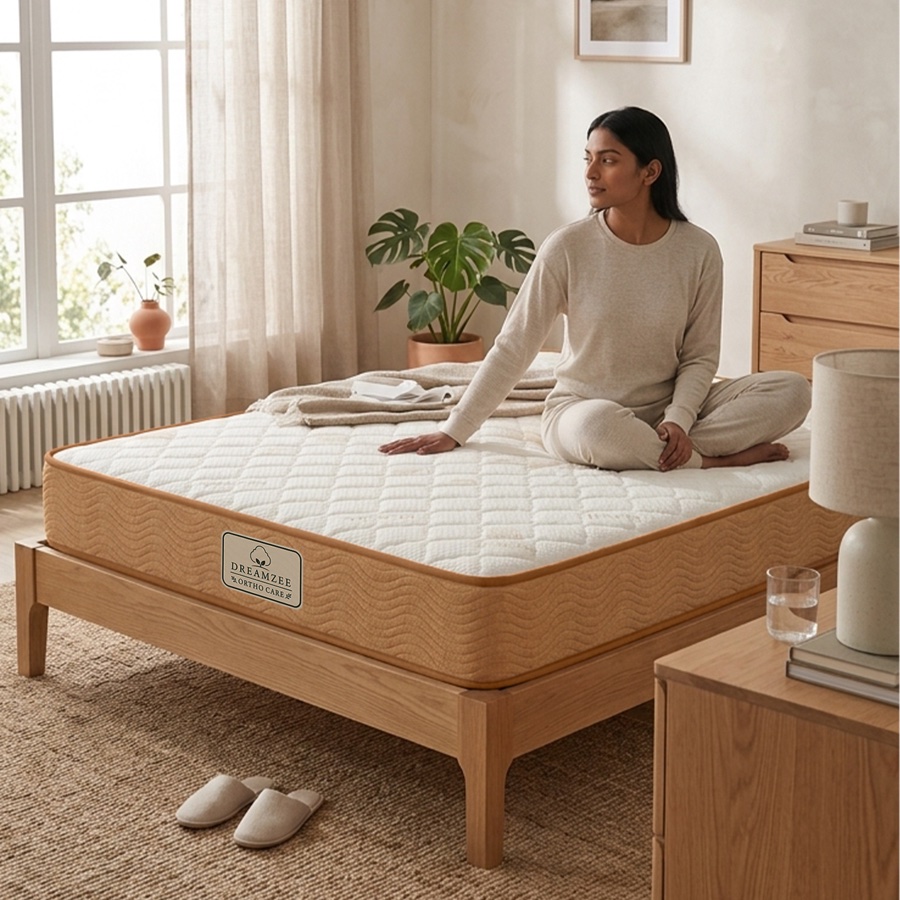
Layla Mattress Review (2026)

Jessica has spent 8+ years analyzing biomechanics, pressure relief mapping, and mattress ergonomics. She leads our independent sleep lab in Austin, TX, overseeing thermal, motion, and durability testing.
We independently purchase every mattress and evaluate it inside our Austin sleep lab across 4 key benchmarks: sensor pressure relief, thermal cooling, motion transfer, and long-term durability.
Few purchasing choices in sleep wellness carry as much anxiety as nailing the right firmness. Choose wrong, and you are stuck coordinating courier returns or waking up with lower back stiffness. The Layla Memory Foam Mattress addresses this problem by building two completely different comfort profiles into a single 10.5-inch flippable chassis. Earning a recurring spot on our guide to the best flippable mattress selections, it provides a plush Medium-Soft (4.5/10) on one surface and an assertive Firm (7.5/10) on the reverse.
Over four weeks at our Austin sleep lab, we put both sides of the Layla through extensive pressure mapping, thermal imaging, motion sensor tests, and perimeter edge evaluations. If you are debating an all-foam bed, our real-world data shows exactly where this copper-infused design thrives—and where its physical boundaries lie.
✓ What We Liked
- • Two distinct firmness profiles in one mattress eliminate firmness guesswork
- • Exceptional pressure relief on the soft side for sharp shoulder and hip joints
- • Copper-infused foams dissipate heat significantly better than standard memory foam
- • Nearly flawless motion dampening that isolates partner movement completely
- • Backed by a genuine lifetime warranty and risk-free 120-night home trial
✕ What Could Be Better
- • Perimeter edge support on the soft side compresses noticeably when sitting
- • All-foam build lacks the bouncy pushback active combination sleepers may prefer
- • Heavyweight back and stomach sleepers over 230 lbs may sink too deep on both sides
Construction and Dual-Sided Architecture
Inside its zippered, geometric-print cover, Layla stacks four specialized foam layers around a dense polyfoam center. The outer fabric blends polyester, rayon, viscose, and poly-Lycra, treated on both faces with Thermo-GEL cooling technology that activates as body temperature climbs.
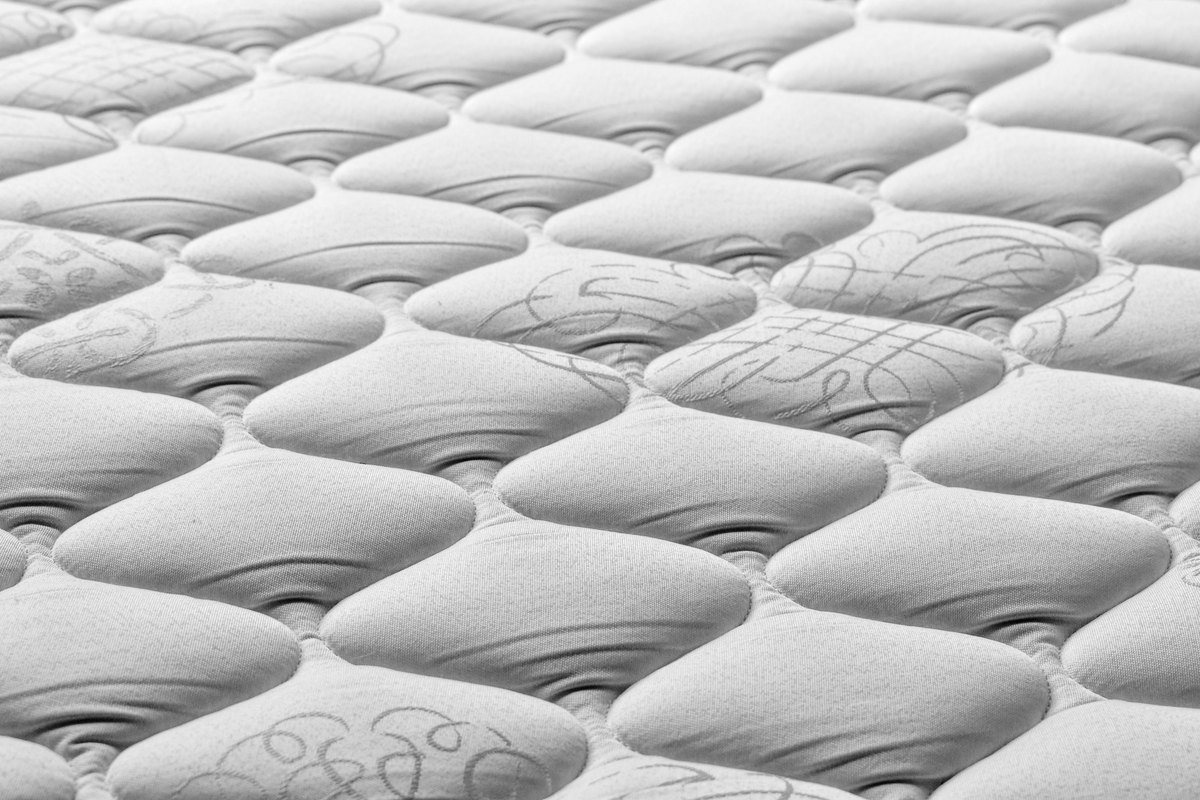
* Soft Side Comfort Layer (Top): A generous 3.0-inch layer of copper-gel infused memory foam (3.5 lb/cu.ft density, 12 lb ILD). This delivers classic, slow-melting contouring that hugs sensitive joints while utilizing copper particles to channel body heat away from the surface.
* Zoned Transition Foam: A 2.0-inch convoluted Max Airflow foam layer (1.65 lb density, 30 lb ILD). Engineered with Surface Modification Technology (SMT), this layer features cut channels beneath the shoulders and lower back to provide targeted ergonomic compliance and continuous airflow.
* Support Core: A 4.0-to-4.5-inch high-density polyurethane support base (1.5 lb density, 35 lb ILD) acting as the shared spine for both sleep surfaces.
* Firm Side Comfort Layer (Bottom): A leaner 1.0-inch layer of the same 3.5 lb copper-gel memory foam (12 lb ILD). Resting directly over the firm core, this layer cushions touchpoints without allowing deep sinkage.
Layla Specifications & Details
Pressure Relief and Sleeping Position Dynamics
Pressure mapping highlighted stark, functional differences between the two sides. We had our testing team alternate positions while our calibrated sensor mats logged pressure points under the shoulders, lumbar curve, and pelvis.
On the Soft Side (4.5/10), side sleepers experienced exceptional relief. If you read our clinical guide on side sleepers and shoulder numbness, you know that insufficient cushion depth pinches lateral nerves. Layla’s 3-inch comfort layer allowed our side testers' shoulders to submerge just deep enough to relieve joint pressure, registering an optimal 23 mmHg. Average-weight back sleepers also enjoyed deep lumbar cradling without hip sagging, ranking it among the top contenders in our best mattress for side sleepers roundup.
Pressure Relief Mapping
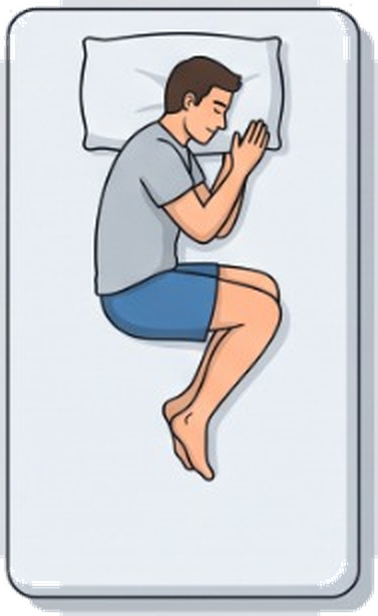
Testing the soft side on our sensor pad revealed an ultra-low 23 mmHg under the acromion process and 25 mmHg at the trochanter. The 3-inch copper foam layer absorbs angular pressure points effortlessly.
Flipping to the Firm Side (7.5/10) transforms the mattress dynamic. The 1.0-inch copper layer softens initial surface contact, but the rigid support core immediately arrests deeper downward travel. This side shines for back sleepers who prefer a flat, taut posture and stomach sleepers under 200 lbs. As noted in our analysis on why stomach sleepers need firmer support, preventing the pelvis from dipping into a hammock posture is non-negotiable for spinal alignment. On Layla's firm side, our stomach testers registered a clean 24 mmHg across the pelvic girdle with zero lumbar strain.
Thermal Regulation and Motion Isolation
Traditional memory foam often acts as an insulator, storing ambient body warmth. Layla counters this via its copper-gel infusion and convoluted SMT air channels. Copper is inherently conductive; under our FLIR thermal imaging cameras, the soft side heated from a baseline 68°F to 84.8°F under a sleeper, then dropped back within 2.5 degrees of ambient room temperature after four minutes of vacancy. While it cannot match the breezy airflow of open-coil builds in our best memory foam mattress comparisons, it noticeably out-cools plain viscoelastic foam.
Motion isolation is where Layla ranks among the elite, making it a standout in our evaluation of the best mattress for couples. When we dropped our 16-pound bowling ball from 24 inches to simulate a restless partner tossing, our accelerometer placed 12 inches away recorded a tiny 0.08G deflection. If your partner gets up frequently during the night, vibrations vanish into the viscoelastic matrix. For light sleepers, this is tranquil performance.
Edge Support and Ease of Movement
Because the Layla is an all-foam mattress without an ultra-firm perimeter foam encasement, edge performance varies between sides. On the soft side, sitting directly on the edge compressed the 10.5-inch mattress down by 3.8 inches. While lying down near the border felt stable enough, sitting to tie shoes causes noticeable slope. The firm side fared better, compressing only 2.9 inches under sitting pressure.
Responsiveness reflects classic memory foam behavior. On the firm side, rebound takes under a second. On the plush side, the deeper sink requires slightly more core effort to roll over. Sleepers wanting hyper-buoyant repositioning might explore our Purple vs Layla analysis or take our interactive Sleep Match Quiz to weigh coil-based alternatives.
Layla vs. Leading All-Foam Competitors
To help contextualize Layla’s capabilities, here is how its core metrics stack up against its closest market rivals: the Nectar Memory Foam and the original Casper.
| Feature | Layla Mattress | Nectar Memory Foam | Casper Original |
|---|---|---|---|
| Mattress Type | Dual-Sided All-Foam | Single-Sided All-Foam | Zoned All-Foam |
| Firmness Rating | Soft (4.5) & Firm (7.5) | Medium-Firm (6.5) | Medium (6.0) |
| Profile Height | 10.5 inches | 12.0 inches | 11.0 inches |
| Cooling Tech | Copper-Gel + Thermo-GEL | Gel-Infused Polyfoam | AirScape Perforated Foam |
| Trial Period | 120 Nights | 365 Nights | 100 Nights |
| Warranty | Lifetime | Lifetime | 10 Years |
| Detailed Breakdown | Nectar vs Layla | Nectar Review | Casper vs Layla |
Compared to Nectar, Layla offers a plush, slow-melting side that cradles the shoulders far better, plus a firm side that caters to flat back and stomach sleeping. Compared to Casper’s balanced, bouncy polyfoam, Layla leans heavier into therapeutic, moldable viscoelastic contouring.
Who Is This Mattress Best For?
✓ Highly Recommended For:
- • Dedicated side sleepers looking to alleviate joint friction and hip soreness
- • Shoppers unsure of their ideal firmness who want two profiles without exchanging
- • Couples sensitive to motion transfer who want undisturbed, quiet sleep
- • Budget-conscious buyers seeking premium copper foam under $1,000 on promo
✕ Consider Skipping If:
- • Strict stomach sleepers over 200 lbs who require rigid coil reinforcement
- • People who rely on ultra-stiff perimeter edges to get in and out of bed
- • Sleepers who dislike slow-responding, deep contouring memory foam hug
Trial, Warranty, and Value
Layla ships compressed in a standard box via FedEx Ground with zero delivery fees in the contiguous United States. You get a 120-night trial window, with a mandatory 30-night break-in clause so your body can adjust to the foam dynamics. If you decide it is not for you within that window, returns cost $0; Layla coordinates pickup or donation with local charities and refunds 100% of your purchase.
Original buyers are covered by a Lifetime Limited Warranty guarding against continuous indentations greater than 1.0 inch, foam splitting, and manufacturing flaws. Standard promotions routinely discount the Queen from its $1,099 MSRP down to roughly $949—often paired with free cooling pillows. For current seasonal discounts, browse our updated Mattress Deals & Coupons tracker.
Layla
Side sleepers seeking deep pressure relief and sleepers wanting two firmness options in one bed
Frequently Asked Questions
How heavy is the Layla mattress, and is it hard to flip?
A Queen-size Layla weighs approximately 69 pounds. Because it lacks rigid internal steel coils, it bends easily, making it simple for one or two adults to rotate and flip using the reinforced fabric handles.
How long does the Layla take to expand and off-gas?
After unboxing, Layla reaches roughly 90% of its full 10.5-inch profile within two hours, with full recovery within 24 to 48 hours. A mild "new foam" scent is present initially, but keeping the bedroom window cracked clears it completely in 24 hours.
Do I need a special box spring or foundation for Layla?
No. Layla works over rigid slatted platform beds (with slats spaced under 4 inches apart), solid box foundations, flat metal platforms, and motorized adjustable bases. Traditional wire box springs that sag under load should be avoided.
Jessica Moore, Certified Sleep Science Coach
Jessica has spent 8+ years analyzing biomechanics, pressure relief mapping, and mattress ergonomics. She leads our independent sleep lab in Austin, TX, overseeing thermal, motion, and durability testing.