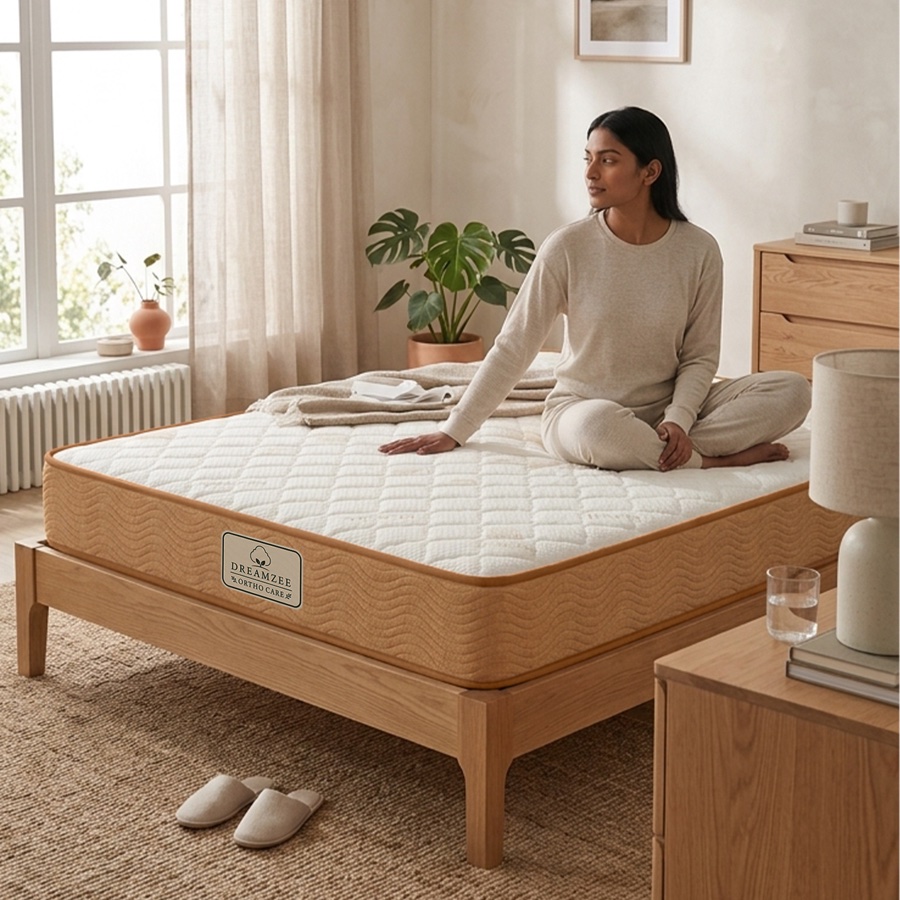
Key Takeaways
- Visible Sagging vs. Softening: Warranties require unweighted physical impressions of 0.75 to 1.5 inches; gradual foam softening without visible indentations is never covered.
- The Zero-Tolerance Stain Policy: Any visible liquid mark or biological stain instantly voids your structural coverage under federal sanitation standards.
- Foundation Pitfalls: Gaps between platform slats exceeding 3 to 4 inches (or lacking a center support beam touching the floor) cause over 50% of denied claims.
- Prorated Fine Print: A '20-year' warranty rarely means free replacement after year 10—you often pay 50% to 80% of retail price plus two-way transit fees.
Few marketing tools in the bedding industry are as widely misunderstood as the mattress warranty. When searching for the Best Mattress 2026 or evaluating the Best Mattress for Back Pain, buyers frequently treat a 10-year, 25-year, or "Forever" warranty as a guarantee of lasting comfort. In reality, a warranty is a legal contract designed specifically to protect the manufacturer from routine wear-and-tear claims, covering strictly narrow structural failures rather than your personal sleep satisfaction.
Over years of testing in our sleep lab, we have documented how materials naturally evolve. As detailed in our breakdown of Memory Foam vs. Hybrid Mattresses: Complete Sleep Lab Breakdown, comfort foams inevitably soften and lose hysteresis under repeated cyclic compression. Yet, when sleepers wake up with lumbar soreness—a scenario explored in our guide on Best Mattress Types for Lower Back Pain: What Sleep Lab Data Actually Shows—they discover their warranty claim is summarily rejected. Understanding the mechanical definitions, indentation thresholds, and void triggers in mattress fine print is essential before buying or filing a claim.
The Indentation Threshold: 0.75 Inches vs. 1.5 Inches
The central metric in any sagging claim is the visible, unweighted indentation depth. Manufacturers measure this using an absolute, objective standard: the mattress must display a permanent depression in the surface quilted layers when completely unoccupied.
Warranties typically fall into two threshold categories:
- The 0.75-Inch Standard (Favorable): Found on higher-end builds, like the Saatva Classic, natural latex models, and premium euro-tops. If the unweighted dip exceeds three-quarters of an inch, the manufacturer considers the internal spring or foam core structurally compromised.
- The 1.5-Inch Standard (Restrictive): Traditional innersprings and entry-level bed-in-a-box brands often demand a full 1.5-inch valley before authorizing a claim.
To put a 1.5-inch sag into clinical perspective, an unweighted 1.5-inch dip typically transforms into a 2.5- to 3-inch trough once a sleeper's pelvis rests on it. That magnitude of spinal distortion creates severe postural misalignment. Yet, if your bed has softened drastically, causing your lower back to bow while leaving only a 0.6-inch visual dip when you step out of bed, your claim will be denied.
The Silent Killers: Stains and Removed Law Labels
No matter how severe an internal coil collapse or foam rupture may be, two tiny oversights will nullify your warranty instantly:
* Fluid Stains and Moisture Penetration: Warranty agreements include strict sanitary exclusions. If an inspector or customer-service photo reveals a water ring, beverage spill, sweat discoloration, or biological stain, your claim is immediately voided. Under federal workplace safety regulations, mattress technicians cannot be compelled to inspect or transport unsanitary bedding. Even a light coffee droplet on the edge seam releases the brand from all contractual repair obligations. A waterproof mattress protector is not an optional accessory—it is your warranty's legal shield.
* The Missing Law Label: The white "Do Not Remove Under Penalty of Law" tag stitched to the head of the bed is legal identification for the consumer, not the retailer. It contains the model registry number, factory code, and exact fire-retardant compliance date. If you cut this tag off, brands have legal grounds to refuse service because they cannot authenticate the specific batch or production run.
Foundation Slat Rules: The #1 Source of Denied Claims
When a mattress sags, the failure frequently originates below the mattress rather than within it. Manufacturers mandate exact foundation specifications to ensure structural stability, particularly for higher-mass sleepers who review the Best Mattress for Heavy People.
If you place a modern hybrid or multi-layer foam mattress on a cheap wooden slatted base, you risk immediate claim invalidation:
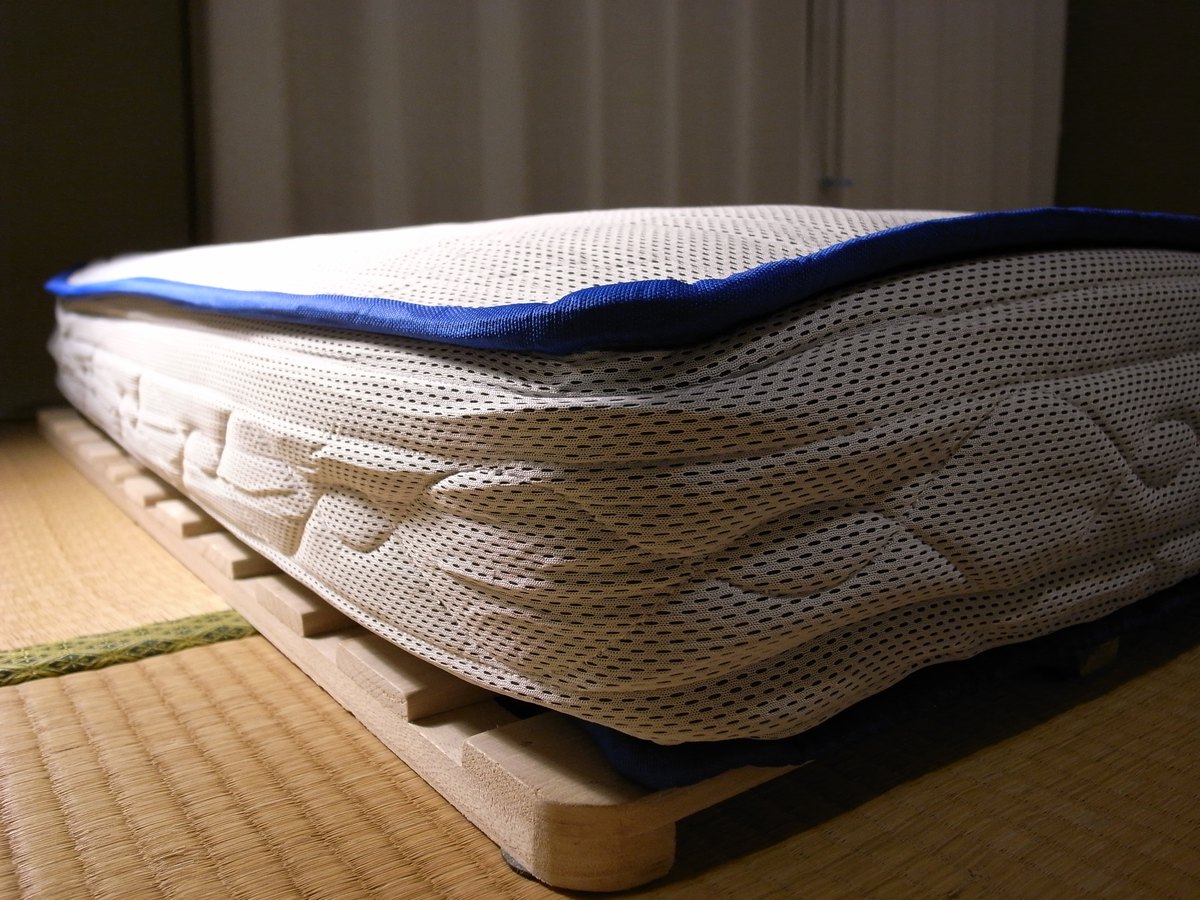
* Slat Spacing Limitations: Most modern warranties require platform bed slats to be spaced no more than 3 to 4 inches apart. If your slats are 4.5 inches apart, the foam core slowly extrudes between the gaps under body weight, crushing the internal layers.
* Center Support Requirements: Queen, King, and California King foundations must have a central support rail equipped with at least one leg (and often two to three) that makes direct, perpendicular contact with the floor. If a center rail bows downward or lacks floor contact, the bed sags into a central dip. The manufacturer will ask for photos of the base frame; if that center support is missing, the claim is rejected on the spot.
* The Old Box Spring Trap: Placing a modern hybrid like the WinkBeds Plus or a dense foam block on a 15-year-old flexible wire box spring will ruin the mattress and void coverage. Modern beds require rigid, non-yielding surfaces or heavy-duty bifold solid foundations.
| Warranty Factor | Ideal Policy Term | Standard / Average Term | High-Risk Clause |
|---|---|---|---|
| Sagging Depth | 0.75 inches | 1.0 inch | 1.5 inches |
| Max Slat Spacing | 4 inches | 3 inches | Over 3 inches voids warranty |
| Prorated Transition | Fully non-prorated (10 yrs) | Prorated after Year 5 | Prorated after Year 2 or 3 |
| Transit Costs | Free pickup & return | Sleeper pays one-way ($99) | Sleeper pays two-way freight |
| Stain Policy | Waterproof cover mandatory | Discoloration inspection | Zero-tolerance fluid clause |
Non-Prorated vs. Prorated: The Math of Years 11–20
Brands often market "20-Year" or "Lifetime" terms, such as those found on budget options like the Nectar Memory Foam or advanced designs like the Saatva Solaire. However, reading the division between non-prorated and prorated coverage reveals the true financial scope:
* Non-Prorated Period (Usually Years 1–10): If a manufacturing defect occurs, the company repairs or replaces the mattress at zero base cost. However, the owner is still frequently charged a handling fee ranging from $50 to $150 each way.
* Prorated Period (Years 11+): You do not receive a free bed. Instead, you are given a fractional credit toward buying a new unit, or you must pay an increasing percentage of the original retail price to repair it. By year 15 of a 20-year warranty, you might be required to pay 70% to 80% of current retail pricing, plus freight shipping charges. At that point, buying an entirely new mattress is cheaper than exercising your "warranty right."
Tested Mattress Lab Tip: To document an indentation for a claim, strip all sheets and pillows. Lay a straight piece of string taut across the mattress, secured with masking tape on both side bindings. Rest a rigid metal ruler vertically from the deepest point of the bare depression up to the taut string line. Do not let the ruler depress the fabric. Photograph this measurement at eye level with adequate lighting.
What Warranties Never Cover: Natural Softening
Mattress warranties protect against structural breakdown—such as broken pocket coils, cracked polyfoam base cores, or unraveled seams. They explicitly do not cover loss of firmness.
Over several years, comfort foams relax. If this gradual loss of resilience triggers Hip Pain From Your Mattress? How to Tell If Your Bed Is Too Soft or Too Firm, causes lower lumbar distress, or creates problems when Sleeping With Sciatica: Firmness, Leg Elevation & Mattress Support Mistakes, the warranty will not help unless there is a physical depression left behind. This is particularly problematic if you sleep prone, as covered in Why Stomach Sleepers Need Firmer Support (And What Happens to Your Lower Spine), because your lower back will arch long before the surface foam stays permanently indented.
Warranties also exclude partner movement disturbances (a common issue for people researching the Best Mattress for Couples), minor aesthetic stitching imperfections, and changes in personal comfort preferences. Treating the warranty as an insurance policy against normal aging will only lead to frustration.
Frequently Asked Questions
Can I file a warranty claim if my mattress softens without a visible dip?
No. Mattress warranties universally classify gradual foam softening, comfort loss, and material relaxation as normal wear and tear. Unless the mattress remains visibly depressed by at least 0.75 to 1.5 inches without any weight on it, the claim will be rejected.
Does using an adjustable bed base void my mattress warranty?
Only if the mattress is not rated for an adjustable base. Most modern hybrid and memory foam mattresses are adjustable-friendly, but traditional border-wire innerspring mattresses will suffer broken perimeter rods if bent, voiding your structural coverage immediately.
How does a manufacturer verify my bed frame slats?
When you file a sagging claim, brands require clear, wide-angle photographs of your support frame. You must remove the mattress and photograph the slats, the distance between them measured with a tape measure, and the center support legs touching the floor.

Jessica Moore, Certified Sleep Science Coach
Jessica has spent 8+ years analyzing biomechanics, pressure relief mapping, and mattress ergonomics. She leads our independent sleep lab in Austin, TX, overseeing thermal, motion, and durability testing.