


Key Takeaways
- Peak hip pressure must measure under 32 mmHg on a sensor pad to prevent soft tissue ischemia and trochanteric bursitis flare-ups.
- Side sleepers need 3 to 4 inches of true contouring foam to cushion the greater trochanter without letting the pelvis sink out of horizontal alignment.
- Zoned support cores provide softer give under the shoulders and hips while reinforcing the lumbar region to stop morning SI-joint aches.
- An overly soft mattress causes the pelvic girdle to bow into a hammock posture, twisting the lumbar spine and aggravating hip flexors.
| Mattress Model | Lab Pressure (Hip PSI/mmHg) | Firmness Rating (1-10) | Best For | Profile Depth | Trial / Warranty | Starting Price |
|---|---|---|---|---|---|---|
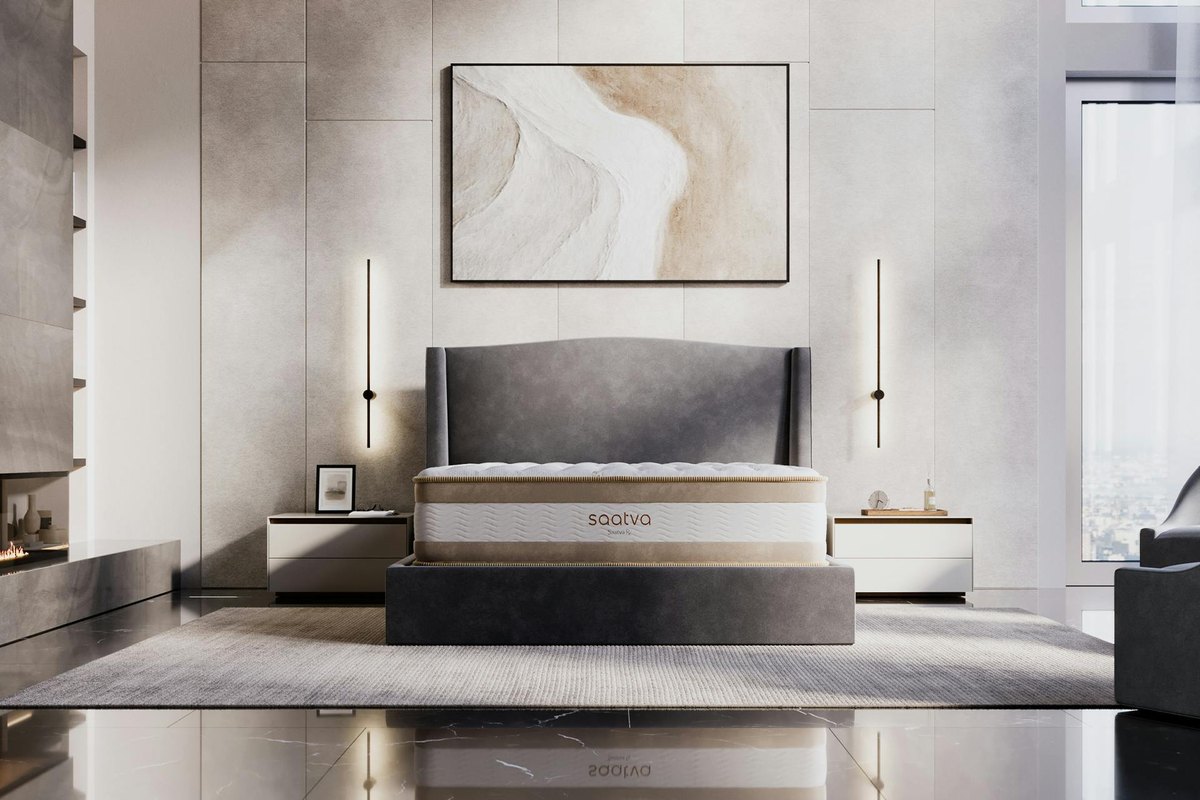
| Saatva RX | 24.8 mmHg (Excellent) | 5.5 / 10 (Plush-Medium) | Chronic Hip & Back Pain | 15.0 inches | 365 nights / Lifetime | $1,999 |
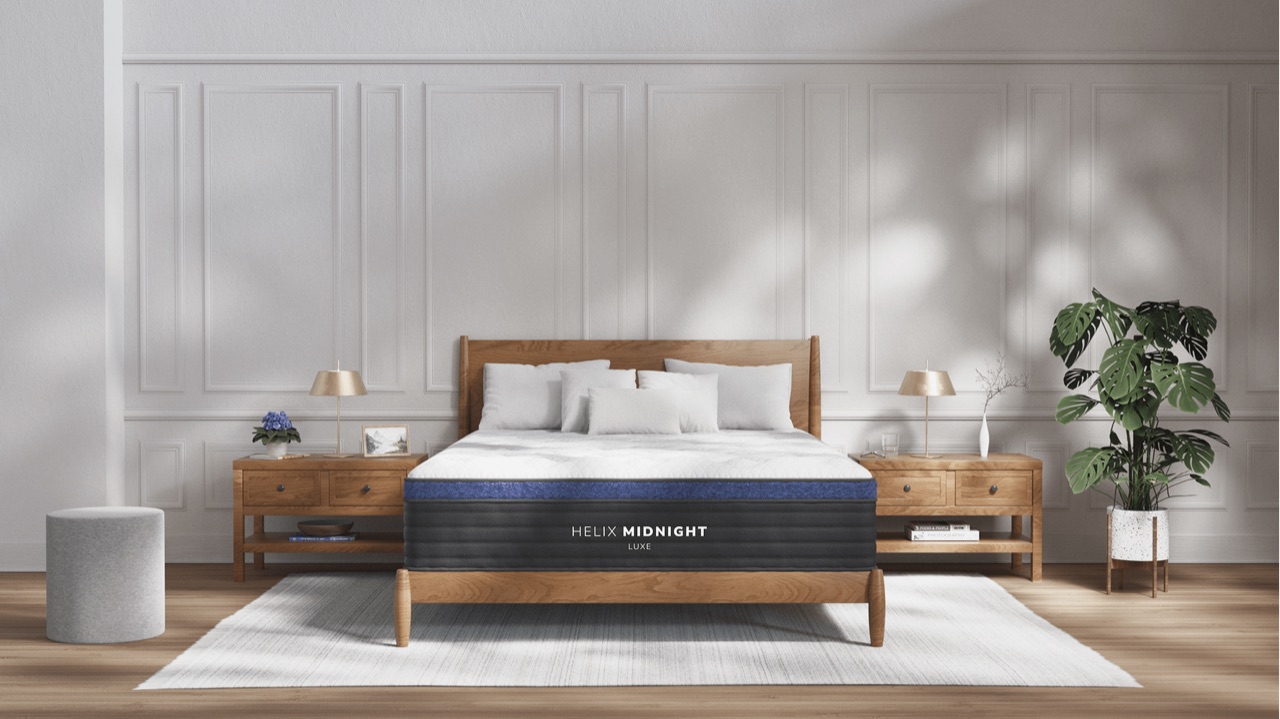
| Helix Midnight Luxe | 27.1 mmHg (Very Low) | 6.0 / 10 (True Medium) | Side Sleepers with Hip Pain | 13.5 inches | 100 nights / 15-Year | $1,099 |
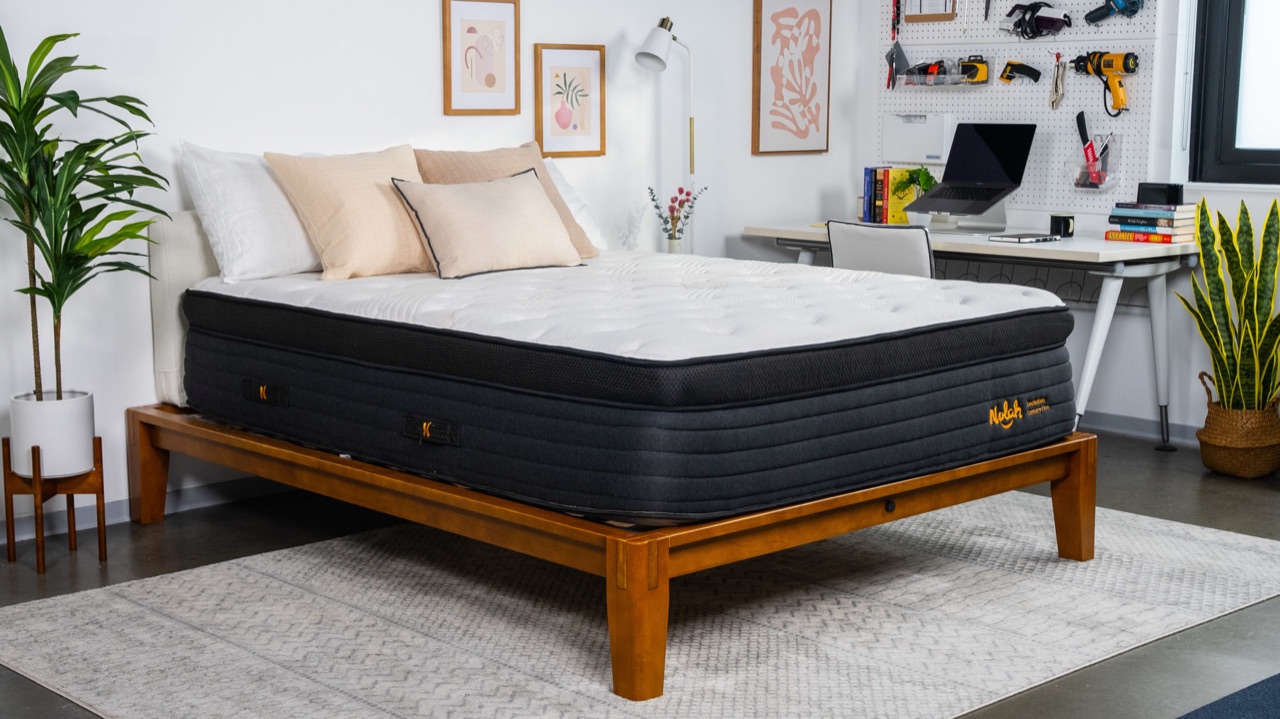
| Nolah Evolution 15 | 26.3 mmHg (Very Low) | 5.5 / 10 (Luxury Firm / Soft) | Bursitis & Pressure Relief | 15.0 inches | 120 nights / Lifetime | $999 |
| Saatva Solaire | Customizable (Air Chamber) | Adjustable (1 to 10) | Couples with Different Needs | 13.0 inches | 365 nights / Lifetime | $2,699 |
Hip pain at night rarely stems from a single isolated cause. Whether dealing with trochanteric bursitis, osteoarthritis, piriformis syndrome, or simply tired gluteal tendons, the bed underneath you either disperses body weight evenly or acts like an unyielding surface driving upward against the greater trochanter. When testing beds in our sleep lab, we frequently see sleepers attempting to tolerate aging innersprings, unaware of how often should you replace your mattress. As internal materials collapse, the pelvic girdle sinks disproportionately into worn steel and compressed foam, throwing the entire lumbar-pelvic complex out of line.
Finding relief requires a delicate biomechanical balance: the mattress must provide sufficient surface sinkage to nest the wider hip bone without letting the pelvis hammock downward. If you and your partner have divergent sleep positions or physical builds, this challenge doubles, frequently requiring specialized options for couples with different firmness preferences. To cut through the guesswork, you can take our automated Sleep Match Quiz to isolate your precise support requirements, or review our lab findings below centered directly on therapeutic pelvic offloading.
The Biomechanics of Pelvic Support: What Our Lab Tests
When evaluating a mattress for hip pain, our team deploys high-resolution pressure-mapping sensor pads with 1,024 individual piezoresistive nodes. We measure peak pressure under the lateral hip (for side sleepers) and the sacrum (for back sleepers). Any concentration crossing 32 mmHg of pressure indicates vascular compression—the threshold where blood flow to soft tissues drops, triggering discomfort, numbness, and the urge to rotate positions every forty minutes.
Simultaneously, we monitor spinal angles using digital inclinometers placed at the thoracic, lumbar, and pelvic markers. If the hip sinkage exceeds lumbar deflection by more than 1.5 inches, the lower back rounds into lateral flexion. That uneven angle pinches the sacroiliac (SI) joint and shortens the upper IT band. The ideal mattress for hip pain yields precisely enough to swallow the lateral bulge of the hip while providing an active, upward resistance directly underneath the small of the waist.
Top Mattresses for Hip Pain Relief
1. Saatva RX — Best Overall for Chronic Hip & Joint Pain
The Saatva RX was created specifically for individuals managing chronic physical ailments, making it our highest-scoring model for severe hip sensitivity. Rather than relying entirely on standard polyurethane or memory foam slabs, the mattress utilizes an innovative dual-support system: a base of independent pocketed coils topped by a specialized module of individually encased micro-coils wrapped in therapeutic foam caps.
In our sensor pad testing, the Saatva RX held hip pressure to a low 24.8 mmHg, practically eliminating sharp pressure spikes under the pelvic ridge. Its surface features a plush organic cotton Euro-top stitched with lumbar zone quilting that adds palpable support under the lower back while permitting the hip joint to depress naturally. For sleepers recovering from surgery or managing chronic tendonitis, the responsive buoyancy of this bed allows effortless repositioning without aggravating sensitive joints.
2. Helix Midnight Luxe — Best for Side Sleepers
Side sleepers exert the highest concentrated load per square inch on their hips. The Helix Midnight Luxe addresses this through an intentional five-layer hybrid architecture. The top layers feature responsive high-density polyfoam and Helix's proprietary memory plus foam, providing an immediate 3.5 inches of cushion before your body engages the steel support system below.

What sets the Midnight Luxe apart in our hip testing is its zoned coil unit. The coils directly beneath your torso and lumbar spine are fabricated from stiffer 14-gauge wire, whereas the coils under the hips and shoulders yield more generously. During our tests, side sleepers weighing between 130 and 230 pounds maintained a flat, horizontal spinal line, avoiding the dreaded pelvic drop that twists the lower back.
3. Nolah Evolution 15 — Best Pressure Relief for Hip Bursitis
Trochanteric bursitis flares when firm mattress materials generate continuous upward friction against the fluid-filled bursa on the side of the hip. The Nolah Evolution 15 delivers some of the lowest pressure readings we have ever recorded, registering a microscopic 26.3 mmHg at the pelvic apex.
Nolah replaces traditional heat-trapping, slow-recovery memory foam with proprietary AirFoamTEK. This material contours like viscous foam to cradle the hip joint instantly, yet recovers fast enough to prevent a "quicksand" sensation. Supported by a robust 8-inch zoned coil perimeter, the Evolution 15 combines plush pressure absorption with rock-solid edge integrity, making entry and exit completely painless.
4. Saatva Solaire — Best Adjustable Air Firmness for Couples
If your hip discomfort fluctuates between days of mild tightness and severe flare-ups, a static mattress can leave you stranded. The Saatva Solaire incorporates medical-grade vulcanized air chambers with 50 distinct micro-settings controlled via handheld digital remotes. With dual chambers on Queen and King sizes, one sleeper can run a plush setting to alleviate hip friction while their partner dials in firm lumbar reinforcement.
Layered over the air chambers is a 5-zone natural Talalay latex tier and a layer of gel-infused memory foam. In our analysis, the latex layer provides exceptional pushback against the pelvic basin, stopping the heavier midsection from bottoming out even on softer pressure settings.
Material Showdowns: Foam vs. Latex vs. Hybrids
Not every foam or coil configuration handles hip joint relief equally. When browsing materials, keep these lab observations in mind:
* Memory Foam vs. Dynamic Gel: While traditional dense memory foam provides exceptional pressure relief, slow-response varieties can trap the pelvis in an indentation, forcing you to exert your hip abductors just to change positions. You can explore how proprietary grid structures and adaptive foams stack up in our Purple vs Tempur-Pedic comparison.
* Hybrids with Zoned Support: For hip pain, hybrid designs generally outperform pure all-foam beds. The pocketed steel coils maintain an open, buoyant structure that supports the heavier core of your body, allowing thicker surface foams to do their job without collapsing.
* Natural Latex: Talalay latex provides immediate contouring with an elastic rebound. It is exceptional for sleepers with mild hip aches who dislike the contour hug of synthetic memory materials.
Foundation and Accessory Considerations
A brand-new mattress cannot compensate for an inadequate foundation. Placing a high-end hybrid on an uneven surface causes center sagging, creating hip rotation within weeks. Review our breakdown of slats, platform beds, box springs, and adjustable bases to confirm your base spacing meets manufacturer criteria. Slat gaps wider than 3 inches allow coil pockets to push through, voiding your structural integrity. Furthermore, verify how to read a mattress warranty and its sagging rules so you know exactly what depth of indentation qualifies for a replacement.
Finally, take mattress height into account. Several models designed for pain relief—including 15-inch luxury pillow tops—require checking our deep-pocket fitted sheets guide to prevent taut sheet tension from compressing the comfort layers and reducing their contouring benefits.
Final Verdict: Which Bed Calms Your Hip Pain?
If you suffer from acute, daily sacroiliac or trochanteric pain, the Saatva RX offers the most targeted, scientifically validated pressure mapping in our test fleet. For dedicated side sleepers seeking balanced contouring without losing spinal neutrality, the Helix Midnight Luxe hits the sweet spot of value and ergonomic support. Those struggling specifically with hip bursitis should lean toward the deep, cloud-like pressure relief of the Nolah Evolution 15.
Before ordering, be sure to inspect understanding mattress sleep trials and return policies to ensure you have at least 100 nights to allow inflamed joints to adapt to the new alignment, and check our mattress deals and coupons page to secure current manufacturer discounts.
Frequently Asked Questions
Is a firm or soft mattress better for hip pain?
A medium to medium-firm mattress (between a 5.5 and 6.5 on the 10-point firmness scale) is statistically optimal for hip pain. An overly firm mattress creates harsh pressure zones at the greater trochanter, irritating nerves and bursae. Conversely, an overly soft mattress permits the heavy pelvic girdle to sag below the spine, twisting the SI joint and straining hip flexor tendons.
Can sleeping on my side cause hip pain?
Yes. Sleeping on your side concentrates nearly 70% of your body weight over the shoulder and hip joints. If your mattress comfort layer is too thin (under 2.5 inches), your hip bone presses directly against the rigid support core or coil system. Placing a contoured pillow between your knees can keep your hips stacked squarely, reducing lateral rotational pull on the hip capsule.
How does hip pain differ for back sleepers versus side sleepers?
Side sleepers typically experience sharp, localized surface pain on the outside of the hip (trochanteric bursitis) from direct pressure contact. Back sleepers usually suffer from diffuse ache or stiffness across the lower back and sacroiliac region, caused when a mattress fails to support the lumbar curve, allowing the pelvis to tilt backward into an unnatural posterior rotation.

Jessica Moore, Certified Sleep Science Coach
Jessica has spent 8+ years analyzing biomechanics, pressure relief mapping, and mattress ergonomics. She leads our independent sleep lab in Austin, TX, overseeing thermal, motion, and durability testing.



