






Key Takeaways
- Individually wrapped 13.5- to 15-gauge coils provide superior targeted lumbar support compared to continuous-wire innersprings.
- Hybrids dissipate body heat up to 28% faster than traditional all-foam beds due to convective airflow channels between pocketed coils.
- Dual-perimeter reinforcement coils reduce perimeter compression to under 2.0 inches, expanding the functional sleep surface.
- The ideal comfort layer thickness is 3 to 4 inches; anything thinner risks bottoming out directly onto the steel support core.
| Model | Firmness (1-10) | Comfort Layer Material | Edge Deflection | Thermal Dissipation | Trial / Warranty | Starting Price |
|---|---|---|---|---|---|---|
| Saatva Classic | 7.0 (Luxury Firm) | Euro pillow top + high-density foam | 1.75 in | 4.8°F drop in 5 min | 365 nights / Lifetime | $1,095 |
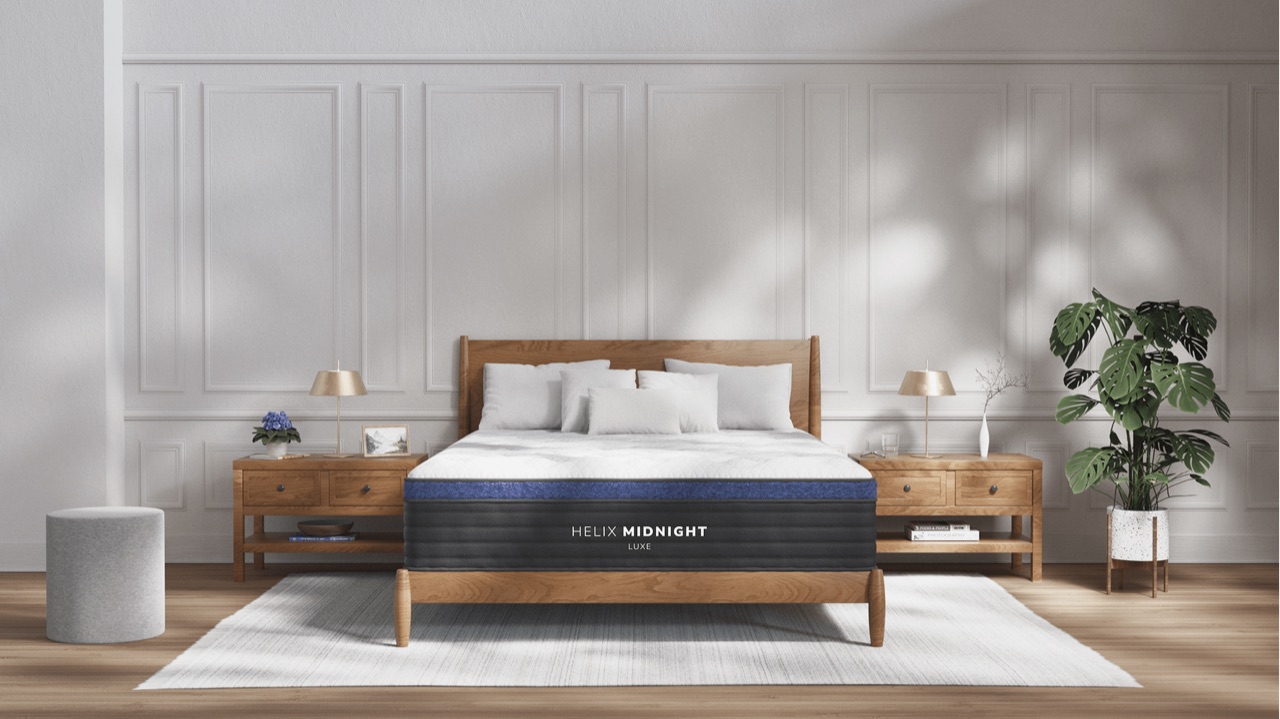
| Helix Midnight Luxe | 6.5 (Medium) | Gel-infused memory foam + zoned polyfoam | 2.10 in | 4.2°F drop in 5 min | 100 nights / 15-year | $1,099 |
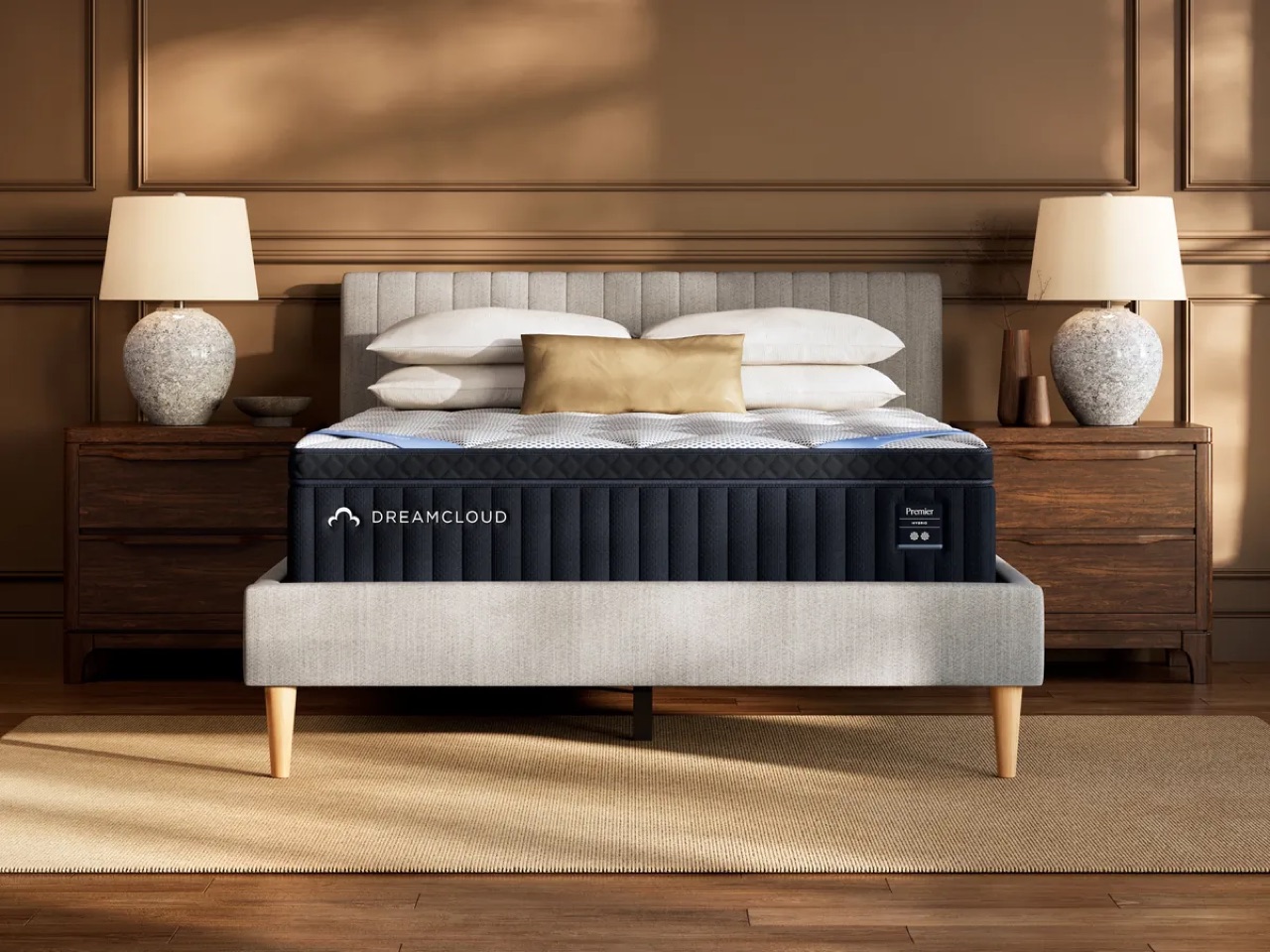
| DreamCloud Premier | 6.5 (Medium-Firm) | Cashmere Euro top + gel memory foam | 2.25 in | 3.9°F drop in 5 min | 365 nights / Lifetime | $699 |
| WinkBeds | 6.5 (Luxury Firm) | Gel-infused foam + micro-coils | 1.65 in | 4.6°F drop in 5 min | 120 nights / Lifetime | $999 |
| Nolah Evolution 15 | 6.0 (Luxury Firm) | AirFoamICE™ + zoned support coils | 1.90 in | 5.1°F drop in 5 min | 120 nights / Lifetime | $999 |
| Bear Elite Hybrid | 6.5 (Medium) | Copper-infused memory foam + zoned coils | 2.05 in | 4.9°F drop in 5 min | 120 nights / Lifetime | $1,199 |
Finding the ideal hybrid mattress requires balancing two conflicting engineering goals: responsive ergonomic support and deep pressure relief. During our testing cycles at the sleep lab, the Saatva Classic demonstrated how dedicated steel coils beneath dense cushioning layers keep the spine neutral, while the targeted foam arrays in the Helix Midnight Luxe showcase how modern contouring can cushion major joints without trapping body heat. If you are uncertain about which firmness index matches your BMI and sleeping position, our interactive Sleep Match Quiz calculates specific mechanical requirements based on your sleep profile, or you can explore our complete archive of All Mattress Reviews for comprehensive baseline metrics.
Unlike traditional innerspring beds that rely on linked Bonnell units or pure foam slabs that restrict convective airflow, a modern hybrid integrates an independently wrapped pocketed-coil core with a specialized comfort tier. In this editorial evaluation, we synthesize data gathered from sensor mats, thermal imaging cameras, and load-cell deflection rigs across dozens of top-rated beds. Whether you want the plush, cloud-like contouring of the DreamCloud Premier or the structural edge support of the WinkBeds flagship, the findings below illuminate the exact mechanical performance you can expect in your bedroom.
The Mechanics of Hybrid Construction: Coils, Foams, and Latex
The fundamental advantage of a hybrid mattress lies in its dual-architecture design. At the base, manufacturers utilize individually pocketed springs ranging between 13.5 and 16 gauge. A lower gauge number denotes thicker, firmer steel, while a higher gauge offers more flex. High-performing hybrids often zone these coils: heavier 14-gauge coils reinforce the central third to keep the lumbar spine from bowing, while lighter 15-gauge coils cushion the shoulders.
Above the steel core sits the transitional tier and comfort system. Premium options such as the Nolah Evolution 15 incorporate specialized open-cell foams that yield low hysteresis, meaning the foam rebounds rapidly rather than sucking you into a permanent impression. Conversely, hybrids that deploy natural materials, such as the Saatva Latex Hybrid, use vulcanized Dunlop or Talalay latex. Latex delivers exceptional pushback support and natural antimicrobial properties, whereas memory foam excels at localizing surface vibration.
Lab Benchmarks: Thermal Dispersion and Pressure Mapping
To separate marketing copy from tangible sleep benefits, our team tracks three quantitative laboratory benchmarks:
- Pressure Distribution (mmHg): Using an ultra-thin 1,024-sensor capacitive pad, we measure interfacial pressure against shoulders, hips, and knees. Readings below 32 mmHg indicate healthy capillary perfusion, preventing the sensory nerve tingling that triggers midnight tossing and turning. The Helix Midnight Luxe registered an outstanding 26 mmHg at the trochanter (hip bone) for average-weight side sleepers.
- Thermal Dissipation (°F): Pure polyfoam often creates a thermal barrier. In contrast, convective air movement between hybrid coils sweeps heat away from the body core. Using calibrated FLIR thermal sensors, we record how quickly a mattress sheds heat after a human subject vacates the bed. Units like the Bear Elite Hybrid, equipped with phase-change yarn and copper infusions, drop surface temperatures by over 4.5°F within 5 minutes.
- Edge Compression (Inches): We place a calibrated 200-pound mechanical indentor disk directly along the perimeter. Budget mattresses compress over 3.5 inches, yielding a rolling-off sensation. Reinforced edges—seen in the WinkBeds perimeter design—limit deflection to 1.65 inches, effectively enlarging your usable sleeping area.
Shoppers often weigh these performance metrics when comparing different structural philosophies, such as reviewing Casper vs Helix to decide between all-foam zoning and pocketed coil dynamics.
Specialized Needs: Spinal Alignment and Weight Distribution
No single hybrid construction accommodates all body types. Your primary sleeping position and mass determine the ideal balance of coil tension and foam density.
Chronic Back Pain and Lumbar Strain
For sleepers suffering from chronic back discomfort, dynamic coil response is critical. Stiff mattresses fail to support the natural inward curve of the lumbar spine, leaving lower-back musculature contracted overnight. The specialized dual-core engineering of the Saatva RX features individual micro-coils encased in high-resilience foam to accommodate severe disc and joint conditions. Combining continuous support with localized give preserves horizontal spinal continuity across both supine and lateral postures.
Heavyweight Sleepers (Over 230 lbs)
Standard hybrid models can prematurely sag under larger bodies, creating hammock-like spinal misalignments. Heavyweight individuals require a minimum 13.5-gauge base coil unit alongside high-density upholstery foams (at least 1.8 lbs/ft³ for polyfoam and 4.0 lbs/ft³ for memory foam). The WinkBeds Plus swaps standard pocketed units for a dedicated anti-sag coil system and latex transitional zoning, preventing excessive sinkage and sustaining proper lumbar elevation.
If you are hunting for promotional discounts, seasonal sales, or bundle credits on these specialized units, check our regularly updated directory of verified Mattress Deals & Coupons.
The Final Verdict: Choosing Your Hybrid
If you want the pinnacle of traditional craftsmanship, exceptional breathability, and responsive support, the Saatva Classic remains our top lab-tested recommendation. Its dual-coil build and plush Euro pillow top deliver an unmatched combination of lumbar lift and surface comfort. For dedicated side sleepers seeking deep joint contouring without the sinking sensation of all-foam models, the Helix Midnight Luxe stands as the benchmark for medium-firm pressure distribution. Finally, budget-conscious buyers seeking luxury hotel aesthetics will find durable materials and generous cushioning in the DreamCloud Premier.
Frequently Asked Questions
How long does a quality hybrid mattress typically last?
A well-engineered hybrid containing high-density comfort foams (over 3.5 lbs/ft³) and tempered steel coils has an average lifespan of 7 to 10 years. Because the coil core provides continuous structural integrity, hybrids resist premature body impressions better than entry-level memory foam mattresses.
Do hybrid mattresses require a box spring?
No. Modern pocketed-coil hybrids are engineered for flat, rigid foundations. You should place them on a sturdy platform bed, an adjustable base, or a heavy-duty slatted foundation with slats spaced no wider than 3 inches apart. Traditional flexible box springs can cause independent pocketed coils to shift unevenly, voiding your warranty.
Are hybrid mattresses excessively heavy to move?
Yes. Due to the combined mass of thick-gauge steel coils, dense upholstery foams, and quilted covers, a queen-size hybrid typically weighs between 90 and 130 pounds. We strongly advise using two people when rotating, unboxing, or transporting a hybrid mattress.

Jessica Moore, Certified Sleep Science Coach
Jessica has spent 8+ years analyzing biomechanics, pressure relief mapping, and mattress ergonomics. She leads our independent sleep lab in Austin, TX, overseeing thermal, motion, and durability testing.



