



Key Takeaways
- 100% natural Dunlop and Talalay latex naturally resist dust mites, mildew, and antimicrobial growth without chemical treatments.
- Certified organic textiles (GOLS, GOTS, and OEKO-TEX Standard 100) are essential to prevent respiratory irritation from volatile organic compounds (VOCs).
- Open-coil hybrids offer superior airflow over dense synthetic foams, venting body moisture before mold spores can colonize.
- Zippered hypoallergenic encasements and proper foundation airflow are vital components in maintaining long-term allergen defense.
| Model | Core Material | Firmness (1-10) | Hypoallergenic Certifications | Trial / Warranty | Starting Price |
|---|---|---|---|---|---|
| Saatva Latex Hybrid | Dunlop Latex + Pocket Coils | 6.5 / 10 | GOTS Organic, Eco-INSTITUT | 365 nights / Lifetime | $1,595 |
| Zenhaven | Dual-Sided Talalay Latex | 5 / 10 & 7 / 10 | OEKO-TEX Standard 100 | 365 nights / Lifetime | $1,445 |
| Avocado Green | Dunlop Latex + Ergonomic Coils | 7 / 10 | GOTS, GOLS, Made Safe | 365 nights / 25-Year | $1,119 |
| Saatva Solaire | Vulcanized Air Chambers + Latex | Adjustable (1-10) | OEKO-TEX, CertiPUR-US | 365 nights / Lifetime | $2,699 |
If you wake up with congested sinuses, itching eyes, or skin flare-ups, your mattress may be harboring millions of microscopic triggers. Over years of nightly use, conventional beds collect shed skin cells, ambient humidity, pet dander, and dust mites. For allergy sufferers and asthmatics, standard polyurethane foams can compound the problem by emitting volatile chemical odors or trapping internal moisture that fosters mildew. Investing in a clean, botanical bed like the Zenhaven or the certified organic Avocado Green creates a sterile barrier that disrupts this biological cycle.
Selecting a hypoallergenic mattress requires more than reading marketing slogans on a carton. It demands strict material vetting, third-party chemical testing, and an understanding of moisture dissipation. If your current sleep surface is over a decade old, you may already be experiencing the physical symptoms outlined in our guide on how often should you replace your mattress. Regular sanitation is helpful, and learning how to clean a mattress safely without voiding the warranty will extend its hygienic life, but older core materials that have degraded internally cannot be completely purged of micro-contaminants.
What Makes a Mattress Truly Hypoallergenic?
To earn our sleep lab’s hypoallergenic recommendation, a mattress must address three primary environmental vectors: particulate accumulation (dust mites and dead skin), fungal development (mildew and mold from sweat), and airborne chemical irritants (off-gassing chemicals and petrochemical flame barriers).
- Natural Latex Rubber: Harvested from Hevea brasiliensis trees, natural latex is inherently inhospitable to dust mites and resists microbial growth without synthetic additives. Unlike dense open-cell synthetic foams, latex does not provide the nesting environment dust mites require.
- Organic Wool Barriers: High-end beds replace toxic chemical fire retardants with thick layers of organic wool. Wool is naturally fire-resistant, manages moisture by absorbing vapor without feeling wet, and creates a dry microclimate where dust mites cannot reproduce.
- Independent Coil Systems: Mattresses utilizing pocketed innersprings encourage continuous airflow with every body shift. Stagnant humidity creates mold spore cultures inside all-foam cores; a ventilated coil base circulates air and flushes warmth and perspiration outward.
- Rigorous Third-Party Certifications: We verify independent lab ratings. Look for Global Organic Latex Standard (GOLS), Global Organic Textile Standard (GOTS), OEKO-TEX Standard 100, and GREENGUARD Gold. These confirm the absence of heavy metals, phthalates, formaldehyde, and harmful chemical emissions.
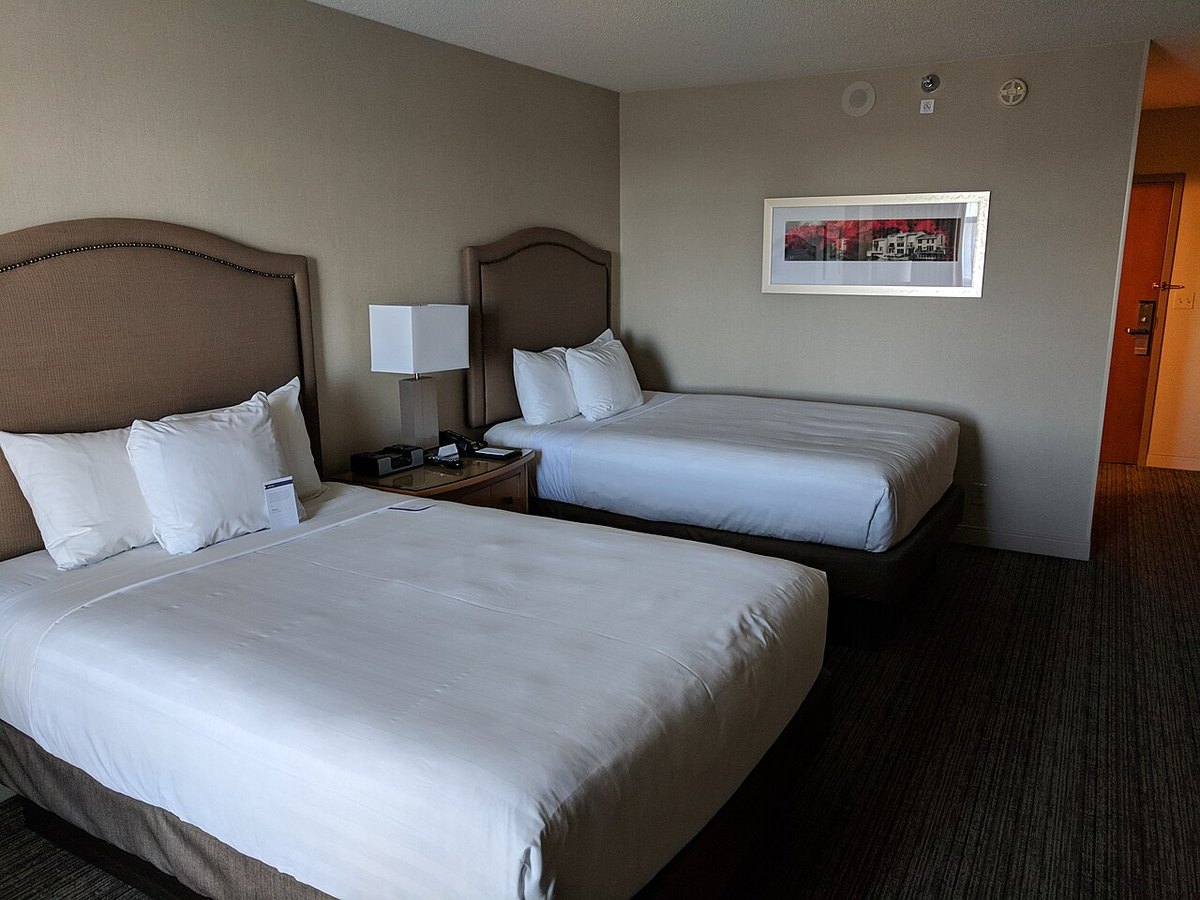
Top Sleep Lab Tested Hypoallergenic Mattresses
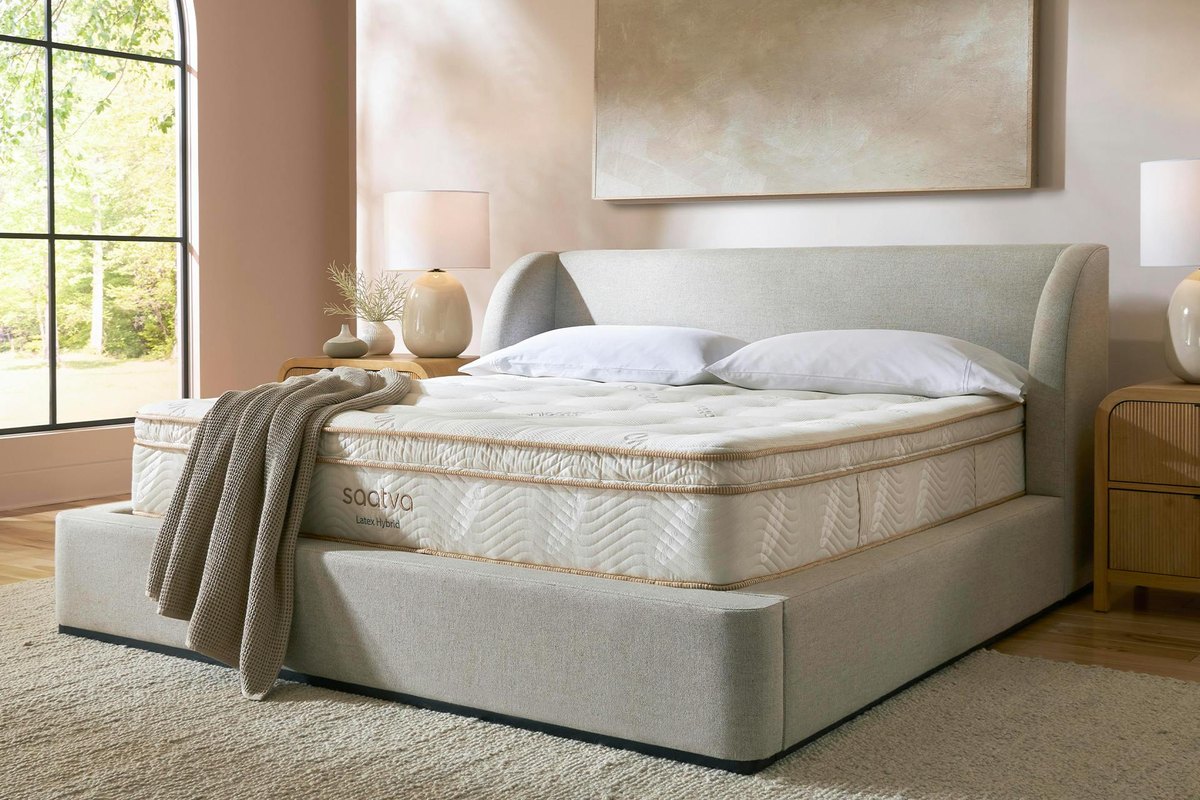
Saatva Latex Hybrid
Our top recommendation for allergy-sensitive sleepers is the Saatva Latex Hybrid. It pairs a 3-inch layer of natural Dunlop latex with a responsive, zoned pocket-coil system. In our pressure and airflow tests, the ventilated Dunlop latex registered high vapor dissipation rates, ensuring skin moisture does not linger inside the top comfort layers. The mattress is wrapped in an organic cotton cover treated with Guardin, an antimicrobial botanical finish that halts bacterial colonization on contact.
Zenhaven
For sleepers who prefer a quiet, zero-motion all-foam feel without petroleum-based polyurethane, the flippable Zenhaven uses four distinct zones of 100% natural Talalay latex. Talalay offers a lighter, buoyant contour that gently lifts pressure points while providing natural resistance against bedbugs, mildew, and dust mites. Because it ships unpackaged via white-glove delivery, you skip the respiratory irritants detailed in our guide on how long does a mattress in a box take to expand and off-gas.
Avocado Green
If certified purity is your top priority, the Avocado Green represents the gold standard in organic manufacturing. Featuring needle-tufted GOLS-certified organic Dunlop latex, GOTS-certified organic wool, and up to 1,414 individually tuned support coils, this bed eliminates all synthetic glues, chemical solvent flame barriers, and petrochemical foams. It sleeps notably cool, creating a dry sleeping environment that starves allergen colonies.
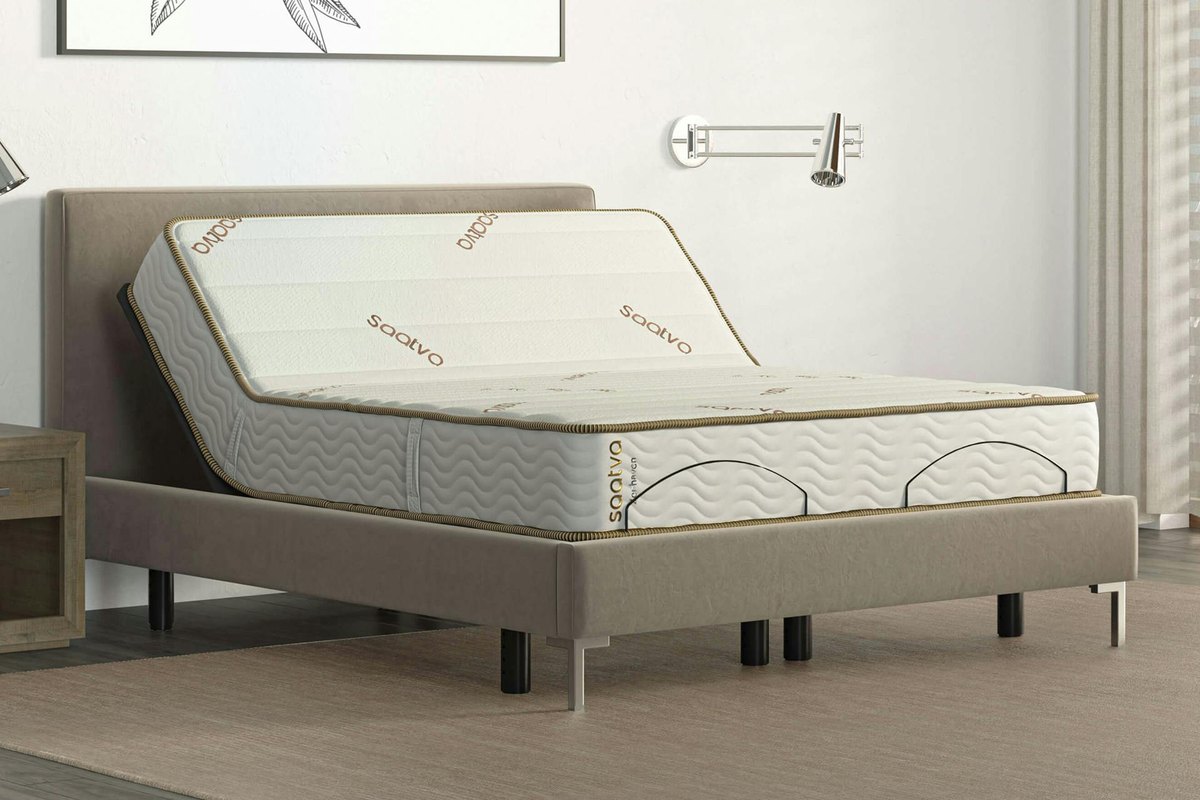
Saatva Solaire
For allergy sufferers who also require precise spinal alignment, the Saatva Solaire brings medical-grade engineering into the bedroom. Its vulcanized rubber air chambers eliminate the internal cavity settling common in polyfoam models, while a layer of continuous-pour Talalay latex cushions the surface. Because air pressure is fully adjustable, partners can customize their firmness independently.
Bedding and Foundation Synergy for Sensitive Sleepers
A hypoallergenic mattress is only the first line of defense. The surrounding hardware and sleep accessories must support airflow and hygiene:
* Fitted Sheet Depth: Botanical latex hybrids are often thick, measuring 12 to 15 inches tall. Ensure your organic cotton or linen sheets fit securely without bunching by consulting our deep-pocket fitted sheets guide.
* Foundation Selection: Hypoallergenic beds must breathe from below. Solid platforms can trap condensation underneath organic latex, leading to mildew growth. Check slats, platform beds, box springs & adjustable bases to choose a base that maintains at least 2.5 to 3 inches of open slatted ventilation.
* Maintenance & Rotation: Even dense botanical rubbers benefit from regular redistribution. Follow our brand-by-brand flip and rotate schedule to prevent deep body impressions where shedding skin cells naturally congregate.
* Warranty Fine Print: Make sure you use an approved, breathable waterproof protector during sleep trials. Stains, even from innocent spills, will strip your consumer protections, as highlighted in how to read a mattress warranty and understanding mattress sleep trials and return fees.
The Final Lab Verdict
Living with respiratory sensitivities or contact dermatitis means you cannot compromise on your sleep surface. The optimal hypoallergenic mattress pairs botanical Dunlop or Talalay latex with certified organic wool and breathable pocketed coils. For the most balanced contouring support and rigorous anti-allergen design, the Saatva Latex Hybrid remains our sleep lab's top pick, while the completely foam-free, dual-sided Zenhaven stands out for those seeking pure natural rubber simplicity.
Frequently Asked Questions
Can people with latex allergies sleep on a natural latex mattress?
In the vast majority of cases, yes. Most contact latex allergies are triggered by proteins found in dipped latex products (like surgical gloves). Mattress latex undergoes an extensive multi-stage washing process that removes the water-soluble allergy-causing proteins. Furthermore, the latex core is encapsulated beneath layers of wool and cotton, so your skin never touches the raw rubber. However, consult your allergist if you have severe Type I systemic latex sensitivity.
Is memory foam hypoallergenic?
Synthetic memory foam is resistant to dust mites simply because it is an inorganic, petroleum-based material that does not provide sustenance for them. However, synthetic foams frequently release volatile organic compounds (VOCs) that can irritate sensitive bronchial tubes and trigger contact rashes. If you choose memory foam, demand CertiPUR-US and GREENGUARD Gold certifications, and let the mattress air out completely before use.
How do I protect my hypoallergenic mattress without ruining its breathability?
Avoid cheap vinyl or low-grade polyethylene encasements, which trap sweat and cause excessive heat buildup. Instead, invest in an organic cotton protector lined with a breathable, microscopic polyurethane membrane. This barrier blocks liquids, dander, and dust mites while allowing water vapor molecules to escape freely.

Jessica Moore, Certified Sleep Science Coach
Jessica has spent 8+ years analyzing biomechanics, pressure relief mapping, and mattress ergonomics. She leads our independent sleep lab in Austin, TX, overseeing thermal, motion, and durability testing.