



Key Takeaways
- Growing children require a medium to medium-firm feel (6.5 to 7.5 on our 10-point scale) to support bone development and prevent hip sagging.
- Certified non-toxic materials (GOLS, GOTS, and CertiPUR-US) prevent respiratory irritation during critical nighttime cellular repair.
- Perimeter rail integrity is paramount for bunk beds and active children who use bed perimeters for reading and play.
- Flippable or dual-sided mattresses offer superior long-term value by adapting as a child's body weight shifts from toddlerhood to the teen years.
| Mattress Model | Type | Lab Firmness (1-10) | Edge Compression (in) | Chemical Certifications | Twin Base Price |
|---|---|---|---|---|---|
| Avocado Green | Latex Hybrid | 7.0 (Gentle Firm) | 2.8" | GOTS Organic, GOLS Latex | $1,119 |
| Saatva Classic | Dual-Coil Innerspring | 7.5 (Luxury Firm) | 2.3" | CertiPUR-US | $1,095 |
| Zenhaven | Flippable Natural Latex | 5.0 / 7.0 (Dual-Sided) | 3.1" | OEKO-TEX Standard 100 | $1,445 |
| Nectar Memory Foam | All-Foam | 6.5 (Medium-Firm) | 3.7" | CertiPUR-US | $349 |
A child's mattress is not merely a downscaled adult bed. Between ages three and eighteen, pediatric spinal curves develop rapidly, requiring precise upward resistance rather than the deep, enveloping sinkage often prized by fully grown adults. Budget-conscious parents asking Can You Buy a Great Mattress Under $1,000? Where Brands Cut Costs often discover that lower-tier youth beds cut corners where kids need protection most: structural foam density and non-toxic materials. When assessing How Often Should You Replace Your Mattress? 7 Signs It's Done, pediatric beds frequently age out faster due to frame degradation and fluid exposure.
Children inhale more air per pound of body weight than adults during deep REM stages. Placing a newly unboxed bed straight into a toddler’s room without checking How Long Does a Mattress in a Box Take to Expand? (Plus Off-Gassing Tips) can introduce volatile organic compounds (VOCs) to developing lungs. Our testing prioritizes low-emission construction, natural latex options like the Avocado Green, resilient support profiles, and reinforced edge rails engineered to endure active childhood bedrooms.
Pediatric Biomechanics: What Our Testing Lab Measures
To identify which beds best foster growing bodies, we evaluated models across three specific physical parameters:
- Spinal Deflection Under Low-Load Weight: Standard mattress reviews test using 150- to 230-pound human weights. For pediatric testing, we deploy 40- to 75-pound articulated mannequins. We record whether the lumbar region maintains a neutral horizontal plane without excessive dipping at the pelvic cradle.
- VOC Clearance and Off-Gassing Decay: We seal mattresses inside an environmental chamber for 72 hours, tracking total volatile organic compound (TVOC) levels to verify rapid dissipation before a child sleeps on the core.
- Perimeter Collapse Dynamics: Active kids sit on the edge to put on shoes, read, or clamber into bunk beds. We apply vertical load blocks along the outer 4 inches of the mattress to quantify border wall deflection.

Top Mattress Recommendations for Children
1. Avocado Green: Best Organic and Chemical-Free Build
For parents prioritizing pure, non-toxic materials, the Avocado Green is the benchmark. Constructed using GOLS-certified organic Dunlop latex, GOTS-certified organic cotton, and needle-punched wool, it contains zero synthetic foams or chemical flame retardants. In our lab, the Avocado registered a true 7.0/10 firmness. Its pocketed coil array provides resilient push-back, ensuring a 50-pound child does not sag out of alignment. The natural thermal conductivity of wool and open-cell latex also ensures child temperature regulation, which is critical since kids generate substantial body heat during non-REM delta sleep.
2. Saatva Classic: Best Innerspring for Long-Term Growth
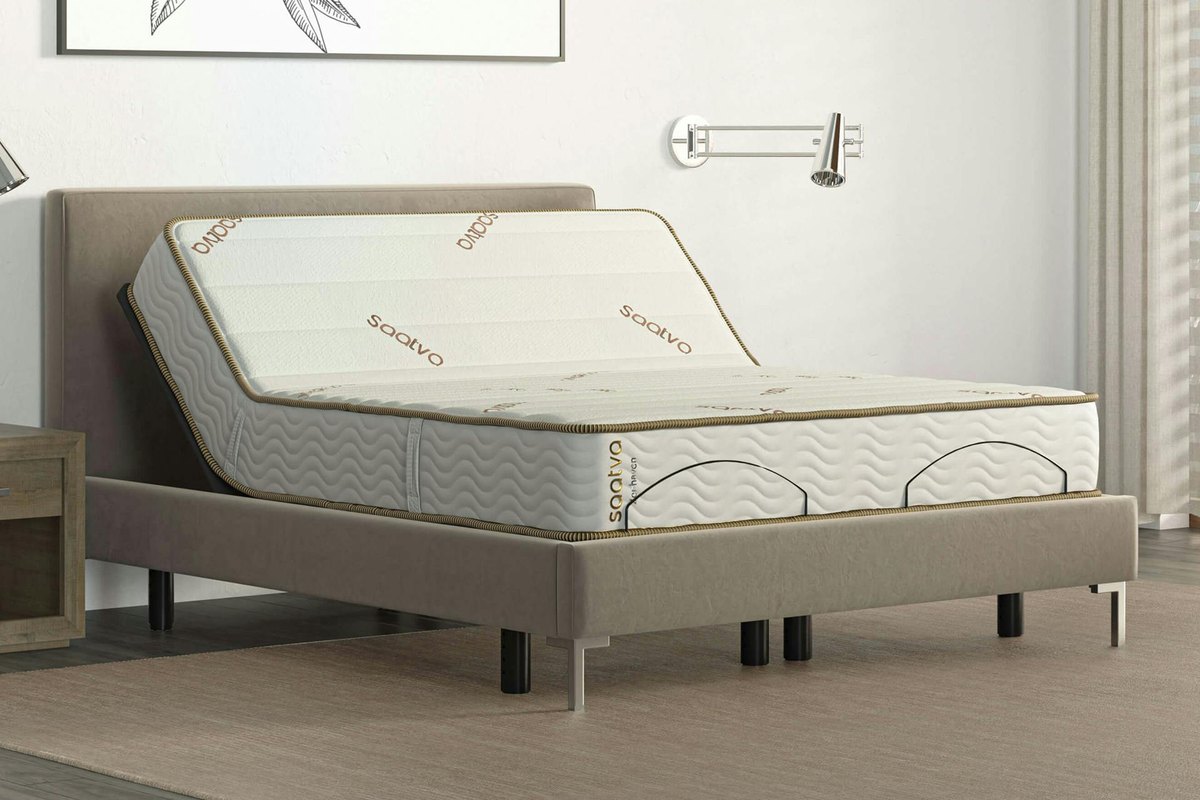
The Saatva Classic uses a dual-coil core: high-gauge tempered steel support coils at the base, topped with individually wrapped comfort coils and an active wire center zone. Rated at 7.5/10 in its Luxury Firm configuration, this bed offers the sturdiest edge support in our database, yielding only 2.3 inches of compression under edge load. It is an exceptional foundation for single platform beds or trundles. Because the Saatva arrives fully expanded without vacuum packaging, it avoids the typical 24- to 48-hour chemical dissipation period common to compressed youth mattresses.
3. Zenhaven: Best Flippable Natural Latex
Children change radically as they mature. The flippable Zenhaven addresses this trajectory through a dual-sided Talalay latex build. One side rates as a supportive 7.0/10 (ideal for ages 3 to 9 who require firm skeletal staging), while the reverse yields a softer 5.0/10 (suited for pre-teens whose shoulder and pelvic joints demand deeper pressure mitigation). While latex requires a higher initial investment, its natural resistance to dust mites and antimicrobial resilience ensures exceptional longevity.
4. Nectar Memory Foam: Best Budget Transition Mattress
For families needing an accessible, durable transition out of the crib, the Nectar Memory Foam presents dependable density at an entry-level price point. Though memory foam can trap warmth, Nectar's dense base polyfoam passed our spinal alignment test for children under 80 pounds, preventing hammock-style spinal curvature. Keep in mind that lighter kids will stay higher on the surface rather than sinking into the contouring gel layer.
Bedding Upkeep, Foundations, and Hygiene Protocols
Maintaining a youth mattress requires proactive care against moisture, structural sag, and dust mites. We recommend reviewing How to Clean a Mattress Safely Without Voiding the Warranty or Soaking Foam immediately after purchase. Enzyme-based spot cleaners should be applied with minimal liquid; saturating internal polyurethane or latex cores promotes mildew growth that permanently invalidates coverage.
Foundation support is equally critical. Always inspect your child's bed frame using our guide on Slats, Platform Beds, Box Springs & Adjustable Bases: What Your Mattress Needs. Slats spaced wider than 3 inches apart allow mattress coils or foam slabs to push through, causing premature spinal sagging. If dressing a thicker youth mattress, consult our Deep-Pocket Fitted Sheets Guide: Matching Sheet Depth to 12"–16" Mattresses to prevent sheet pop-off during overnight tossing.
Before finalizing an order, read How to Read a Mattress Warranty (And What Actually Voids Your Coverage). Most brand policies mandate an impermeable waterproof protector; a single liquid stain from a nighttime accident can void a 10-year defect warranty outright. To ensure even wear as your child grows, set a recurring calendar alert based on our Should You Flip or Rotate Your Mattress? Brand-by-Brand Maintenance Schedule. For additional seasonal savings, track brand promotions on our Mattress Deals & Coupons tracker.
The Final Verdict
For most children, the optimal mattress lands firmly between a 6.5 and 7.5 on the firmness scale, providing buoyant upward resistance that maintains orthopedic alignment. If your budget allows, the organic construction and durable support of the Avocado Green provides unmatched purity and resilience throughout childhood. For an innerspring design with reinforced perimeter walls, the Saatva Classic delivers laboratory-proven support. Review trial terms via our guide to Understanding Mattress Sleep Trials: Break-In Periods & Hidden Return Fees to ensure you have ample time to evaluate how your child adapts to their new bed.
Frequently Asked Questions
What firmness is safest for a child transitioning from a crib?
Toddlers and young children transitioning from a crib need a medium-firm to firm mattress, typically between 6.5 and 7.5 out of 10. Soft mattresses allow excessive pelvic sinkage, which can distort developing posture and increase spinal fatigue.
Can a child use an adult memory foam mattress?
Yes, provided the foam is sufficiently high in density and firm enough to prevent the child from sinking deeply into the core. Very plush adult memory foam beds should be avoided, as lightweight children do not compress the foam enough to trigger pressure relief, or conversely, may sink into soft layers that restrict nocturnal mobility.
What profile height is best for bunk beds?
Bunk bed mattresses must not exceed 6 to 8 inches in overall thickness. Safety standards require at least 5 inches of clearance between the top surface of the mattress and the top of the bunk bed guardrail to prevent rolling hazards.

Jessica Moore, Certified Sleep Science Coach
Jessica has spent 8+ years analyzing biomechanics, pressure relief mapping, and mattress ergonomics. She leads our independent sleep lab in Austin, TX, overseeing thermal, motion, and durability testing.



