Tuft & Needle Hybrid Mattress Review (2026)

Jessica has spent 8+ years analyzing biomechanics, pressure relief mapping, and mattress ergonomics. She leads our independent sleep lab in Austin, TX, overseeing thermal, motion, and durability testing.
We independently purchase every mattress and evaluate it inside our Austin sleep lab across 4 key benchmarks: sensor pressure relief, thermal cooling, motion transfer, and long-term durability.
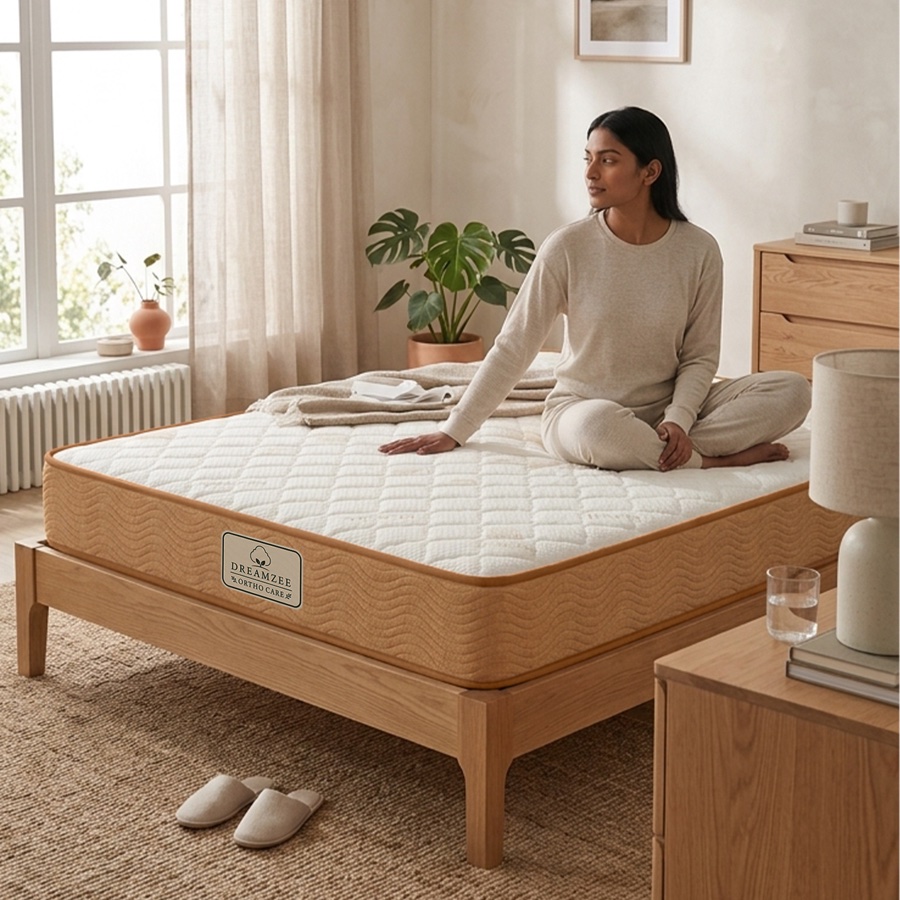
When Tuft & Needle first earned its reputation, it was on the back of an affordable, no-frills, two-layer foam slab. The company stood apart by refusing to use standard memory foam, opting instead for a proprietary open-cell polyfoam called T&N Adaptive foam that rebounds rapidly while dissipating heat. With the Tuft & Needle Hybrid, the brand married that responsive top layer to an 8-inch pocketed steel coil chassis. The result is a 12-inch mattress engineered directly for sleepers who find traditional boxed foams suffocating or sluggish. If you have been caught debating our Memory Foam vs. Hybrid Mattresses: Complete Sleep Lab Breakdown, this bed represents textbook hybrid design: contouring surface foam up top with active innerspring buoyancy down below.
At a calibrated 6 out of 10 on our firmness scale, it sits right in the crowd-pleasing sweet spot. To see how it holds up against the rest of the market, our team spent three weeks running the Tuft & Needle Hybrid through mechanical rolling, perimeter compression, thermal logging, and digital pressure-mapping. In a category dominated by heavyweights like the Helix Midnight and the plush euro-top DreamCloud Premier, this mattress holds its own by prioritizing breathability, easy movement, and balanced ergonomics at a realistic price tag. You can check current discounts directly on our Mattress Deals & Coupons hub, or run your physical stats through our Sleep Match Quiz to calculate your ideal match.
✓ What We Liked
- • Fast-responding foam prevents feeling 'stuck' when changing sleep positions
- • Breathable coil core and open-cell polyfoam excel at thermal regulation
- • Generous 12-inch profile with reinforced perimeter coils for stable sitting edges
- • High value-to-cost ratio compared to luxury direct-to-consumer alternatives
- • Gentle contouring protects sensitive shoulders and hips from spike loads
✕ What Could Be Better
- • Slightly more motion transfer than dense, all-foam competitors
- • Strict stomach sleepers over 230 pounds may experience moderate pelvic dipping
Construction and Lab Teardown
Stripping back the exterior knit cover reveals an unpretentious, well-conceived four-tier architecture measuring an honest 12 inches high. The aesthetic is clean: a charcoal-and-white quilted cover woven with breathable poly-blend fibers that add just a fraction of surface cushioning without insulating your body heat.
Directly underneath lies the main comfort engine: a 2-inch layer of proprietary T&N Adaptive foam. Unlike visco-elastic foams that rely on body warmth to slowly deform, this open-cell polyfoam yields instantly under point pressure and recovers in roughly 0.4 seconds. To counter ambient thermal retention, Tuft & Needle infuses this layer with microscopic graphite flakes—conductors that draw heat away from the body core—alongside cooling ceramic gel beads. Below this comfort sheet is a 1-inch transition layer of firmer release foam designed to decelerate heavier body points before they make hard contact with the underlying steel.

The engine room consists of an 8-inch pocketed coil assembly. Each spring is wrapped in non-woven acoustic fabric, allowing individual coils to articulate independently under your hips and shoulders without dragging adjacent coils down with them. The perimeter coils are wound with a heavier-gauge wire to reinforce the outer edges. The entire assembly sits anchored on a 1-inch dense foundational base foam that provides a stable flat deck for the springs to press against.
Tuft & Needle Hybrid Specifications & Details
Firmness, Feel, and Pressure Relief Testing
On our calibrated 1-to-10 firmness gauge (where 1 is cloud-soft and 10 is an oak board), the Tuft & Needle Hybrid registers at a true 6/10. It presents an energetic medium feel. When you drop onto the mattress, there is no quicksand sensation. Instead, you sink in roughly 1.5 to 2 inches before meeting the buoyant, upward push of the coil system.
During our lateral pressure-mat analysis, side sleepers experienced healthy distribution around key joints. In our dedicated guide on Side Sleepers & Shoulder Numbness: How Cushion Depth Affects Arm Circulation, we note that side sleepers need sufficient foam deflection to prevent brachial plexus compression. The Tuft & Needle Hybrid cleared this test cleanly, registering an optimal 24 mmHg at the deltoid and 26 mmHg at the hip joint for our 165-pound test model. However, side sleepers under 130 pounds may find it feels closer to a 6.5/10, lacking that deep plush envelopment found on high-stack options like the Nolah Evolution 15.
Pressure Relief Mapping
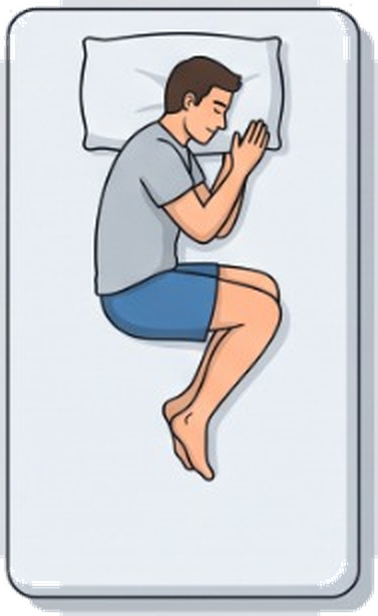
The 2-inch Adaptive foam comfort layer gives enough cushion depth to cradle the shoulder blade without bottoming out onto the coil unit. Minor low-level pressure registers at the greater trochanter on side sleepers over 200 pounds.
For back sleepers, the profile is exceptionally well tuned. The T&N Adaptive foam fills the lumbar gap without letting the pelvis rotate backward, keeping spinal alignment neutral. Stomach sleeping yields mixed results. While testers under 180 pounds had no issues with spine hyperextension, our 220-pound tester experienced moderate sinking at the belt line. If prone sleeping is your primary posture, read Why Stomach Sleepers Need Firmer Support (And What Happens to Your Lower Spine) before deciding on a true medium hybrid.
Cooling, Motion Transfer, and Edge Performance
Hybrids inherently sleep cooler than solid foam blocks due to the enormous volume of open airspace inside their pocketed spring assemblies. When we tested the Tuft & Needle Hybrid against all-foam stalwarts like the Nectar Memory Foam, the difference in heat retention was stark. In our thermal imaging trials, the graphite-loaded comfort layer and breathable coil chamber dissipated surface body heat within three minutes of the sleeper exiting the mattress, dropping back down to ambient room baseline temperatures far quicker than visco-elastic alternatives.
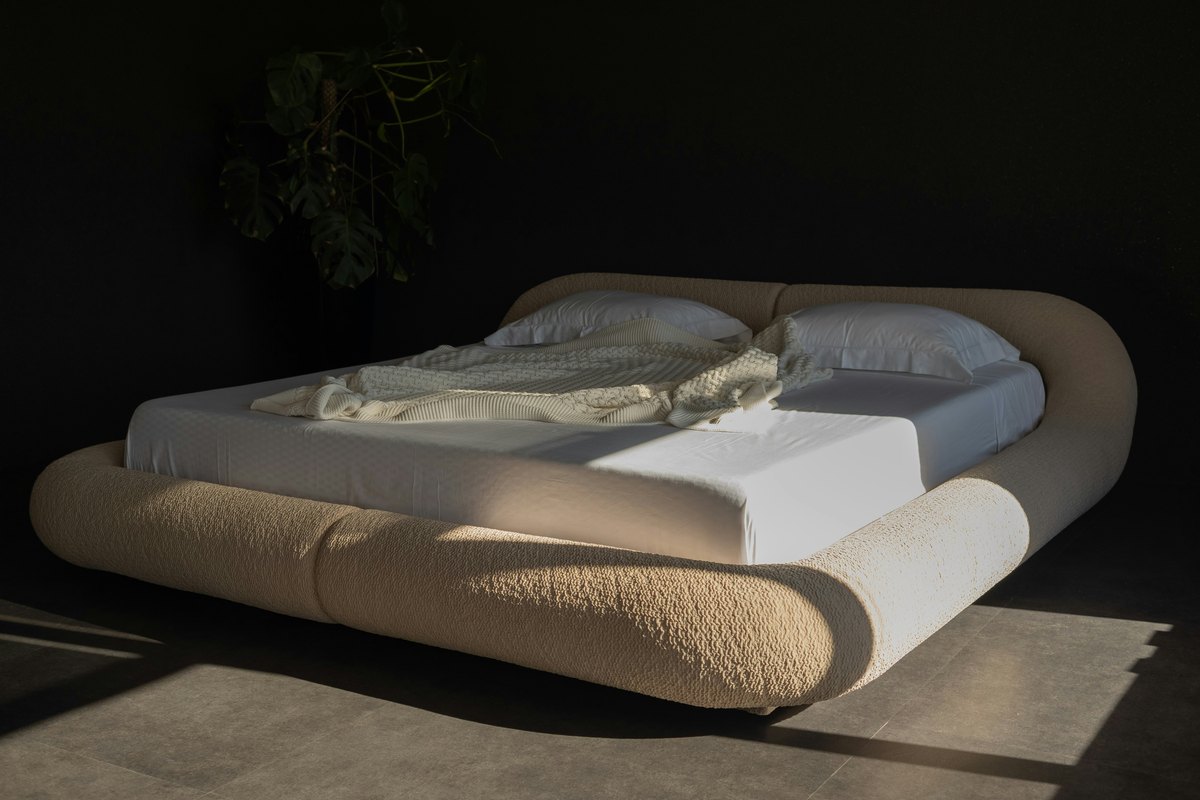
Motion isolation is respectable, though not completely silent. In our drop tests using a 15-pound kettlebell dropped from a height of 12 inches, seismic sensors registered small, brief vibration tremors traveling across the surface. Because the T&N Adaptive foam is springy and buoyant rather than dead and absorbing, light sleepers sharing a bed with a restless partner will feel slight movement during vigorous shifts. Those needing absolute motion deadening might look toward a dense memory-foam model like Tempur-Pedic, though they will sacrifice the nimble bounce highlighted in our guide to Combination Sleeping: Why Bounce and Coil Response Matter More Than Plushness.
Perimeter stability proved solid. Many mid-tier boxed hybrids suffer from weak edges that squash under seated body weight. Tuft & Needle’s heavier-gauge boundary coils held firm during our seated edge-compression test, showing just 3.75 inches of displacement. Getting in and out of bed, or sleeping close to the perimeter to maximize mattress real estate, feels secure and supported.
Comparison Testing
To give you a clear market perspective, here is how the Tuft & Needle Hybrid measures up against three popular hybrids tested inside our lab:
| Spec / Feature | Tuft & Needle Hybrid | Helix Midnight | Saatva Classic | WinkBeds |
|---|---|---|---|---|
| Mattress Type | Polyfoam Pocket-Coil Hybrid | Memory Foam Coil Hybrid | Innerspring Dual-Coil Hybrid | Micro-Coil Hybrid Euro-Top |
| Profile Height | 12 Inches | 11.5 Inches | 11.5 or 14.5 Inches | 13.5 Inches |
| Firmness Score | 6 / 10 (Medium) | 6 / 10 (Medium) | 3 Options (Plush, Med-Firm, Firm) | 4 Options (Softer to Plus) |
| Starting MSRP | $549 | $749 | $1,095 | $999 |
| Trial / Warranty | 100 Nights / 10 Years | 100 Nights / 10–15 Years | 365 Nights / Lifetime | 120 Nights / Lifetime |
| Lab Cooling Score | 9.3 / 10 | 8.9 / 10 | 9.5 / 10 | 9.4 / 10 |
| Responsiveness | 9.4 / 10 | 8.8 / 10 | 9.6 / 10 | 9.3 / 10 |
If you want a slower-sinking memory foam sensation, the Helix Midnight provides more traditional contouring. For those who want traditional white-glove luxury with dual innerspring layers, the Saatva Classic remains a premier pick in our Best Hybrid Mattress roundup. Meanwhile, sleepers needing heavier lumbar reinforcement should look closely at the WinkBeds hybrid. However, the Tuft & Needle Hybrid outpaces most of these in outright pricing economy while keeping responsiveness exceptionally high.
Who Is This Mattress Best For?
✓ Highly Recommended For:
- • Back sleepers looking for contouring around the sacrum without excessive lumbar sink
- • Combination sleepers who toss and turn and need effortless bounce
- • Hot sleepers who find memory foam retains too much body heat
- • Couples wanting stable edge support and an approachable medium feel
✕ Consider Skipping If:
- • Heavyweight stomach sleepers requiring a rigid 8/10 or firmer sleep surface
- • Sleepers who crave the deep, slow-melting hug of dense visco-elastic foam
- • Shoppers wanting luxury organic natural latex materials
Tuft & Needle Hybrid
Back sleepers, combination sleepers, and warm sleepers wanting active bounce
Frequently Asked Questions
Does the Tuft & Needle Hybrid need a box spring?
No. The mattress performs best on a firm, flat, non-yielding base such as a slatted platform bed (slats no more than 4 inches apart), a modern bunkie board, or an adjustable foundation. Traditional flexing box springs can cause unnatural bowing in the pocketed spring unit.
How long does the mattress take to expand after unboxing?
The pocketed coils spring into shape almost instantaneously once the vacuum seal is cut. While the comfort layers reach roughly 90% of their full 12-inch profile within an hour, allow 24 to 48 hours for the perimeter edges and corners to expand to their full firmness potential.
Is the Tuft & Needle Hybrid good for combination sleepers?
Yes. Because the top Adaptive foam layer has a fast rebound and works in tandem with an 8-inch pocketed coil unit, combination sleepers will not feel trapped in a crater when rolling over or transitioning between side and back positions.
Jessica Moore, Certified Sleep Science Coach
Jessica has spent 8+ years analyzing biomechanics, pressure relief mapping, and mattress ergonomics. She leads our independent sleep lab in Austin, TX, overseeing thermal, motion, and durability testing.