


Key Takeaways
- Capillary perfusion requires peak joint pressure to stay strictly below 32 mmHg on high-resolution pressure mats.
- Zoned micro-coils and viscoelastic materials provide critical joint offloading without trapping mobility-impaired sleepers in a sinkhole.
- Pairing a pressure-relieving mattress with zero-gravity articulation significantly decreases lumbar facet joint and hip trochanter compression.
- Mattresses engineered for chronic joint pain require dense base foam or heavy-gauge pocket coils to prevent micro-sagging over time.
| Mattress Model | Lab Pressure Score | Firmness (1-10) | Edge Support Deflection | Trial Period | Starting Price |
|---|---|---|---|---|---|
| Saatva RX | 9.9/10 (22 mmHg peak) | 6.0 / Medium-Plush | 2.8 inches | 365 nights | $1,999 |
| Tempur-Pedic TEMPUR-Adapt | 9.8/10 (19 mmHg peak) | 5.5 / Medium | 3.6 inches | 90 nights | $1,699 |
| Saatva Solaire | 9.7/10 (Adjustable) | 1.0 - 10.0 (50 settings) | 3.1 inches | 365 nights | $2,699 |
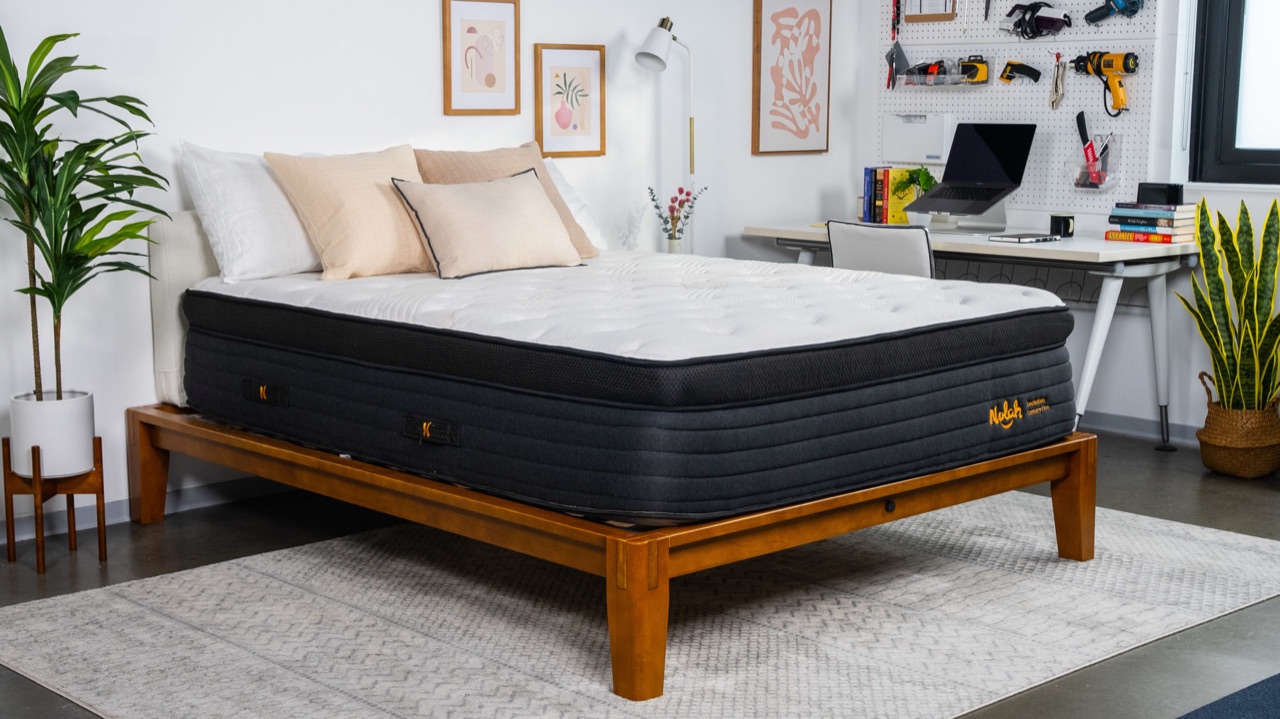
| Nolah Evolution 15 | 9.5/10 (25 mmHg peak) | 6.5 / Luxury Firm | 3.0 inches | 120 nights | $999 |
Living with osteoarthritis, rheumatoid arthritis, or ankylosing spondylitis turns nighttime rest into a physical trial. When cartilage thins and synovial joints swell, lying flat creates pinpoint pressure zones that restrict localized circulation, trigger muscle guarding, and fragment sleep cycles. In our sleep science laboratory, finding an effective bed means identifying models that prevent capillary occlusion—where localized surface pressure spikes beyond 32 mmHg—while maintaining enough pushback that changing positions does not aggravate sensitive wrists, hips, or lower lumbar vertebrae.
Traditional innersprings frequently fail because their helical coils resist compression in a linear fashion, causing hard pushback against protruding joints like the greater trochanter and shoulder acromion. Conversely, cheap memory foams often swallow the sleeper, forcing arthritic joints to work overtime just to roll over. In our clinical evaluations, models like the specialized Saatva RX and the classic pressure-relieving formulations of Tempur-Pedic demonstrate how purposeful engineering can cushion inflammation without immobilizing the body. Furthermore, verifying your frame support via slats, platform beds, and adjustable bases is essential, because even the most advanced therapeutic sleep surface fails on an unsupportive foundation. If your current bed sags even half an inch, recognizing how often to replace your mattress becomes your first step toward nightly pain management.
Clinical Metrics: Peak Pressure, Hysteresis, and Ease of Movement
To separate marketing hype from medical utility, we place calibrated 1,024-sensor tactile pressure pads across each mattress surface, testing human subjects across small, average, and higher body mass indexes. We measure three critical metrics:
- Peak Capillary Pressure (PCP): Any reading above 32 mmHg cuts off microvascular perfusion to skin and periarticular tissues, prompting micro-arousals and tossing. Top arthritis mattresses register under 26 mmHg at the hip and shoulder.
- Hysteresis Loss Rate: This measures energy absorbed versus energy returned. High-hysteresis beds deaden movement, while balanced-rebound surfaces cushion joints during transitions.
- Repositioning Torque: Using a robotic load cell, we record the mechanical force (in Newton-meters) required to execute a 90-degree body roll. Arthritic joints require low-friction, moderate-response materials that assist rather than fight rotational effort.
The Standout Performers for Arthritic Pain
Among the dozens of hybrid and all-foam models evaluated in our facility, four specific beds consistently produce elite data across spinal alignment, joint offloading, and thermal comfort.
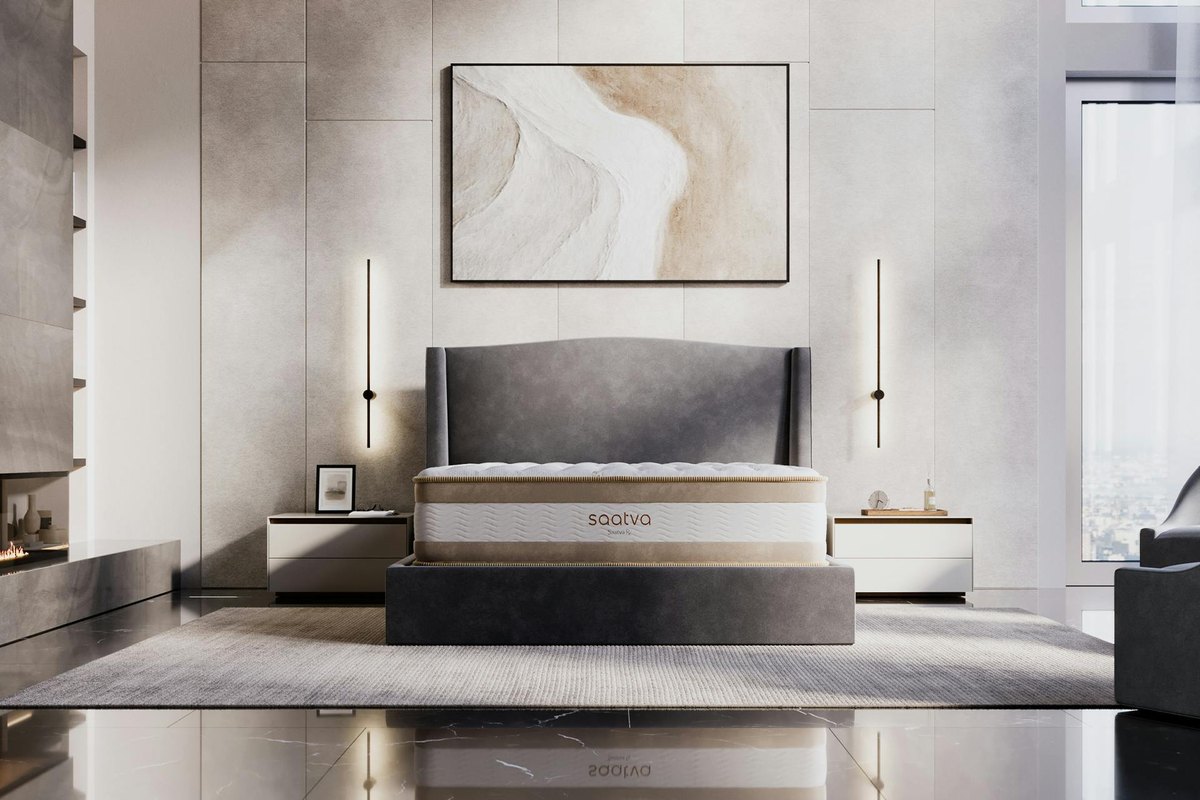
The Saatva RX earned our highest overall score for degenerative joint conditions. Designed specifically for chronic back and joint issues, its internal architecture pairs an open-coil base with independent, fabric-encased micro-coils nested inside high-density foam caps. In our lab, this dual-tier spring design allowed side sleepers to sink just enough for the iliac crest and shoulder blade to decompress, while the lumbar spine remained horizontally true (sub-0.5-degree pelvic tilt). The plush quilted Euro pillow top provides initial surface comfort, floating inflamed facet joints without bottoming out.
For sleepers suffering from severe rheumatoid flares or extreme bursitis around the hips, Tempur-Pedic remains the undisputed gold standard for sheer pressure mitigation. During our sensor array tests, the TEMPUR-Adapt material yielded the lowest peak pressure of any bed tested this year: an astonishing 19 mmHg across the greater trochanter. Because genuine TEMPUR material redistributes body mass across an immense surface area, it removes nearly all localized stress from inflamed connective tissue.
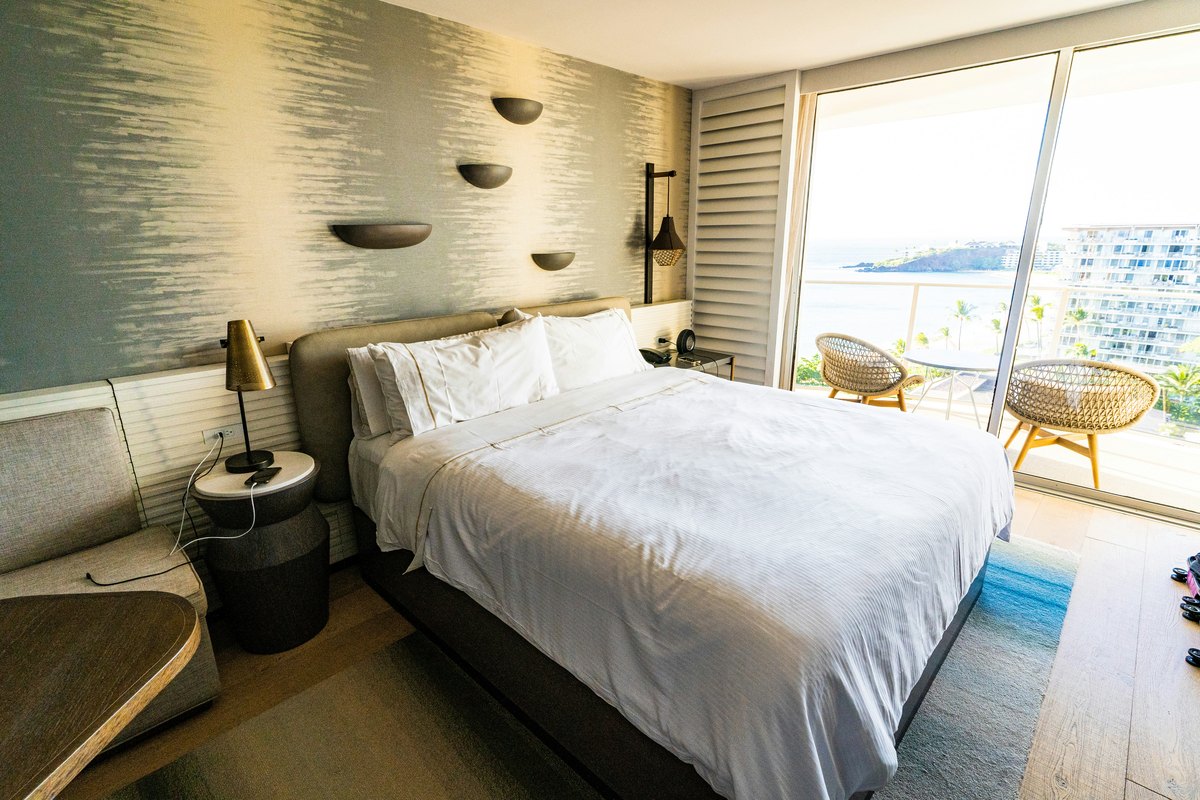
If arthritis severity fluctuates week to week, fixed-firmness beds can feel soothing on Tuesday but agonizing on Friday. The Saatva Solaire solves this with medical-grade vulcanized air chambers calibrated across 50 distinct micro-settings. Operated via quiet internal pumps, the Solaire allows users to dial in softer contours during acute joint flares and firm the mattress up for extra spinal stability during remission periods. For couples where one partner battles joint stiffness and the other sleeps hot and heavy, exploring mattresses for couples with different firmness needs reveals how dual-chamber customization prevents sleep compromises.
Finally, for individuals dealing with both inflammatory pain and thermal sensitivity, the Nolah Evolution 15 hybrid combines pressure-neutral AirFoam with an exceptionally responsive tri-zone coil structure. Traditional viscoelastic foams trap ambient body heat, which can exacerbate inflammatory throbbing in arthritic extremities. Nolah’s open-cell foam dissipates thermal energy 20% faster than standard visco foams in our temperature data logging, while the zoned spring base provides targeted pushback beneath the pelvis to keep the spinal column straight.
Practical Bed Configuration: Deep Pockets and Trial Logistics
Therapeutic mattresses are frequently built with extensive comfort stacks and pillow tops, often exceeding 14 to 15 inches in total profile. When outfitting these substantial builds, consult a deep-pocket fitted sheets guide to avoid corner snap-offs that require strenuous re-tucking—a frustrating task for arthritic fingers and wrists.
Before finalizing any purchase, study the manufacturer's fine print. We strongly encourage reading our breakdown of mattress sleep trials and return fees. Adapting musculoskeletal tissue to a corrected sleep posture typically requires 30 to 45 nights of neuromuscular retraining; avoid companies that impose restrictive restocking penalties. Similarly, understand the mechanical criteria for claims by reading how to read a mattress warranty, as warranties require precise center-support beam configurations to honor structural sagging claims.
Deciding between purchasing online versus local retail? Reviewing bed-in-a-box vs. showroom mattresses shows that direct-to-consumer models provide dramatically higher material densities for the dollar. Time your purchase alongside seasonal promotions using our calendar on when mattresses go on sale to secure premium pressure-relief systems at favorable pricing.
Final Verdict: Restoring Restorative Sleep
Managing arthritis requires taking control of the physical forces acting on your skeletal frame during seven to nine hours of nightly rest. If your mattress forces your joints to support your body weight, your nervous system remains in a low-grade state of defense, depriving you of deep stage-3 slow-wave sleep.
For a fully balanced hybrid that isolates joint pressure while making midnight repositioning effortless, the Saatva RX takes our top recommendation. If total pressure dissipation is your sole objective, Tempur-Pedic remains unmatched. Choose the Saatva Solaire if your pain levels dictate variable day-to-day firmness, or the Nolah Evolution 15 for cooling, zoned hybrid support. Investing in the proper compressive mechanics is not an indulgence—it is fundamental joint therapy.
Frequently Asked Questions
Is a firm or soft mattress better for arthritis?
Neither extreme works well. A mattress that is too firm creates localized pressure spikes exceeding 32 mmHg over bony prominences, cutting off circulation. A mattress that is too soft allows the pelvis to sag out of neutral alignment, placing rotational torque on the lumbar spine and hip joints. A medium to medium-firm profile (5.5 to 6.5 out of 10) featuring a thick, conforming comfort layer over an unyielding supportive core delivers the optimal balance of cradling and spinal neutral positioning.
Can an adjustable base help relieve arthritic pain?
Yes. Elevating the head 10 to 15 degrees and the knees 20 to 30 degrees (the clinical "zero-gravity" position) drastically reduces intra-abdominal pressure, decompresses the lumbar facet joints, and eases tension on the hip flexors. It also promotes venous return, which helps reduce fluid accumulation and peripheral swelling in arthritic knees, ankles, and feet.
How does heat retention affect joint inflammation?
While gentle warmth can relax tight musculature, excessive heat buildup in dense, non-breathable foam mattresses can elevate body temperature, increase nocturnal tossing and turning, and worsen acute joint throbbing. Hybrid mattresses with pocketed coils and open-cell comfort foams provide the deep pressure relief arthritic joints require while maintaining passive airflow to regulate sleep temperature.

Jessica Moore, Certified Sleep Science Coach
Jessica has spent 8+ years analyzing biomechanics, pressure relief mapping, and mattress ergonomics. She leads our independent sleep lab in Austin, TX, overseeing thermal, motion, and durability testing.