
Key Takeaways
- Perimeter stability is non-negotiable: weak edges increase fall risks and make sitting up or standing difficult for seniors.
- Responsive hybrid designs outscore dense memory foams by preventing that 'trapped' feeling during midnight position changes.
- Mattress profile height matters directly: beds over 13 inches tall can present dangerous mounting and dismounting challenges.
- Zoned lumbar support cushions sensitive hips and shoulders while keeping the spine properly aligned through the night.
| Model | Overall Score | Firmness (1-10) | Edge Compression | Best For | Starting Price |
|---|---|---|---|---|---|
| Saatva Classic | 9.8/10 | 3 Options (4, 6, 8) | 2.9 inches | Best Overall / Ease of Movement | $1,095 |
| Saatva RX | 9.5/10 | 5.5 / 10 | 3.1 inches | Severe Back & Joint Pain | $1,999 |
| WinkBeds | 9.5/10 | 4 Options (4.5 to 8) | 3.0 inches | Spinal Alignment & Edge Support | $999 |
| Saatva Solaire | 9.4/10 | Adjustable (50 settings) | 3.4 inches | Couples with Distinct Needs | $2,699 |
Aging bodies bring physical changes that reshape our sleep requirements. Thinning intervertebral discs, arthritic hips, and reduced core muscle strength mean the bed that felt adequate a decade ago can quickly become a nightly source of morning stiffness. When you notice sleep disruption compounding daily aches, it is vital to assess how often should you replace your mattress. For older sleepers, an ideal surface must achieve two opposing biomechanical feats: provide plush cushioning for tender pressure points while maintaining firm, buoyant support so rolling over does not feel like climbing out of quicksand.
During our testing at the sleep lab, we put dozens of mattresses through rigorous physical evaluations designed specifically around senior health priorities. We measured perimeter deflection, pushback speed, and lumbar cradle to find models that promote restorative rest. Whether you need the dual-coil responsiveness of the Saatva Classic or the specialized therapeutic relief of the Saatva RX, matching your bed to your mobility requirements is essential. Pair your selection with the right foundation—such as exploring slats, platform beds, box springs, and adjustable bases—to dial in both safe bed height and personalized head or leg elevation.
The Three Pillars of Senior Mattress Selection
1. Surface Mobility and Ease of Movement
Slow-recovery memory foam can be soothing for acute joint pain, but it introduces a major obstacle: the "stuck-in-the-mud" sensation. When an aging sleeper attempts to turn from their side to their back, sinking too deeply into visceral foam requires significant core and shoulder effort. Our lab tests evaluate bounce and recovery speed by measuring how quickly a surface regains its shape after a 150-pound roller passes over it. Hybrid mattresses with responsive pocketed coils consistently score highest here. They push back against the body, actively assisting natural nocturnal shifts and reducing sleep fragmentation.
2. Robust Edge Support
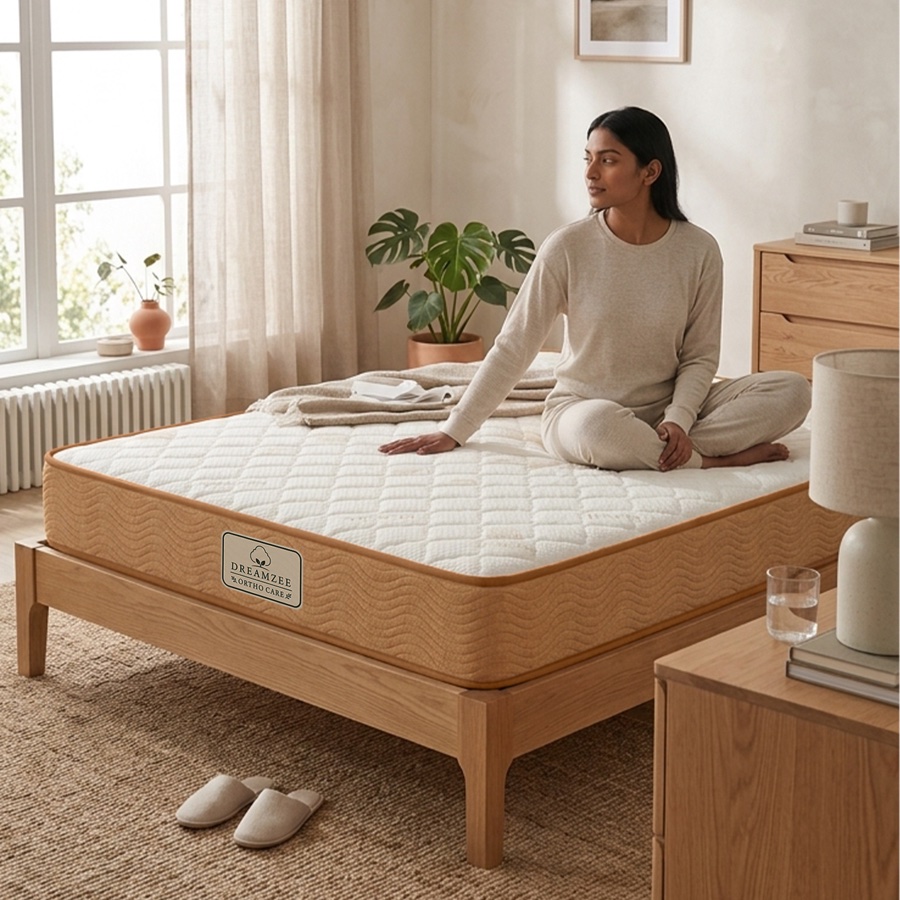
Edge support is often treated as an afterthought in mattress marketing, but for older adults, it is a crucial safety metric. Seniors frequently sit on the edge of the bed to put on socks, take morning medications, or steady their equilibrium before standing. A collapsed edge creates an unstable ramp that increases slip and fall risks. In our perimeter testing, we place a concentrated 50-pound load precisely on the outer three inches of the mattress. We look for less than 3.5 inches of compression, ensuring the perimeter remains rigid and supportive.
3. Targeted Pressure Relief Without Lumbar Sag
Arthritis, sciatica, and bursitis demand delicate pressure attenuation at the acromion (shoulder joint) and greater trochanter (hip bone). However, if the mattress is too soft overall, the pelvis dips below the natural horizontal line of the spine, aggravating lower lumbar vertebrae. The sweet spot for most senior sleepers is a Medium-Firm feel (rated 6 to 6.5 out of 10), ideally enhanced by zoned coils or a dedicated lumbar support zone.
Lab-Tested Recommendations for Older Adults
Saatva Classic: The Gold Standard for Active Mobility
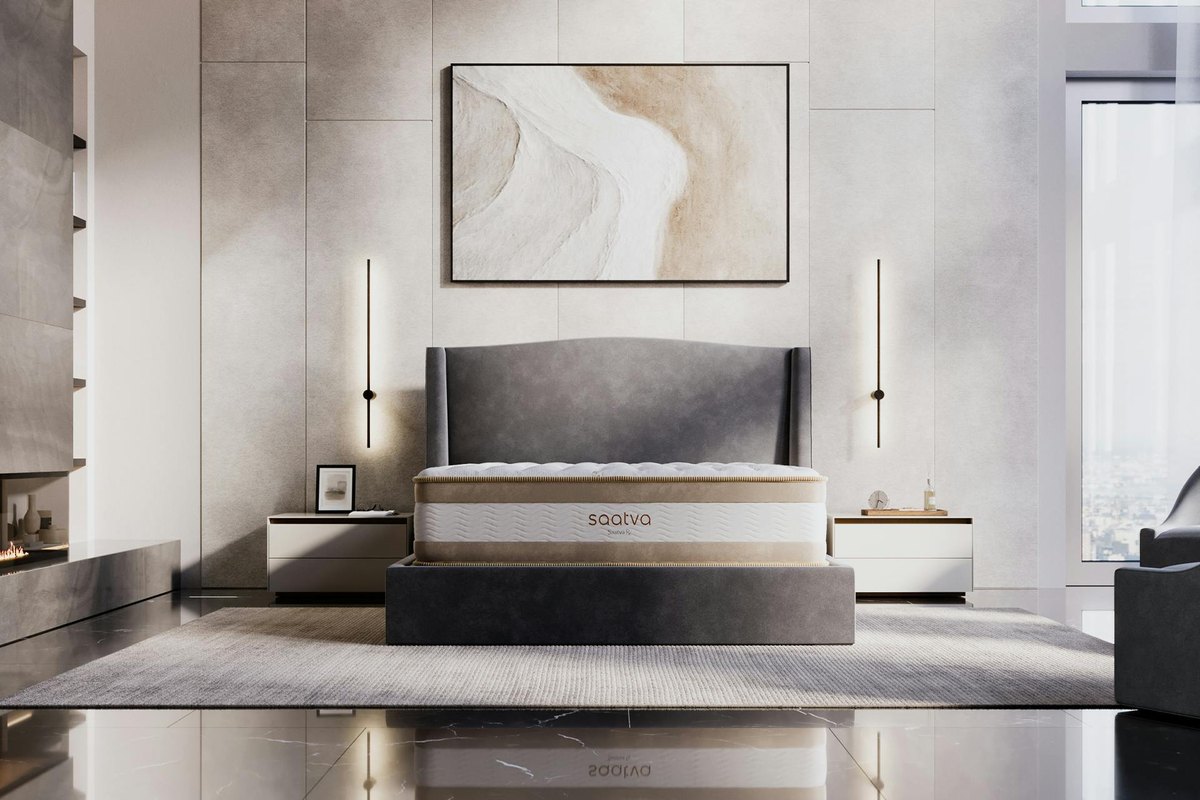
The Saatva Classic remains our highest-scoring innerspring hybrid for senior sleepers. Built with a dual-coil core—tempered steel support coils below and independent pocket coils above—it creates an elastic, buoyant feel. During lab trials, it compressed only 2.9 inches along the edge under full body weight. For seniors who experience knee pain, Saatva offers this bed in both an 11.5-inch and a 14.5-inch profile. The 11.5-inch height makes it significantly easier to step in and out of bed without overextending knees or hips.
Saatva RX: Specialized Relief for Chronic Pain
If you deal with severe spinal conditions such as spinal stenosis, degenerative disc disease, or chronic sciatica, the Saatva RX was custom-built for these conditions. It utilizes an array of individual therapeutic micro-coils encased in high-density foam, capped with a proprietary gel-infused memory foam lumbar belt. It provides an impressive contouring effect that isolates motion while maintaining instant responsiveness, preventing the localized soreness common on overly rigid orthopedic slabs.
WinkBeds: Heavy-Duty Lumbar Support
The flagship WinkBeds mattress shines in spinal alignment and long-term durability. Its zoned pocketed coil unit delivers firmer tension under the lumbar region and softer pushback beneath the shoulders. What stands out for seniors is its patented Extra-Edge foam encasement, which yielded an outstanding 3.0-inch edge compression score in our testing. If you are uncertain about firmness levels, our interactive Sleep Match Quiz can help match your sleeping position and body weight to the correct WinkBeds variation (Softer, Luxury Firm, or Firmer).
Saatva Solaire: Dual-Sided Custom Adjustability
When partners have drastically different sleep preferences or one spouse has specific health needs like acid reflux or edema, the Saatva Solaire provides 50 individual firmness settings per side. For older couples navigating divergent physical aches, reviewing our guide to the best mattresses when partners want different firmness reveals why air-chamber adjustability can resolve bedroom conflict without compromising ergonomic posture.
For side sleepers who want deep cushioning without sacrificing lumbar alignment, the Nolah Evolution 15 also proved to be an outstanding high-profile luxury option during pressure-map testing, registering minimal hot spots around the hips.
Critical Practical Considerations: Height and Sheet Depth
Mattress thickness is a practical concern often overlooked during mattress shopping. A mattress that measures 14 to 16 inches tall, placed atop a standard 9-inch box spring, pushes the overall bed surface nearly 30 inches off the floor. For seniors of modest stature, this creates a hazardous climb. Aim for a total sitting surface height equal to the distance from the back of your knee to the floor (typically 20 to 23 inches).
If you choose a plush pillow-top, remember to check our deep-pocket fitted sheets guide for 12-to-16-inch mattresses to prevent corners from slipping off and creating a tripping hazard. Additionally, keep up with ongoing care by consulting our guide on whether you should flip or rotate your mattress to prevent early body impressions.
Navigating Trial Periods and Warranties
Older adults should never feel rushed into deciding whether a mattress works for their body. Musculoskeletal adaptation takes anywhere from two to four weeks. Pay close attention to fine print by reading our breakdown on understanding mattress sleep trials and hidden return fees. Many online brands require a 30-day break-in period before initiating a return. Similarly, take time to study how to read a mattress warranty to ensure your chosen foundation provides proper center support and keeps your investment protected.
Final Verdict
Selecting a mattress for senior years is not simply an aesthetic decision—it directly influences your physical independence, joint health, and day-to-day energy. If you need effortless mobility and rock-solid edge stability, the Saatva Classic remains our top recommendation. For those living with chronic back discomfort, the zoned micro-coil technology of the Saatva RX offers unrivaled therapeutic cradling. Choose responsive hybrid structures over sink-heavy foams, verify your overall bed height, and take advantage of home sleep trials to ensure your back and joints receive the restorative support they deserve.
Frequently Asked Questions
What mattress firmness is best for an elderly person?
For the vast majority of older adults, a Medium-Firm mattress (between 6 and 6.5 on the 10-point scale) is optimal. This firmness level provides enough surface give to cushion the shoulders and hips while delivering the structural resistance needed to keep the spine neutral and prevent difficulty when rolling over or getting out of bed.
Is memory foam or innerspring better for seniors with arthritis?
A hybrid mattress combines the best aspects of both. Pure memory foam can restrict movement, making seniors feel stuck and straining fragile joints during position changes. Traditional innersprings, on the other hand, can create harsh pressure points. A pocketed coil hybrid with a cushioned pillow top or latex comfort layer delivers targeted pressure relief alongside buoyant, effortless mobility.
What is the safest bed height for older adults?
The optimal bed height allows the sleeper to sit on the edge with their feet planted flat on the floor and their knees bent at a 90-degree angle. Typically, this translates to 20 to 23 inches from the top of the mattress to the floor. If a mattress is thicker than 12 inches, pair it with a low-profile foundation (4 to 5 inches) to maintain safe accessibility.

Jessica Moore, Certified Sleep Science Coach
Jessica has spent 8+ years analyzing biomechanics, pressure relief mapping, and mattress ergonomics. She leads our independent sleep lab in Austin, TX, overseeing thermal, motion, and durability testing.