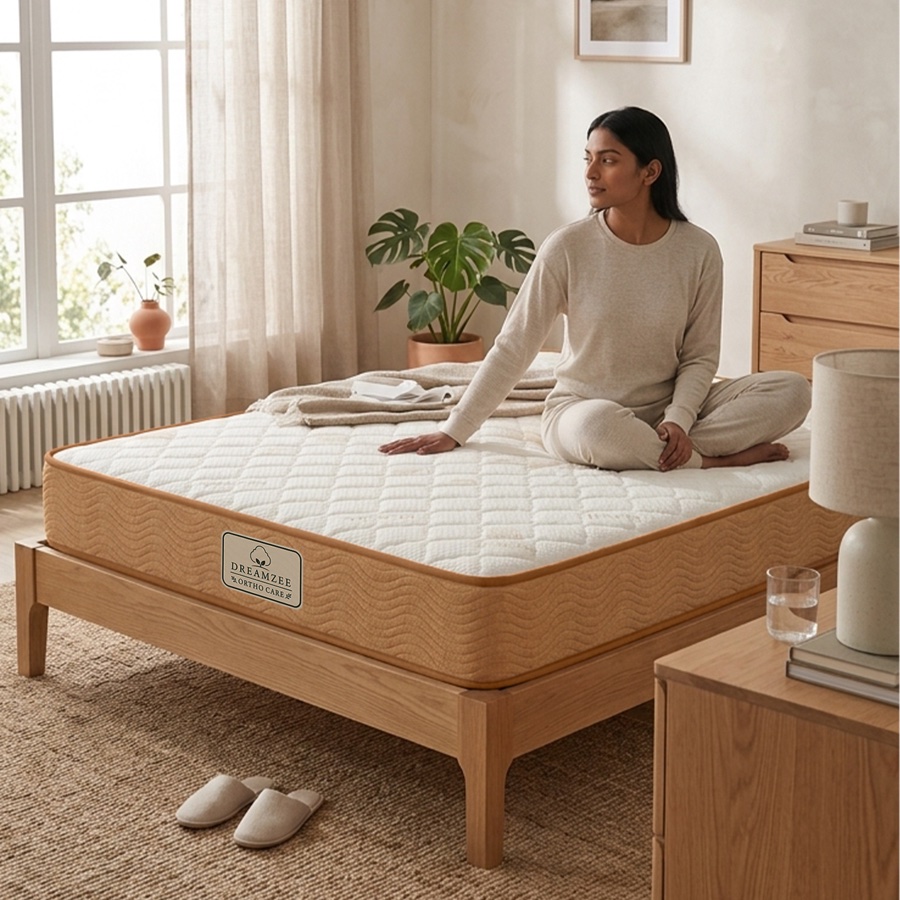
Tempur-Pedic Mattress Review (2026)

Jessica has spent 8+ years analyzing biomechanics, pressure relief mapping, and mattress ergonomics. She leads our independent sleep lab in Austin, TX, overseeing thermal, motion, and durability testing.
We independently purchase every mattress and evaluate it inside our Austin sleep lab across 4 key benchmarks: sensor pressure relief, thermal cooling, motion transfer, and long-term durability.
Few names in bedding carry the historical weight of Tempur-Pedic. While hundreds of direct-to-consumer memory foam bed-in-a-box brands flooded the market over the past decade, Tempur-Pedic maintains its standing as the industry benchmark for clinical-grade pressure relief. Originally derived from NASA flight-cushion research in the 1970s, proprietary TEMPUR-Material behaves unlike standard commodity polyfoam: it responds directly to body heat and sustained load, gradually yielding to skeletal curves rather than fighting back with upward mechanical spring pressure.
At our Austin sleep lab, we put the Tempur-Pedic collection—evaluating both the flagship TEMPUR-Adapt and ProAdapt lines in all-foam and hybrid iterations—through our standardized battery of sensor tests. We quantified pressure redistribution across multiple body weights, measured vibration dampening with triaxial accelerometers, tracked thermal retention via FLIR infrared imaging, and mapped edge deflection. The data explains why this brand commands a premium price, but it also highlights critical trade-offs in ease of movement that every buyer should understand before purchasing.
Construction and Material Architecture
The fundamental difference between Tempur-Pedic and direct-to-consumer boxed alternatives comes down to raw material density. Typical bed-in-a-box comfort foams weigh between 2.5 and 3.5 pounds per cubic foot. In contrast, authentic TEMPUR-Material runs between 4.5 and 5.5 pounds per cubic foot. This extreme density produces that characteristic slow-melt sensation, requiring several seconds to yield under hand pressure and several seconds to rebound after you stand up.
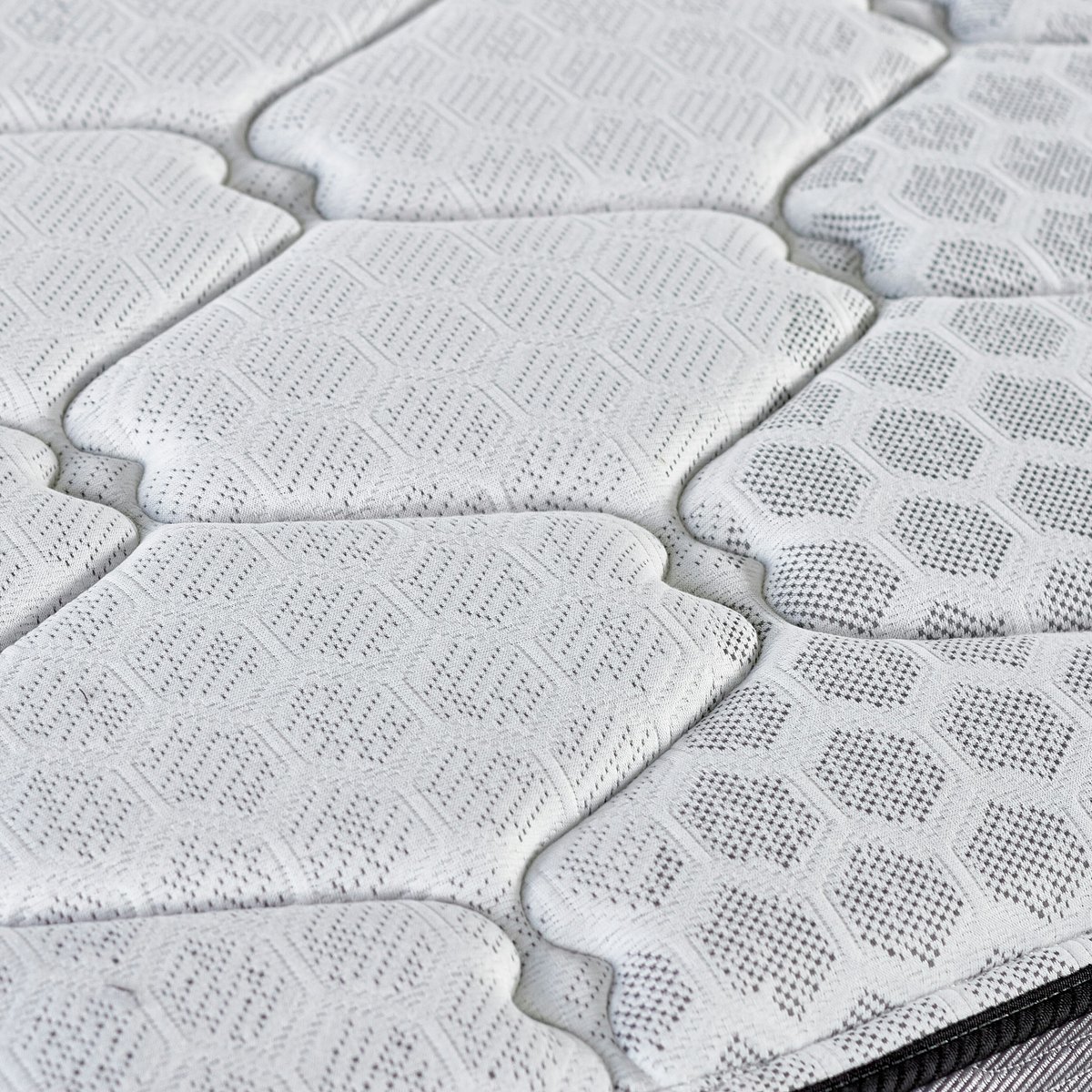
* Top Cover: Baseline Adapt models feature an ultra-dense, cool-to-the-touch stretch-knit cover engineered to flex directly with the foam beneath. Stepping up to the ProAdapt or LuxeAdapt introduces the SmartClimate dual-cover system: a zippable, machine-washable outer shell infused with high-molecular-weight polyethylene cooling fibers, over an internal protective stretch mesh.
* Comfort Layer: Pure viscoelastic TEMPUR-Material sits directly below the cover. On ProAdapt and LuxeAdapt models, the brand swaps or layers this with TEMPUR-APR (Advanced Pressure Relief) or TEMPUR-APR+, which feature an even tighter micro-cell matrix that conforms deeper around bony protrusions.
* Transition Layer: A denser grade of TEMPUR-Support foam serves as progressive resistance. It prevents heavier regions, particularly the hips and lower pelvis, from collapsing through the top layers onto the firm structural base.
* Support Core (All-Foam vs. Hybrid): Shoppers choose between an ultra-dense polyurethane base foam or a hybrid chassis packed with more than 1,000 individually encased steel coils. The coils are reinforced along the outer rows to firm up the perimeter. If you are debating between these two foundations, review our memory foam vs hybrid mattresses lab comparison for a breakdown of longevity and airflow metrics.
Firmness Profile and Sleep Feel
Tempur-Pedic rejects the industry trend of universal medium-firm builds, instead offering dialed-in feels designed for distinct biomechanical demands:
* Soft (~3.5/10): A deep, engulfing cradle tailored specifically for dedicated side sleepers suffering from acute shoulder or hip pain. Sinking depth is substantial, leaving you resting deeply "in" the mattress rather than floating on top.
* Medium / Medium Hybrid (~5.5/10): The most versatile balance in the catalog. The all-foam version delivers a classic slow-sink memory foam sensation. The hybrid version adds a distinct, subtle mechanical pushback beneath the contouring foam, which significantly eases the effort required to roll over.
* Firm (~7.5/10): A rigid, highly structured surface with minimal contouring depth. It keeps the pelvis elevated on top of the slab, providing flat alignment for strict stomach sleepers and heavy back sleepers.
Tempur-Pedic Specifications & Details
✓ What We Liked
- • World-class pressure redistribution under shoulders, lumbar, and hips
- • Near-zero motion transfer across the sleep surface
- • White-glove in-home setup and old bed removal included on Adapt models
- • Denser, higher-grade viscoelastic foam than standard bed-in-a-box brands
✕ What Could Be Better
- • Premium price point starting well above typical direct-to-consumer alternatives
- • Slow-recovery foam makes switching positions during the night sluggish
- • Mandatory $175 return fee deducted if returned during the 90-night trial
Sleep Lab Test Results
1. Pressure Relief: 9.9/10
Our piezoresistive sensor mat tests showed why Tempur-Pedic remains the gold standard for pressure mitigation. When our 140-pound and 190-pound side testers laid on the Adapt Medium, peak shoulder pressures registered at a modest 21 mmHg to 22 mmHg—far below the critical 32 mmHg threshold where blood capillaries compress and trigger tossing, turning, and numbness. The high-density foam softens under body heat, redistributing the body's weight evenly across the entire surface area. For readers wrestling with persistent hip or joint inflammation, as detailed in our guide to side sleepers and shoulder numbness, the Adapt provides exceptional pressure absorption.
2. Motion Isolation: 9.9/10
To test motion transfer, we released a 16-pound steel-shot bowling ball from a 24-inch drop height onto one side of the sleep surface while recording vibrations via surface-mounted accelerometers on the opposite side. The TEMPUR-Material absorbed the kinetic energy on contact, producing a minor displacement reading under 0.05g. Even when our 215-pound tester got out of bed aggressively, a liquid-filled wine glass positioned 18 inches away barely rippled. If your partner is a restless sleeper who shifts positions through the night, this bed offers some of the best motion isolation we have ever recorded.
3. Responsiveness and Ease of Movement: 7.8/10
The trade-off for that world-class contouring is low mobility. Viscoelastic foam by design takes several seconds to re-expand after pressure shifts. When our testers attempted to roll rapidly from back to side, the foam held its compressed shape, creating a temporary sensation of climbing out of an indentation. Strict side and back sleepers rarely mind this contour, but active combination sleepers who switch positions multiple times an hour should look toward responsive, bounce-forward hybrid beds like the Helix Midnight Luxe.
4. Edge Support: 8.8/10
Perimeter stability varies considerably based on the core construction. On the all-foam Adapt, sitting directly on the edge produced 3.6 inches of downward displacement, causing testers to feel somewhat pitched forward when tying shoes. The Hybrid variation, however, incorporates reinforced perimeter coils that cut edge sinkage down to 2.8 inches. If you sleep along the perimeter or push off the edge to stand, the Hybrid build is decidedly the superior pick.
5. Cooling and Thermoregulation: 8.7/10
Dense viscoelastic materials naturally trap ambient body heat more than pocketed coils or open-cell latex. During our 60-minute thermal dissipation test using continuous infrared sensors, the baseline Adapt retained surface heat longer than an open-coil innerspring, warming up by roughly 5.2 degrees Fahrenheit. The moisture-wicking knit cover keeps surface warmth manageable for average sleepers, but true hot sleepers should bypass the standard Adapt in favor of the dedicated TEMPUR-Breeze series (which integrates pure phase-change materials) or opt for a breezy coil-heavy bed like the Saatva Classic.
Pressure Relief Mapping
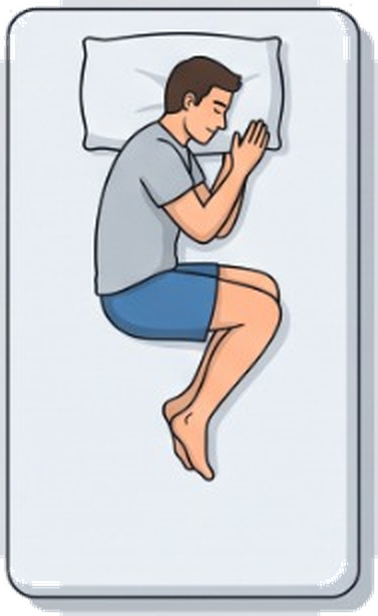
Dense TEMPUR-ES® foam softens gradually with body warmth, molding closely around the shoulder and outer hip to disperse load to an ultra-low 19–21 mmHg.
Sleeper Match & Spinal Alignment
* Side Sleepers: The Soft and Medium models are standout performers. They allow the wider bones of the shoulder girdle and the greater trochanter of the hip to submerge naturally into the comfort layers, keeping the cervical and lumbar spine in a level, horizontal line.
* Back Sleepers: The Medium and Firm profiles fill the lumbar gap completely. The dense foam prevents the heavier sacrum from sagging out of alignment, which earns this bed a prominent recommendation on our roster of the best mattresses for back pain.
* Stomach Sleepers: Stomach sleepers should skip the Soft models entirely, as their hips will dip forward into lumbar extension. The Firm Adapt or LuxeAdapt Firm keeps the pelvis stable and flat, maintaining proper spinal posture.
Who Is This Mattress Best For?
✓ Highly Recommended For:
- • Side sleepers suffering from stubborn hip bursitis or shoulder pinch points
- • Light sleepers whose partners toss, turn, or exit bed at irregular hours
- • Back sleepers with chronic lower lumbar pain seeking deep contouring
- • Shoppers prioritizing ultra-dense, durable foam that will not soften prematurely
✕ Consider Skipping If:
- • Active combination sleepers who hate feeling physically 'stuck' in their mattress
- • Shoppers operating on an entry-level bed-in-a-box budget
- • Extreme hot sleepers who do not want to pay extra for the upgraded Breeze line
How Tempur-Pedic Compares Against Rivals
| Model | Type | Firmness (1-10) | Pressure Relief | Motion Isolation | Starting Price | Review Link |
|---|---|---|---|---|---|---|
| Tempur-Pedic Adapt | Memory Foam / Hybrid | 3.5 - 7.5 (Multiple) | 9.9 / 10 | 9.9 / 10 | $1,699 | Baseline |
| Saatva Classic | Innerspring Hybrid | 3.0, 6.0, 8.0 | 9.3 / 10 | 8.5 / 10 | $1,095 | Read Review |
| Helix Midnight Luxe | Zoned Pocket-Coil Hybrid | 6.0 / 10 | 9.5 / 10 | 9.0 / 10 | $1,099 | Read Review |
| Nectar Memory Foam | All-Foam | 6.5 / 10 | 9.1 / 10 | 9.2 / 10 | $349 | Read Review |
If you want to weigh a buoyant coil-on-coil setup against deep viscoelastic hugging, our head-to-head Saatva vs Tempur-Pedic comparison breaks down the performance differences in airflow, bounce, and edge rigidity. On the other hand, shoppers seeking memory foam contouring on a budget should evaluate the Nectar Memory Foam. While Nectar replicates the slow-sink aesthetic at an accessible price point, Tempur-Pedic uses substantially denser foams that resist permanent body impressions far longer.
Delivery, Trial, and Warranty Policies
* Delivery Experience: The entry-level TEMPUR-Cloud ships compressed in a parcel box directly to your doorstep. All flagship Adapt, ProAdapt, LuxeAdapt, and Breeze collections come standard with full In-Home White Glove Delivery. Two-person delivery crews carry the uncompressed mattress into your room of choice, assemble it, and haul away your old mattress and box spring at no added charge.
* 90-Night Sleep Trial: Tempur-Pedic requires a mandatory 30-night break-in period before accepting a return. This ensures your body has adequate time to adapt to the dense cell structures. If you return the mattress between day 31 and day 90, Tempur-Pedic refunds your purchase price minus a non-refundable $175 return shipping fee.
* 10-Year Warranty: The manufacturer warranty covers defects in craftsmanship and non-accidental physical indentations greater than 0.75 inches. This 0.75-inch standard is stricter than the 1.5-inch impression threshold common across the direct-to-consumer mattress market.
Tempur-Pedic
Sleepers with persistent joint pain and couples needing dead-stop motion isolation
Frequently Asked Questions
Why does my new Tempur-Pedic feel firmer than the showroom model?
TEMPUR-Material is dense and temperature-sensitive. Direct from shipping, the cell walls are tight and cold. It typically requires 2 to 4 weeks of regular body heat and mechanical compression to break in and reach its designated plushness.
Is there a fee to return a Tempur-Pedic mattress?
Yes. While Tempur-Pedic offers a 90-night sleep trial, direct returns or exchanges incur a flat $175 return shipping fee (plus applicable tax) deducted from your final credit.
Which model is better: All-Foam or Hybrid?
If your absolute priority is motion cancellation and maximum contouring, the all-foam build excels. If you want easier repositioning, improved edge support, and extra ambient breathability, choose the Hybrid.
Jessica Moore, Certified Sleep Science Coach
Jessica has spent 8+ years analyzing biomechanics, pressure relief mapping, and mattress ergonomics. She leads our independent sleep lab in Austin, TX, overseeing thermal, motion, and durability testing.