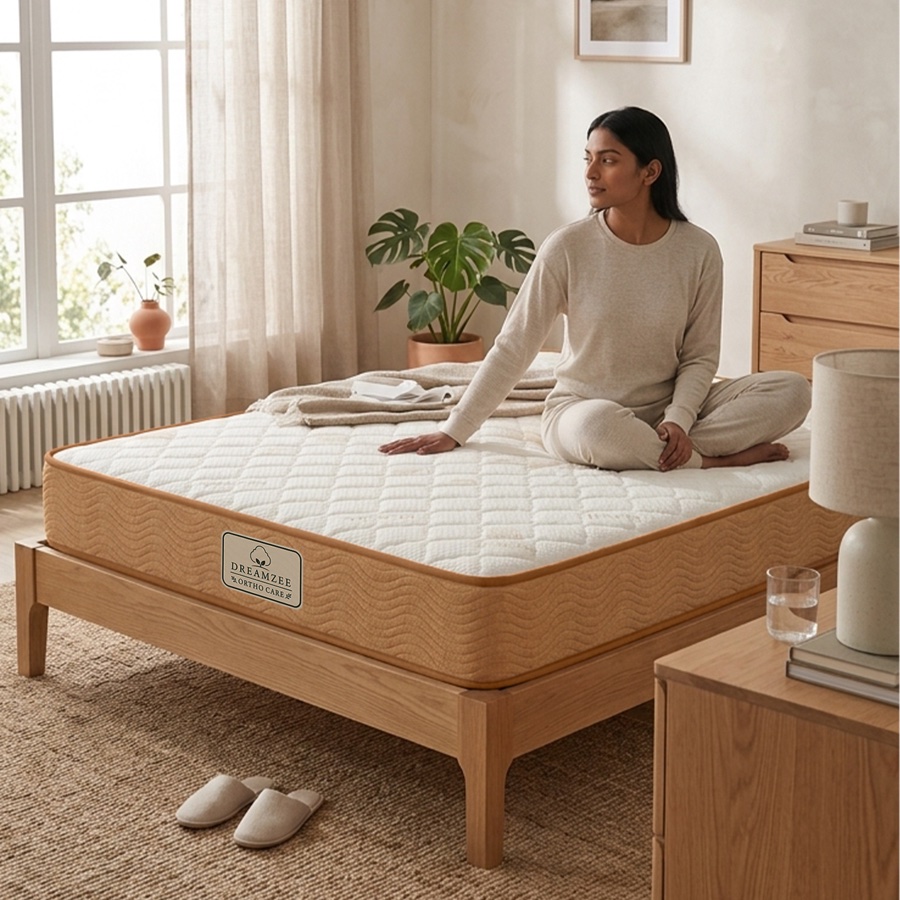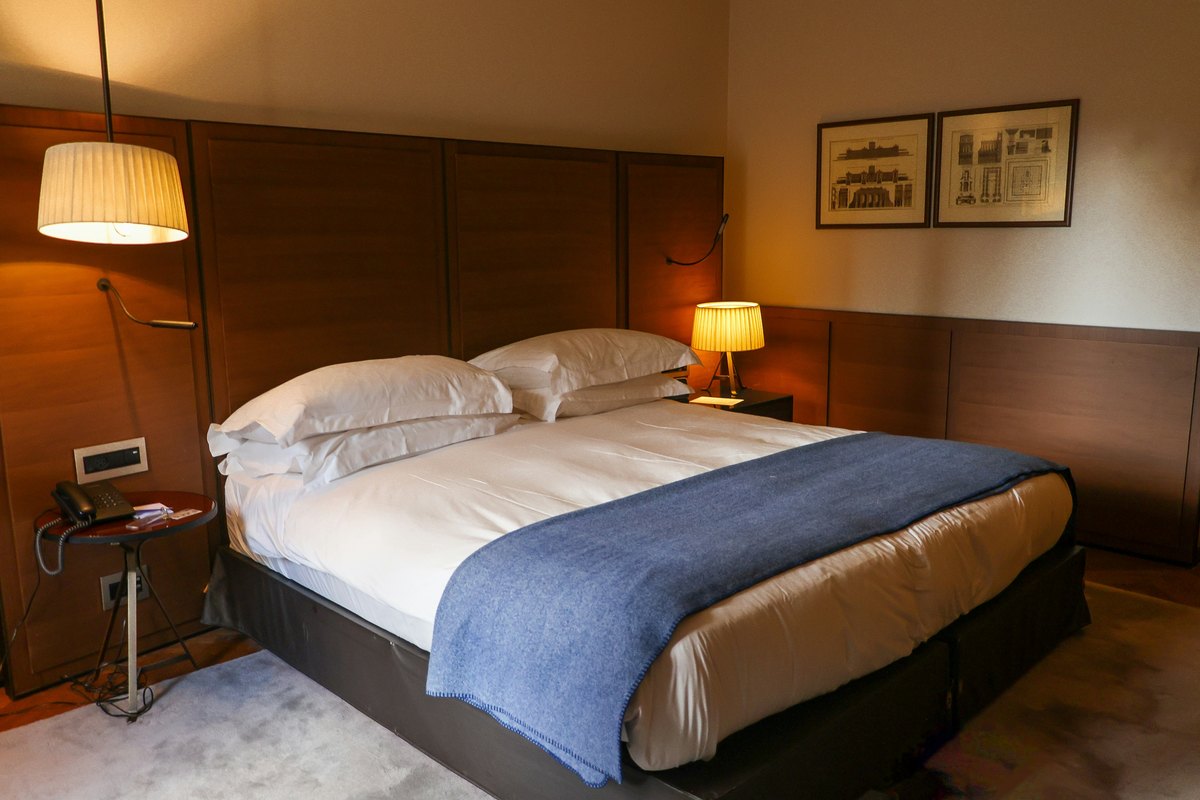
DreamCloud wins overall for versatile spinal support and cooling, while Nectar Premier remains the superior pick for dedicated side sleepers.
DreamCloud Original Hybrid
12-Inch Pocketed Coil Hybrid | Starts at $499
- Targeted lumbar alignment with 8.5-inch pocketed coils
- Exceptional perimeter stability for sitting and sleeping
- Significantly cooler thermal regulation than all-foam beds
Nectar Premier
13-Inch Pressure-Relieving Gel Foam | Starts at $649
- Near-zero motion transfer across sleeping partners
- Deeper contouring for sensitive hip and shoulder joints
- Phase-change cooling fabric mitigates traditional foam warmth
Key Takeaways
- DreamCloud’s hybrid coil core delivers superior airflow and edge reinforcement (3.25 inches of perimeter deflection vs. 4.6 inches on Nectar Premier).
- Nectar Premier excels in motion isolation (absorbing 92% of kinetic vibration) and localized side-sleeper pressure relief under 28 mmHg.
- DreamCloud rests at a true Medium-Firm (6.5/10), making it better suited for combination, back, and stomach sleepers.
- Both mattresses feature identical 365-night home sleep trials and lifetime warranty protections under parent company Resident Home.
| Specification / Metric | Nectar Premier | DreamCloud Hybrid |
|---|---|---|
| Construction Type | Multi-layer Gel Memory Foam | Pocketed Coil Hybrid |
| Total Profile Height | 13 inches | 12 inches |
| Firmness Rating | 6.0 / 10 (Medium-Firm) | 6.5 / 10 (Luxury Firm) |
| Pressure Relief Score | 9.4 / 10 | 8.9 / 10 |
| Motion Transfer Attenuation | 92% absorbed | 78% absorbed |
| Edge Support Deflection | 4.6 inches (Noticeable drop) | 3.25 inches (Stable) |
| Thermal Dissipation Rate | 2.1°F reduction at 5 min | 4.8°F reduction at 5 min |
| Trial & Warranty | 365 Nights / Lifetime | 365 Nights / Lifetime |
| Starting Price | $649 | $499 |
Choosing between an all-foam contouring mattress and a buoyant pocketed coil hybrid often comes down to how your body handles spinal alignment and heat. When evaluating the upgraded Nectar Premier against the flagship DreamCloud hybrid, shoppers face two distinct sleep philosophies from parent company Resident Home. While the baseline Nectar Memory Foam established the brand's reputation for deep contouring, the Premier model thickens the comfort package to 13 inches to solve common pressure-point issues.
However, the broader market debate—mirrored in our general Nectar vs DreamCloud breakdown—centers on whether deep foam sinkage outperforms coil responsiveness. In our controlled testing facility, we placed both models through our standardized mechanical sensor suite to reveal which mattress truly deserves a spot among the best mattress in a box options this year.
Construction and Material Teardown
The architectural divergence between these two beds is stark from cover to core. The Nectar Premier features a 13-inch all-foam build encased in a polyester-blend cover treated with phase-change material (PCM). Directly beneath lies 3 inches of gel-infused memory foam engineered to draw body heat away while letting hips and shoulders sink into a pressure-relieving cradle. Beneath this comfort tier sits a 3-inch dynamic response transition foam, supported by a 7-inch high-density polyfoam base. The entire structure relies on density variations rather than steel to maintain integrity.
In contrast, the DreamCloud utilizes a 12-inch hybrid structure topped by an airy, cashmere-blend quilted cover with 1.5 inches of soft polyfoam sewn directly into the surface. Beneath the Euro-top is an inch of gel-infused memory foam, followed by a thin transitional foam layer. The heavy lifter is the support core: an 8.5-inch system of individually wrapped, pocketed steel coils set over a thin stabilizing foam base. For sleepers considering thicker builds like the DreamCloud Premier, the standard DreamCloud retains a leaner, firmer profile that favors responsive lift over sinking hug.
Firmness and Sleep Ergonomics
On our standardized 10-point firmness scale (where 10 is unyielding concrete and 1 is down feather), we scored the Nectar Premier at a true 6.0 out of 10, placing it on the forgiving side of medium-firm. The DreamCloud clocked in at 6.5 out of 10, presenting a classic "luxury firm" feel with immediate upward pushback.
During our ergonomic profiling with human test subjects across weight brackets, spinal alignment varied significantly:
* Side Sleepers: The Nectar Premier proved noticeably superior for dedicated side sleepers under 230 pounds. Our sensor mat recordings showed peak shoulder pressures staying below 26 mmHg on the Nectar Premier, well beneath the 32 mmHg threshold where capillary constriction and tossing begin. The DreamCloud registered 31 mmHg at the shoulder for lightweight side sleepers, producing a firmer sensation that some may find too rigid.
* Back Sleepers: The DreamCloud established exceptional neutral lumbar positioning. Its internal pocketed coils prevent the pelvis from sinking past the thoracic spine. It ranks naturally with our evaluated best mattress for back pain candidates due to its supportive coil pushback.
* Stomach Sleepers: DreamCloud easily won this category. Stomach sleepers require minimal hip displacement to avoid lower lumbar hyperextension. Nectar Premier allowed our 195-pound tester's pelvis to settle nearly 1.8 inches into the foam, forcing the lumbar spine into an unhealthy arch.
Motion Transfer and Vibration Attenuation
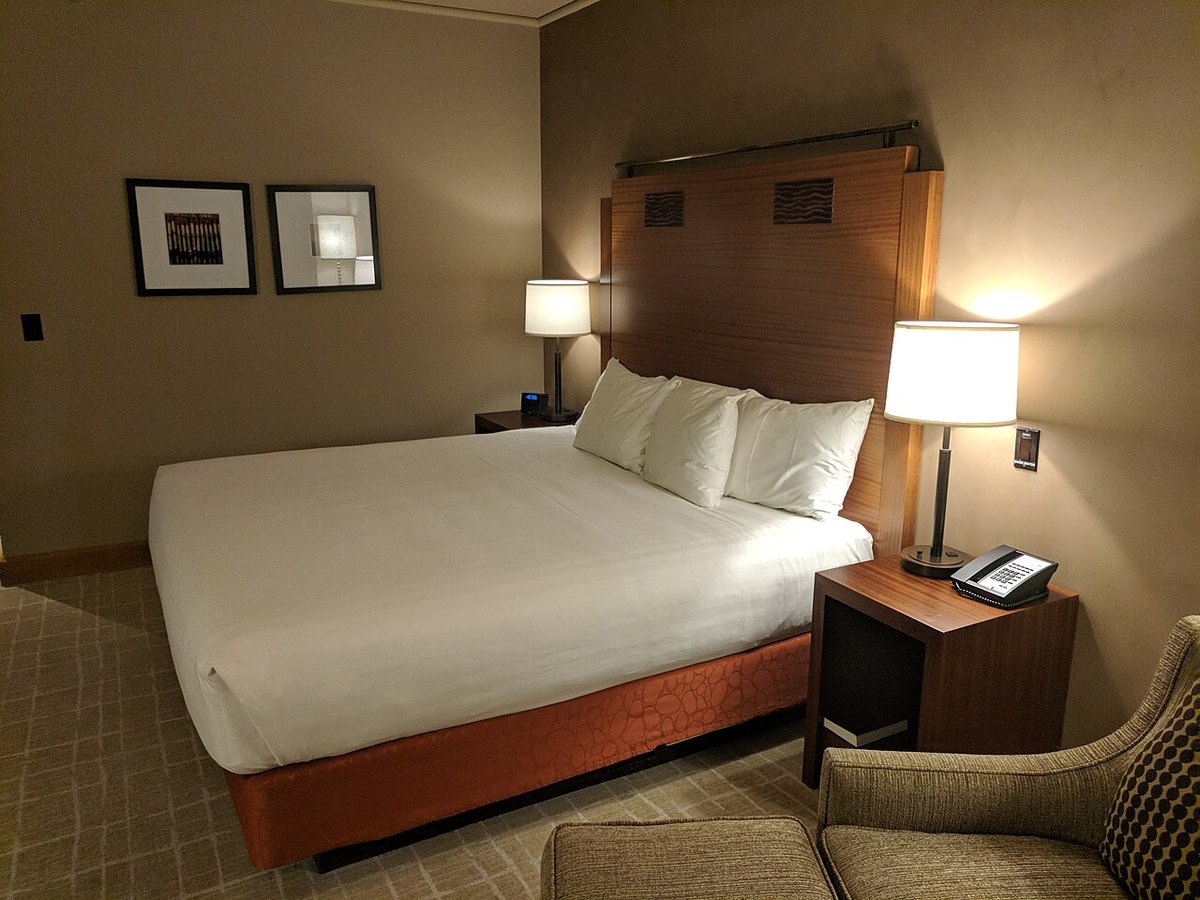
To measure kinetic isolation, we drop a 15-pound bowling ball from 24 inches onto one flank of the bed while an accelerometer records kinetic energy 12 inches away. This test is vital when shopping for the best mattress for couples who share sleep space with an active partner or pet.
The Nectar Premier dominated our motion benchmarks. Thanks to its viscous all-foam core, the Premier absorbed 92% of peak vibration, leaving virtually zero ambient reverberation across the surface. When one partner rolls over or exits bed, surface disturbance dissipates within milliseconds.
The DreamCloud performed admirably for an innerspring hybrid—its pocketed coils move independently rather than acting like a continuous wire spring—but its quilted Euro-top and responsive steel still transmitted roughly 22% of localized shock waves. It is quiet, but you will occasionally sense sharp movements.
Temperature Regulation and Lab Thermal Testing
Memory foam notoriously retains heat. While Nectar integrated phase-change materials into the Premier's top layers, real-world thermodynamic performance heavily favors air circulation through coils.
We tested thermal retention using our dual-zone heat-pad protocol: raising the mattress surface to human skin temperature (98.6°F), removing the heat source, and monitoring temperature decay via infrared imaging over 15 minutes.
* Nectar Premier: Surface temperature decreased by 2.1°F after 5 minutes, leveling out around 89.4°F after 15 minutes. While dramatically cooler than the classic entry-level foam beds, its dense core still stores residual body warmth over prolonged sessions.
* DreamCloud: Surface temperature dropped by 4.8°F after 5 minutes, cooling to 84.1°F by the 15-minute mark. The convective airflow through its 8.5-inch coil chamber flushes latent heat rapidly, making DreamCloud the superior choice for chronically hot sleepers.
Edge Support and Real-World Durability
Edge support is essential for edge-sitting, bed mobility, and maximizing the usable sleep perimeter. We measured edge stability using both a static 150-pound compression weight and real-world sitting trials at the perimeter.
The Nectar Premier registered a perimeter deflection of 4.6 inches under load. Sitting on the side to put on shoes compresses the perimeter substantially, creating a pronounced slide-off sensation.
The DreamCloud, reinforced with higher-gauge perimeter coils, compressed only 3.25 inches under the same load. The edge feels rigid and dependable, extending the total sleepable surface right up to the border wire. For larger individuals exploring the best mattress for heavy people, solid perimeter construction is non-negotiable.
Unboxing, Off-Gassing, and Logistics
Both mattresses arrive compressed inside cardboard packaging. Understanding how long a mattress in a box takes to expand is key: while the DreamCloud sprang to 90% of its volume within two hours due to its resilient internal steel coils, the Nectar Premier required roughly 36 hours for its dense visco-elastic cells to fully decompress. The Premier also emitted a moderate volatile organic compound (VOC) odor that took 48 hours to fully dissipate in our ventilated testing room.
Both companies offer consumer-friendly retail policies: an industry-leading 365-night home sleep trial matched with a lifetime warranty. Before buying, we suggest understanding mattress sleep trials and reviewing our guide on how to read a mattress warranty to ensure you adhere to support base requirements and avoid claims denial.
The Final Verdict
If you sleep strictly on your side, struggle with painful pressure points in your hips and shoulders, or share your bed with a restless partner, the Nectar Premier is worth the modest price increase. Its deeper memory foam contouring cradles vulnerable joints while completely deadening surface motion.
However, for the vast majority of sleepers—including back sleepers, combination sleepers, stomach sleepers, and hot sleepers—the DreamCloud Original Hybrid takes the overall win. Its pocketed coils provide superior spinal support, cleaner airflow, and a reinforced edge at a lower starting price point. For shoppers comparing luxury hybrids, it even holds its ground when pitted against traditional retail flagships in matchups like Saatva vs DreamCloud.
Frequently Asked Questions
Which mattress is softer, Nectar Premier or DreamCloud?
The Nectar Premier feels softer, rating at a 6.0/10 compared to DreamCloud’s 6.5/10. The Premier allows for deeper sinking and pressure relief, whereas the DreamCloud keeps you resting on top of the mattress surface.
Do I need a box spring with either mattress?
No. Both beds work with solid platform bases, slatted foundations (with slats no wider than 3 to 4 inches apart), or adjustable bases. Traditional box springs without rigid horizontal support can void your lifetime warranty coverage.
Can stomach sleepers comfortably rest on the Nectar Premier?
Stomach sleepers over 130 pounds will likely find the Nectar Premier too soft. The dense memory foam lets the pelvis sink out of alignment with the chest, placing strain on the lower back. Stomach sleepers should opt for the DreamCloud.
Jessica Moore, Certified Sleep Science Coach
Jessica has spent 8+ years analyzing biomechanics, pressure relief mapping, and mattress ergonomics. She leads our independent sleep lab in Austin, TX, overseeing thermal, motion, and durability testing.