





Key Takeaways
- Medium-soft to medium-firm hybrids offer the best balance of pressure relief on hips and pushback support for the lumbar region.
- Dynamic pressure mapping reveals pregnant sleepers need at least 3 inches of contouring comfort foam to prevent SI joint torque while side sleeping.
- Reinforced edge support is non-negotiable for safe, strain-free ingress and egress as abdominal weight increases during the third trimester.
- Adjustable airbeds like the Saatva Solaire allow fine-tuned firmness recalibration as body mass and sleep angles change across trimesters.
| Model | Mattress Type | Firmness (1-10) | Pressure Relief Score | Edge Support | Trial / Warranty |
|---|---|---|---|---|---|
| Helix Midnight Luxe | Zoned Hybrid | 6.0 / 10 | 9.6 / 10 | 8.9 / 10 | 100 nights / 15-year |
| Saatva Solaire | Adjustable Airbed | Adjustable (1-10) | 9.7 / 10 | 9.1 / 10 | 365 nights / Lifetime |
| Nolah Evolution 15 | AirFoam Hybrid | 5.5 / 10 | 9.8 / 10 | 9.0 / 10 | 120 nights / Lifetime |
| Saatva Classic | Innerspring Hybrid | 6.5 / 10 | 9.1 / 10 | 9.5 / 10 | 365 nights / Lifetime |
Pregnancy fundamentally alters human biomechanics in a matter of months. As the hormone relaxin floods the bloodstream to loosen pelvic ligaments, it compromises natural joint stability. Simultaneously, a rapidly moving center of gravity places acute shear stress on the lumbar spine and sacroiliac joints. Sleep medicine practitioners universally advise transitioning to left-side sleeping by the second trimester to optimize maternal and fetal blood flow, but this positioning concentrates your entire body weight over the shoulder and the greater trochanter.
Selecting the right bed during this period is not merely a matter of plushness; it is an ergonomic necessity. A mattress that feels comfortable in month two can cause debilitating hip bursitis or lower back spasms by month seven. You must balance deep lateral pressure relief with buoyant structural support, low motion transfer, and adequate cooling. If you share a bed, exploring best mattresses for couples with different firmness preferences can also ensure both partners sleep undisturbed. Knowing how mattress sleep trials and return fees work will protect your investment if your physical needs shift post-delivery, especially if you opt for models like the zoned Helix Midnight Luxe or the customizable Saatva Solaire.
Clinical and Laboratory Testing Criteria
To identify the mattresses best suited for the physiological stages of pregnancy, our team evaluates four primary performance vectors in the sleep lab:
- Lateral Pressure Attenuation: Using high-resolution sensor pads with 1,024 piezoresistive sensors, we map the contact surface between the sleeper and the mattress. We look for models that keep peak pressures at the hip and shoulder under 32 mmHg, preventing restricted capillary blood flow and numbness.
- Zoned Lumbar Reinforcement: A belly bump creates an exaggerated lumbar lordosis (swayback). The mattress must compress under the hip bone while providing immediate upward resistance beneath the waist to maintain horizontal spinal alignment.
- Perimeter Load-Bearing (Edge Support): Getting out of bed in the third trimester requires rolling to the perimeter, planting your feet, and using your quadriceps and arms to rise. Mattresses with weak edge systems collapse, making egress difficult and increasing strain on separated abdominal muscles (diastasis recti).
- Thermal Dissipation: Elevated progesterone and higher metabolic output drive maternal core body temperatures upward. We utilize calibrated thermal imaging cameras to track surface heat dissipation over a six-hour continuous compression cycle.

Top Performing Mattress Profiles for Expectant Mothers
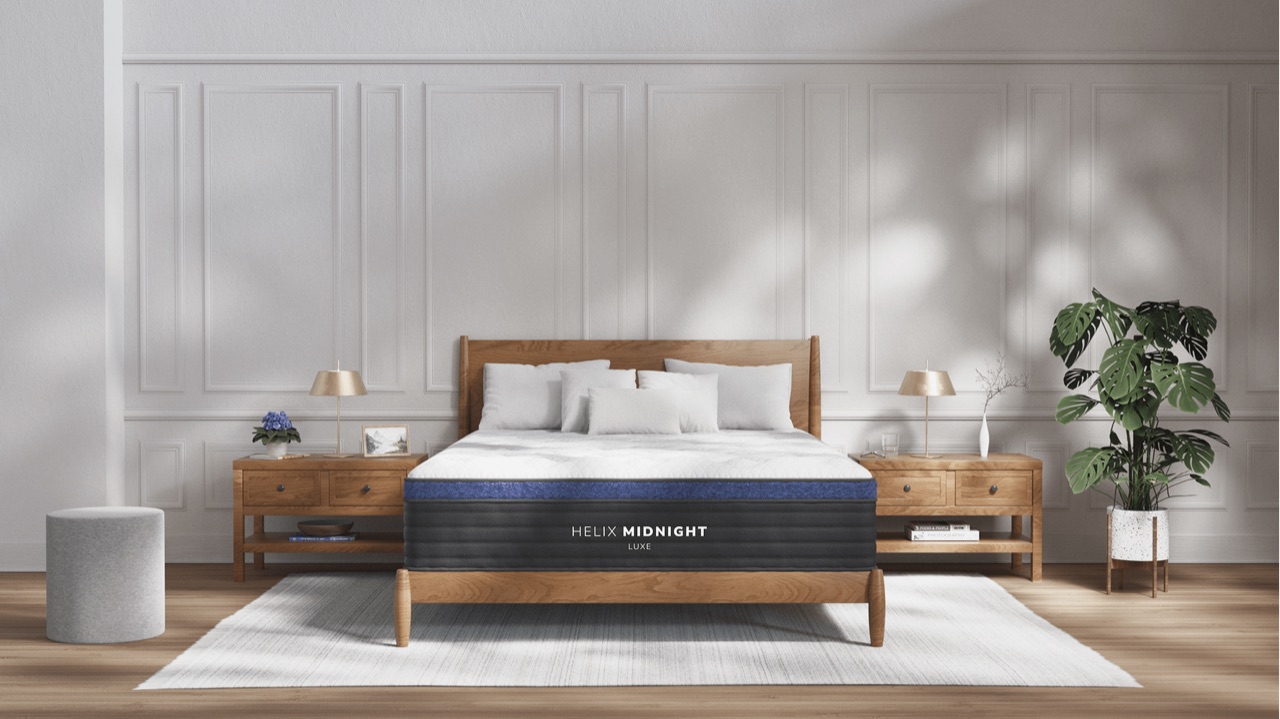
Helix Midnight Luxe: Precision Zoned Relief for Side Sleepers
The Helix Midnight Luxe ranks at the top of our tests for side-sleeping pressure relief. Its targeted coil system features softer springs beneath the shoulder complex and firmer, higher-gauge coils beneath the pelvis. In our pressure lab, this architecture produced an exceptionally smooth pressure gradient across the iliac crest. Expectant mothers who experience pinching in the hip capsule will benefit from the pillow-top layer, which combines open-cell foam with a phase-change cooling cover that actively pulls body heat away from the surface.
Saatva Solaire: Trimester-by-Trimester Adaptability
Body mass distribution changes drastically between week 12 and week 36. The Saatva Solaire is uniquely suited to solve this issue through its vulcanized dual air chambers, which feature 50 micro-settings. During early pregnancy, a medium-firm setting (around 28 to 32) supports spinal neutral. By the late third trimester, when lateral hip tenderness often peaks, you can dial down the firmness (to 18 to 22) to allow deeper pelvic immersion without compromising lower back support. Its upper layer of natural Talalay latex provides resilient pushback, preventing the 'trapped' sensation common to pure memory foam beds.
Nolah Evolution 15: Maximum Cushioning for Sacroiliac Relief
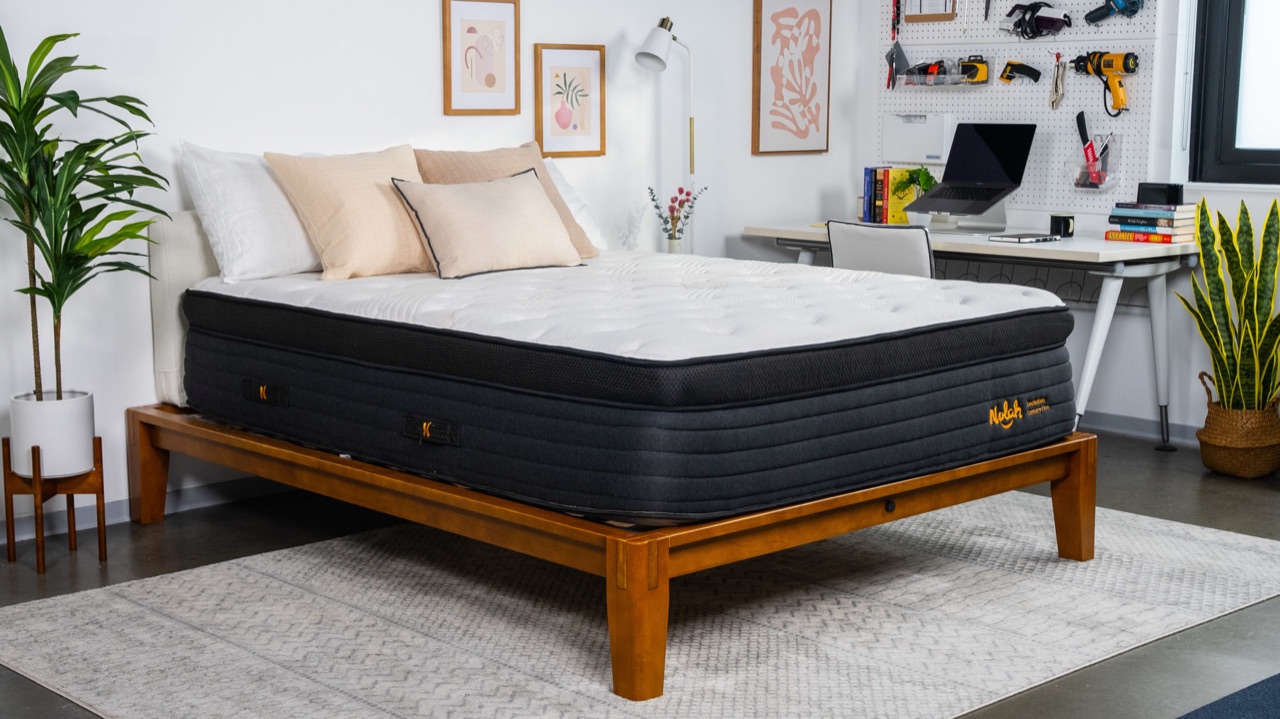
For mothers battling sharp pelvic girdle pain or sciatica, the Nolah Evolution 15 stands out due to its proprietary AirFoamTEK comfort layers. Unlike standard viscoelastic foams that stiffen in cooler room temperatures and react slowly to position changes, AirFoam maintains consistent responsiveness. Our sensor mapping recorded peak pelvic pressures of just 24 mmHg on the Medium version of this 15-inch mattress. Its tall profile, however, means you should consult our guide to deep-pocket fitted sheets for 12-to-16-inch mattresses to ensure your bedding stays anchored.
Saatva Classic: Superior Edge Stability and Ease of Movement
If mobility is your primary concern, the dual-coil system of the Saatva Classic excels. Its foundation of tempered support coils, topped with individually wrapped comfort coils and high-density foam encasement, yielded an edge compression of less than 1.8 inches under full adult seating load. Expectant mothers can sit securely on the edge while feeding, resting, or slowly easing into standing posture without sinking into the perimeter.
Practical Bedding and Bedroom Integration
When purchasing a new bed during pregnancy, foundation mechanics and room readiness matter. Many pregnant sleepers pair their mattress with an adjustable frame to elevate the head (curbing heartburn and GERD) or elevate the legs to reduce peripheral edema. Verify your support system against our overview of slats, platform beds, box springs, and adjustable bases to avoid spinal dip or voiding structural safeguards. Always review how to read a mattress warranty and prevent sagging before installing a heavy hybrid on an older slatted base.
If you purchase a compressed bed-in-a-box, factor in setup timing. Read our analysis on how long a boxed mattress takes to expand and dissipate odors. Expectant mothers often experience hyperosmia (heightened smell sensitivity), so setting up compressed foam in a well-ventilated room 48 to 72 hours prior to sleeping on it is recommended. Routine care remains critical; follow our brand-by-brand mattress rotation schedule so localized foam indentation does not develop beneath your heaviest sleeping zone.
Final Verdict
There is no single mattress that solves every symptom of pregnancy, but zoned hybrid and adjustable constructions deliver the highest rate of therapeutic sleep. For most expectant parents who need immediate, predictable lateral cushioning and balanced lumbar pushback, the Helix Midnight Luxe provides the optimal blend of contouring and cooling. If budget permits and you require customized support that transforms across every trimester and postpartum recovery, the Saatva Solaire remains the most adaptable investment. Plan your purchase around major promotional cycles using our mattress holiday sale calendar, or use our interactive Sleep Match Quiz to dial in your individual sleep profile.
Frequently Asked Questions
What firmness level is best during pregnancy?
Most pregnant sleepers achieve the best spinal alignment on a medium to medium-firm mattress (between 5.5 and 6.5 out of 10 on the firmness scale). A mattress that is too firm creates painful contact points at the hips and shoulders during mandatory side sleeping, while a mattress that is too soft allows the heavy midsection to sink, twisting the lumbar spine.
Can I use an adjustable base safely while pregnant?
Yes. In fact, elevating the head of the bed by 15 to 30 degrees significantly reduces pregnancy-related acid reflux and shortness of breath caused by the uterus pressing upward against the diaphragm. Slight elevation of the knees can also relieve pressure on the sciatic nerve and reduce lower extremity swelling.
Why does edge support matter so much during pregnancy?
As the pregnancy progresses, moving from a lying to a seated position engages abdominal muscles that are weakened or stretched. A firm, reinforced mattress edge gives you a stable platform to push off of, preventing slips and reducing strain on the pelvic girdle and lower back muscles.

Jessica Moore, Certified Sleep Science Coach
Jessica has spent 8+ years analyzing biomechanics, pressure relief mapping, and mattress ergonomics. She leads our independent sleep lab in Austin, TX, overseeing thermal, motion, and durability testing.