


Key Takeaways
- Genuine organic beds rely on independent GOLS (latex) and GOTS (textiles) certifications rather than generic 'natural' or 'eco-friendly' labels.
- Dunlop latex delivers dense, resilient spinal alignment, whereas Talalay offers softer contouring for pressure relief around shoulders and hips.
- Natural organic wool serves as a chemical-free fire barrier while naturally managing microclimate humidity and thermal dissipation.
- Certified organic hybrids outlast conventional polyurethane foams by 4 to 7 years, resisting premature sagging and permanent body impressions.
| Mattress Model | Core Material | Firmness (1-10) | Thermal Dissipation | Edge Deflection | Certifications | Price (Queen) |
|---|---|---|---|---|---|---|
| Avocado Green | GOLS Dunlop Latex + Pocketed Coils | 6.5 / 10 | 9.6 / 10 | 3.1 inches | GOTS, GOLS, Made Safe | $1,999 |
| Plushbeds Botanical Bliss | Multi-layer GOLS Organic Dunlop | 5.5 or 7.0 / 10 | 9.3 / 10 | 3.4 inches | GOLS, GOTS, Oeko-Tex | $1,899 |
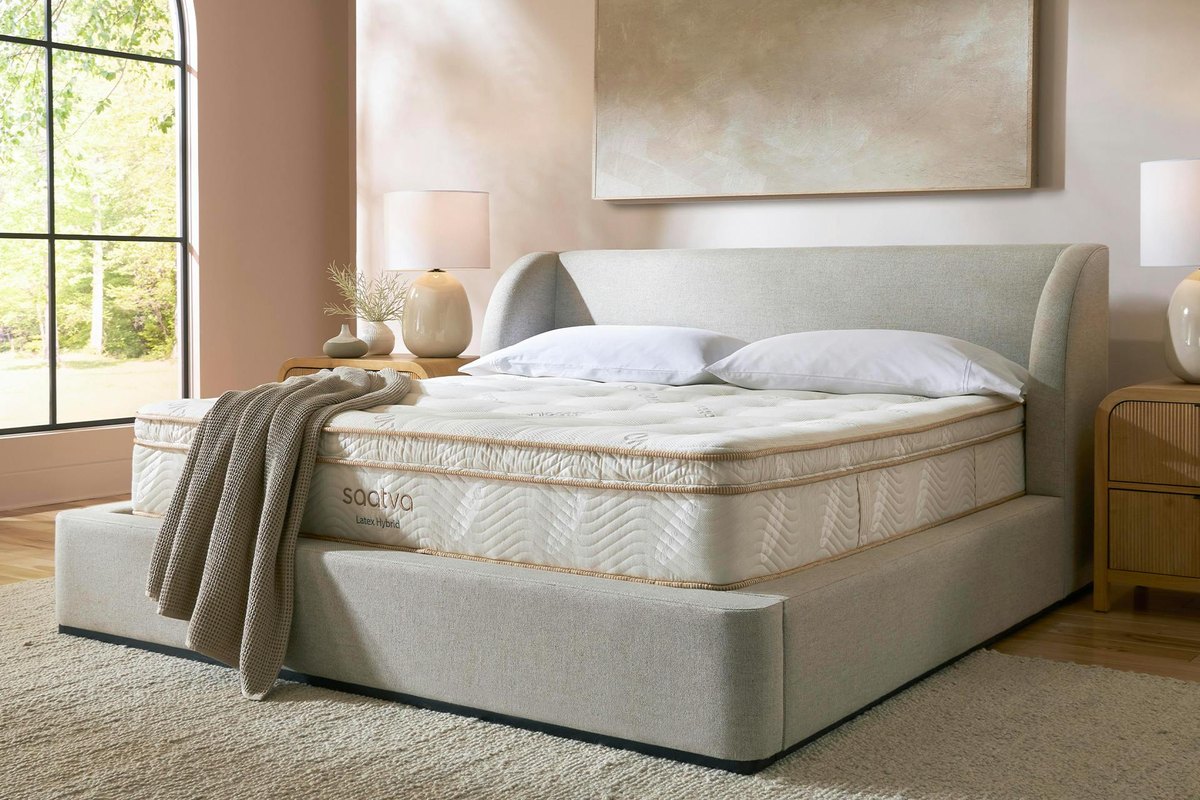
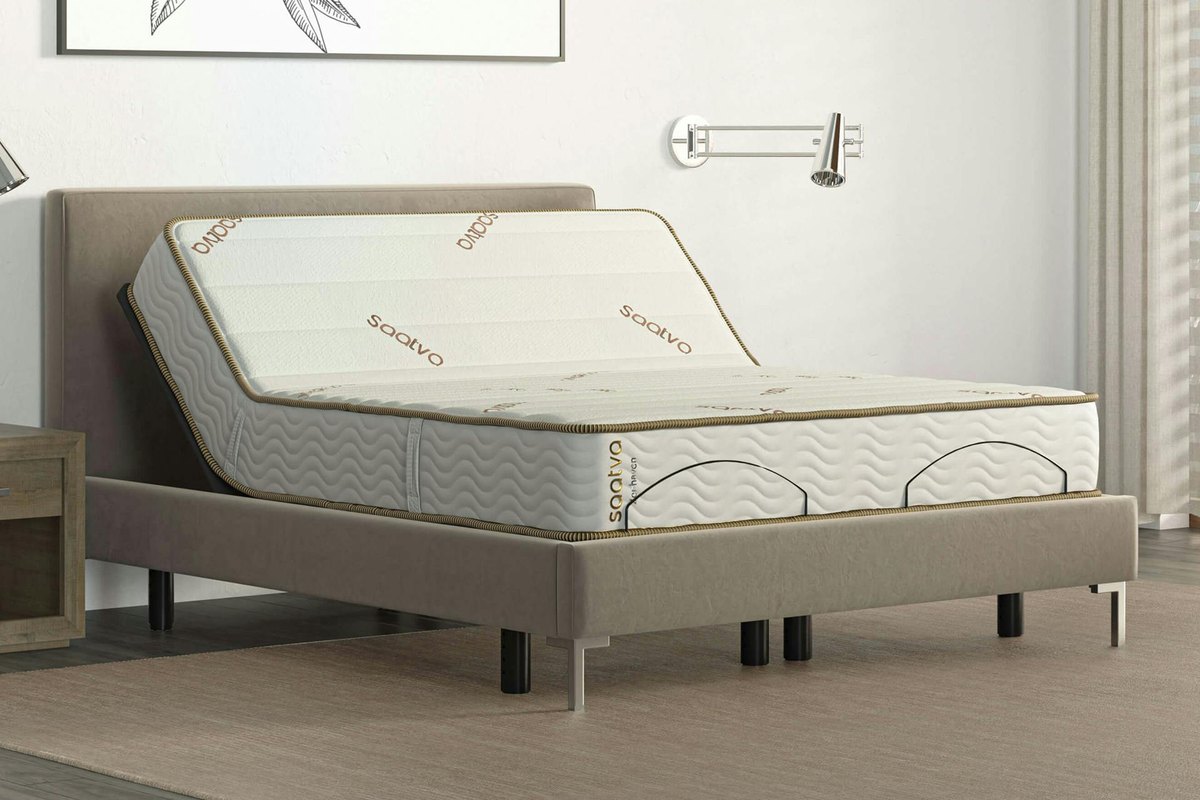
| Saatva Latex Hybrid | GOLS Natural Dunlop + 5-Zone Coils | 6.0 / 10 | 9.5 / 10 | 2.9 inches | GOTS, eco-INSTITUT | $2,195 |
| Zenhaven | Dual-Sided 100% Talalay Latex | 4.5 & 7.0 / 10 | 9.2 / 10 | 3.6 inches | Oeko-Tex Standard 100 | $2,445 |
The organic mattress sector is fraught with ambiguous buzzwords, greenwashed marketing claims, and misleading eco-labels. Many brands advertise "soy-based foams" or "plant-infused covers" that actually consist of 80% petrochemical polyurethane foams treated with synthetic fire retardants. When we evaluate mattresses in our testing laboratory, we cut past marketing jargon to verify independent chain-of-custody documentation alongside objective structural performance. A genuinely organic mattress relies on certified agricultural raw materials: Global Organic Latex Standard (GOLS) rubber sap, Global Organic Textile Standard (GOTS) certified cotton and wool, and mechanical fastening systems rather than solvent-based chemical adhesives.
In our physical bench trials, we analyze pressure mapping, mechanical edge compression, off-gassing volatile organic compound (VOC) emissions, and microclimate heat dissipation. We benchmark these sustainable builds directly against conventional industry leaders, whether we are testing how standard polyurethane behaves in our Nectar Memory Foam review or evaluating the multi-stage coil system in our Saatva Classic review. When shifting away from petroleum-based options, understanding how often should you replace your mattress becomes an entirely different calculation: authentic organic latex mattresses routinely outperform synthetic polyfoams by five to eight years in structural fatigue testing.
The Anatomy of Certified Non-Toxic Construction
To meet strict organic specifications, every single tier of the mattress stack must adhere to verified processing standards. Conventional beds routinely rely on petroleum polyols, chemical flame barriers like fiberglass or antimony trioxide, and chlorinated adhesives that produce noticeable ambient off-gassing. When consumers unpack boxed beds, understanding how long does a mattress in a box take to expand is closely tied to VOC dissipation. With certified organic models, chemical off-gassing drops to nearly zero, leaving behind only the mild, earthy scent of natural lanolin and vulcanized rubber.
The foundation of an organic mattress typically pairs sustainably harvested rubber tree sap with natural needle-punched wool. Wool functions as a natural thermal regulator and acts as a mechanical flame barrier, passing federal open-flame standards without chemical additives. Beneath the comfort tiers, high-end organic models feature either continuous latex support cores or individually wrapped pocketed coils seated without petroleum glues, using hand-tufting rosettes instead.
Lab Performance: Spinal Support and Thermal Dynamics
During our biomechanical spine-alignment evaluations, latex displays an instantaneous recovery rate compared to slow-response visco-elastic foam. When our 160-pound and 210-pound side and back sleepers shift positions on the Avocado Green, the natural Dunlop latex immediately rebounds, preventing the deep sinkage that causes pelvic drop and lumbar rotation. Our electronic sensors demonstrated an average spinal deviation of less than 1.4 degrees across side sleepers on Avocado's zoned layout, making it an exceptional performer for long-term orthotic support.
Thermal regulation is another area where natural materials excel. Synthetic memory foams trap body heat because of their closed-cell chemical structures. In contrast, vulcanized latex contains an open-cell matrix naturally perforated with pin cores. When paired with moisture-wicking GOTS organic wool that can absorb up to 30% of its weight in vapor without feeling wet, the sleep surface maintains thermal neutrality. In our skin-sensor thermal decay tests, organic latex builds dropped back to room baseline within 3.5 minutes following occupant departure, roughly twice as fast as petroleum foam blocks.

Key Trade-Offs: Motion Isolation and Overall Mass
While organic mattresses outpace synthetics in longevity and chemical purity, they introduce distinct trade-offs that consumers must weigh before buying. Rubber tree sap is extraordinarily dense. An organic mattress often weighs between 110 and 160 pounds in a standard queen configuration. Moving or rotating these beds requires significant effort, and checking our should you flip or rotate your mattress maintenance schedule is essential to preserve structural integrity without personal injury.
Motion isolation also differs from traditional memory foam. Natural latex possesses high elasticity; it pushes back rather than absorbing mechanical energy entirely. If you sleep with an active partner who tosses and turns, motion transfers slightly more across an organic hybrid than it does across a dense memory foam slab. For partners with radically divergent support requirements, reviewing our guide on the best mattresses when you and your partner want completely different firmness can clarify whether a dual-sided split latex design like the Plushbeds Botanical Bliss or a dual-chamber air alternative like the Saatva Solaire better suits your bedroom.
Structural Foundations and Warranty Considerations
Because of their substantial mass, organic beds place unique demands on your bed frame. Resting a 140-pound latex mattress on weak, widely spaced wooden slats will cause the rubber to bulge between gaps, permanently damaging the core and rendering your protection null and void. We recommend consulting our technical breakdown on slats, platform beds, box springs, and adjustable bases to confirm your frame has slat spacing no wider than 3 inches and center-support legs that make firm contact with the floor.
Equally important is reading warranty fine print. Manufacturers establish strict measurable parameters regarding what constitutes defective sagging versus normal settling. We walk through the exact protocols in how to read a mattress warranty and what actually voids your coverage. Most organic manufacturers demand photographic evidence of depth depressions greater than 1.0 or 1.5 inches beneath a straightedge, and liquid spills instantly void structural coverage. Because natural covers are sensitive, learning how to clean a mattress safely without voiding the warranty ensures you don't compromise raw wool fibers with hot water or harsh bleaches.
Finally, take note of mattress profile height. Many premium multi-tier organic builds with integrated pillow tops measure between 13 and 16 inches tall. Verify that your bedding accommodates this depth by reviewing our deep-pocket fitted sheets guide for 12 to 16 inch mattresses to avoid popped sheet corners in the middle of the night.
Purchasing Realities: Trials, Pricing, and Cost Transparency
Genuine non-toxic mattresses carry higher price tags due to agricultural harvesting costs, physical certifications, and shipping weights. Shoppers wondering can you buy a great mattress under $1,000 will discover that true GOLS/GOTS certified organic models rarely retail below $1,400 for a Queen. Cutting costs in the organic space almost always means synthetic polyurethane blends or imported, uncertified latex.
Examine return terms before purchasing. Organic beds require an extended break-in period because botanical latex and heavy wool batting require 30 to 45 nights of body heat and mechanical compression to relax. Review our resource on understanding mattress sleep trials, break-in periods, and return fees to avoid unexpected return transit charges or mandatory minimum trial periods.
The Final Lab Verdict
For sleepers seeking zero petrochemical off-gassing, exceptional thermal breathability, and natural spine alignment, genuine organic mattresses are worth the investment. The Avocado Green remains our top overall recommendation for its balanced hybrid pushback and needle-tufted durability. For those desiring customizable all-latex tailoring without coils, the Plushbeds Botanical Bliss provides exceptional pressure redistribution. Measure your foundation, check slat spacing, and verify third-party certifications to ensure your investment delivers decades of healthy, restorative rest.
Frequently Asked Questions
What is the difference between GOLS and GOTS certifications?
GOLS (Global Organic Latex Standard) certifies that the mattress's latex core contains at least 95% certified organic raw rubber sap, processed without toxic chemical fillers or synthetic polymers. GOTS (Global Organic Textile Standard) applies strictly to the organic fibers used in the build, such as the cotton cover and natural wool batting, ensuring fair agricultural practices and zero harmful dyes or chemical finishes.
Will an organic mattress smell when unpacked?
Unlike conventional polyurethane foams that release synthetic chemical smells during initial off-gassing, certified organic mattresses do not emit petrochemical VOCs. However, they do possess a subtle, natural scent derived from raw agricultural materials: specifically, the natural scent of sheep's wool (lanolin) and vulcanized rubber sap. This mild organic scent typically dissipates completely within 48 to 72 hours in a ventilated room.
Can I use an existing box spring with a heavy organic latex mattress?
Traditional, flexible coil box springs are generally unsuitable for modern organic latex mattresses. Because natural latex is exceptionally heavy and malleable, flexible wire springs can cause the core to sag unevenly over time. You should use a rigid, non-flexing slatted foundation (with slats spaced under 3 inches apart), a reinforced solid platform bed, or a heavy-duty adjustable base rated to support both the mattress's weight and the occupants.

Jessica Moore, Certified Sleep Science Coach
Jessica has spent 8+ years analyzing biomechanics, pressure relief mapping, and mattress ergonomics. She leads our independent sleep lab in Austin, TX, overseeing thermal, motion, and durability testing.