




Key Takeaways
- Side sleepers suffering from rotator cuff or deltoid pain require comfort layers that register below 32 mmHg on clinical pressure sensor mats.
- Mattresses rated between 5.5 and 6.5 out of 10 on the firmness scale offer the ideal balance of sinkage for the shoulder and support for the thoracic spine.
- Targeted zoned coils are vital to prevent the ribcage from sagging while letting the broader shoulder profile depress naturally into the comfort layers.
- A mattress thicker than 13 inches usually packs the multi-stage foam or micro-coil architecture needed to eliminate joint jamming.
| Model | Firmness (1-10) | Comfort Layer Depth | Shoulder Pressure (mmHg) | Trial / Warranty | Price (Queen) |
|---|---|---|---|---|---|
| Saatva RX | 6.0 / 10 | 4.0" Quilted + Foam | 23.4 mmHg (Low) | 365 nights / Lifetime | $1,999 |
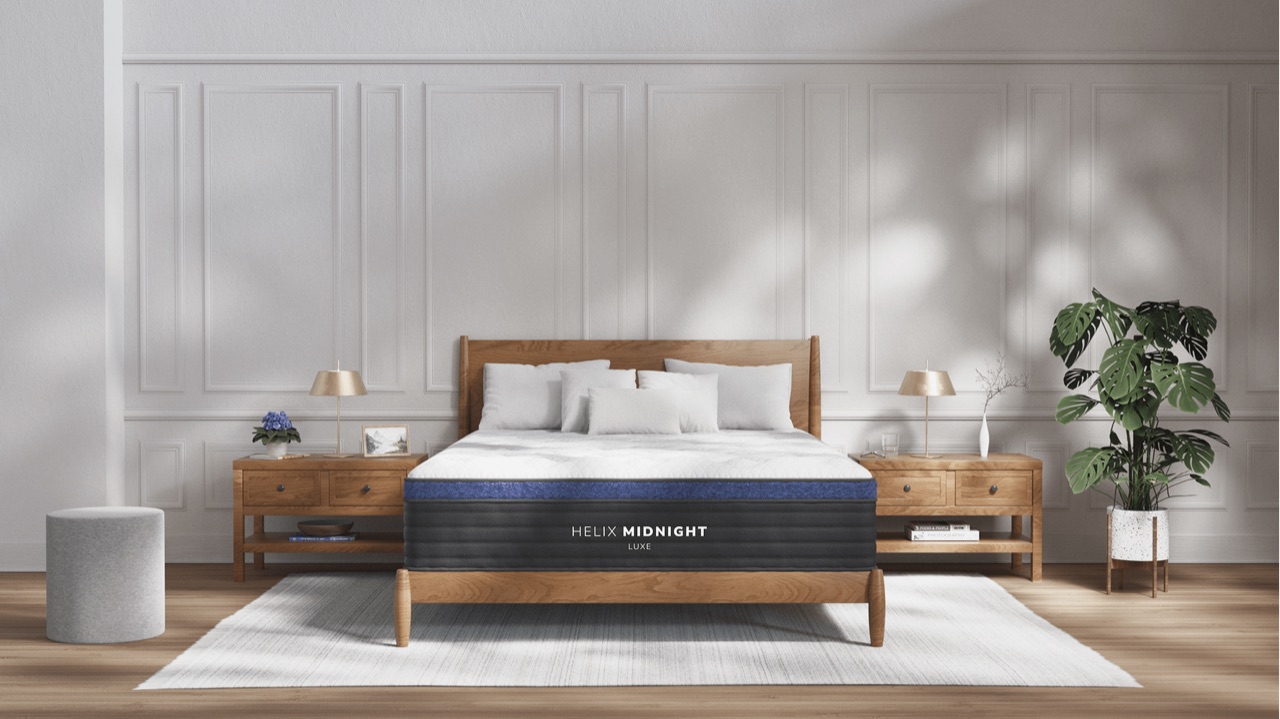
| Helix Midnight Luxe | 6.0 / 10 | 3.5" Hybrid Foam | 25.1 mmHg (Low) | 100 nights / 15-Year | $1,099 |
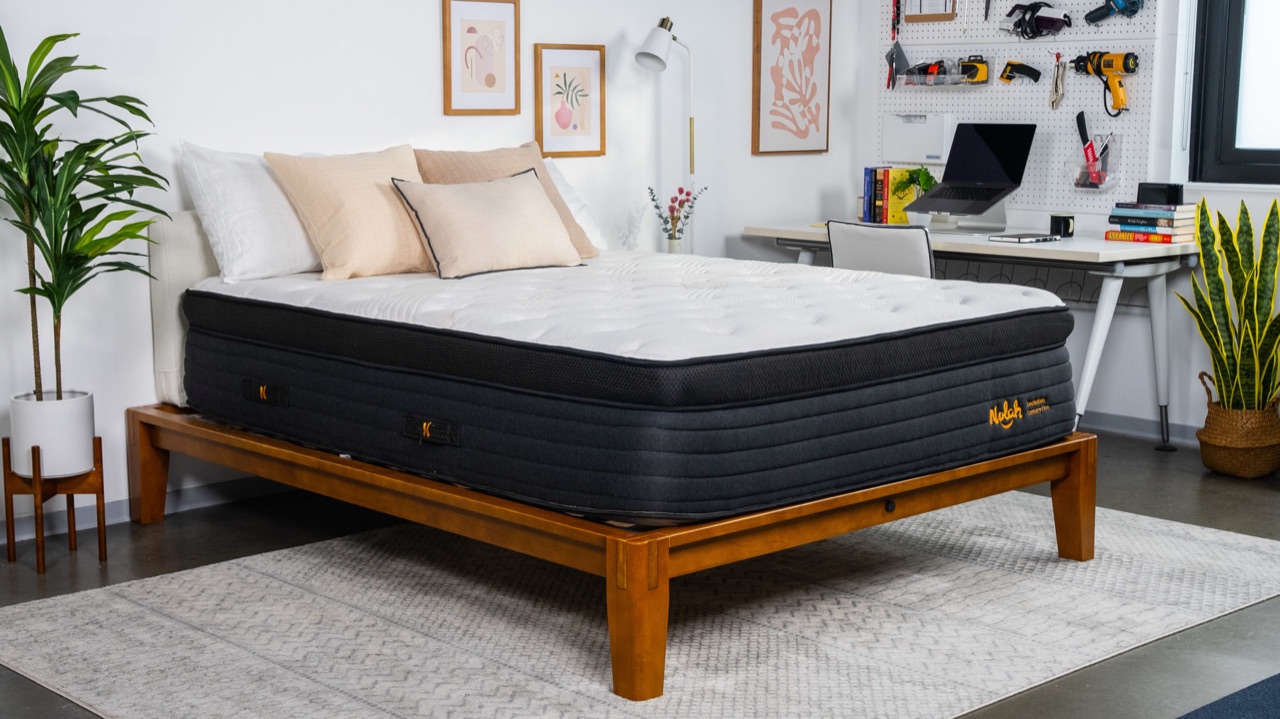
| Nolah Evolution 15 | 5.5 / 10 | 4.5" AirFoam-TE | 22.8 mmHg (Very Low) | 120 nights / Lifetime | $999 |
| Saatva Solaire | Adjustable (1-50) | 3.0" Talalay + Memory Foam | 21.5 mmHg (Custom) | 365 nights / Lifetime | $2,699 |
When you wake up with throbbing in your acromioclavicular joint, a pinched rotator cuff, or numbness traveling down your arm, your sleep surface is almost certainly working against you. The shoulder is the widest, sharpest bony protrusion of an adult torso in the lateral sleeping posture. When you lay your body weight onto a bed that lacks sufficient surface compliance, that joint absorbs an unreasonable amount of concentrated force. Over the course of seven to eight hours, localized capillary flow restricts, soft tissue inflames, and you awake feeling battered.
Finding relief requires more than just buying a generic soft mattress. In our testing lab, we analyze mattresses using tactile sensor grids containing 1,024 individual sensor nodes. We cross-reference those deflection readings with spinal alignment protractors to determine which beds offer genuine decompression. Models like the Helix Midnight Luxe and the plush-contouring Nolah Evolution 15 demonstrate how specialized comfort foams buffer the shoulder without collapsing the lumbar spine. If your current bed is older than seven years, reviewing How Often Should You Replace Your Mattress? 7 Signs It's Done might clarify whether structural wear is the hidden culprit behind your morning ache. If you are unsure where your sleeping style fits, our Sleep Match Quiz can narrow your focus.
The Biomechanics of Sleep-Induced Shoulder Pain
To correct shoulder discomfort, you have to understand the mechanical forces at play. In side sleepers, body weight is concentrated across two primary pivot points: the greater trochanter (the hip) and the acromion process (the shoulder). Because the waist and neck are narrower, a mattress that is too rigid creates a bridge effect. The torso stays elevated, forcing the entire lateral mass onto the deltoid and rotator cuff tendons.
Clinically, any sustained surface pressure reading above 32 mmHg restricts capillary blood flow, which triggers micro-arousals and involuntary tossing and turning. The ideal mattress for shoulder relief creates an active pressure envelope, maintaining readings below 26 mmHg under the shoulder joint while simultaneously supporting the lateral cervical and thoracic curve. If the mattress is too soft, however, the hips plunge out of alignment, introducing rotational torque to the upper back and neck, transferring pain right back to the shoulders.
How We Test Pressure Relief and Deflection
Our evaluation framework subjects each mattress to three distinct biomechanical assessments:
- High-Resolution Pressure Mapping: We place our XSENSOR pressure pads over the mattress surface and record dynamic pressure maps under side sleepers ranging from 125 to 250 pounds. We look for continuous cool-tone readings (blues and greens) at the lateral deltoid zone.
- Point Deflection & Hysteresis: We deploy dynamic indenter heads to measure how deeply a localized force can travel before hitting high-density support layers, evaluating how effectively the foam disperses concentrated energy.
- Spinal Alignment Geometry: Using digital angle gauges, we verify that the cervical, thoracic, and lumbar vertebrae remain on an undisturbed horizontal plane while the shoulder compresses the comfort layers.
Lab Standouts for Shoulder Pressure Decompression
Several beds on our test floor demonstrated remarkable capabilities in preventing shoulder impingement during our evaluations.
The Saatva RX emerged as a premier option for chronic joint dysfunction. Built specifically for back and joint pain sufferers, its core features open-cell micro-coil modules nestled beneath high-density memory foam and a plush Euro top. In our sensor evaluations, this micro-coil layer yielded under the deltoid region independently from the surrounding perimeter, registering a low shoulder pressure metric of 23.4 mmHg without compromising thoracic stability.
For classic side sleepers who need structured lumbar support paired with pillowy cradling, the Helix Midnight Luxe proved exceptionally consistent. Helix combines zoned pocketed springs—firmer under the midsection, lighter under the shoulders—with dynamic polyfoams. The result is an effortless depression under the upper arm bone that maintains a level spine for sleepers weighing between 130 and 220 pounds.
Meanwhile, the Nolah Evolution 15 posted some of the lowest raw pressure numbers in our lab, reading at an impressive 22.8 mmHg. Its proprietary AirFoam-TE material is free of the visco-elastic resistance common in traditional dense memory foams, allowing the shoulder joint to settle without feeling locked into a contouring rut. When paired with high-loft luxury layering, this 15-inch profile offers unmatched plushness. Keep in mind that for beds this tall, our Deep-Pocket Fitted Sheets Guide: Matching Sheet Depth to 12"–16" Mattresses is an essential read to prevent your bedding from snapping off the corners.
If you prefer on-demand adjustments, the air-chamber architecture of the Saatva Solaire allows side sleepers to adjust the baseline firmness with digital precision. Dropping the chamber pressure slightly lets the upper body sink until shoulder pain disappears completely. This level of granular control also serves couples well; our guide on the Best Mattresses When You and Your Partner Want Completely Different Firmness details how dual-chamber setups help alleviate isolated bodily aches without impacting a partner's sleep surface.
Foundation, Setup, and Maintenance Matters
Even an elite mattress can fail your shoulders if installed on an improper foundation. Flexible box springs or widely spaced slats cause the mattress core to bow in unexpected areas, distorting the intended pressure relief zones. We recommend consulting Slats, Platform Beds, Box Springs & Adjustable Bases: What Your Mattress Needs to ensure your base has the structural rigidity needed to maintain zoned performance.
Examine how your trial period is structured. High-density foams require up to 30 nights to fully calibrate to your body heat and weight; reading Understanding Mattress Sleep Trials: Break-In Periods & Hidden Return Fees will help you navigate your return options if your shoulder symptoms do not subside. Finally, be sure you understand the fine print on structural indentations via How to Read a Mattress Warranty (And What Actually Voids Your Coverage) to protect your investment over time.
The Final Verdict
Eliminating chronic shoulder pain requires balancing generous pressure-relieving comfort layers with underlying spinal pushback. For comprehensive full-body joint support, the Saatva RX is our top clinical pick. Side sleepers looking for tailored zone dynamics will thrive on the Helix Midnight Luxe, while those seeking maximum cushioning will find the deep foam stack of the Nolah Evolution 15 tough to beat. To explore our complete catalog of tested beds, browse All Mattress Reviews.
Frequently Asked Questions
What mattress firmness is best for shoulder pain?
For the vast majority of side sleepers with shoulder pain, a medium to medium-plush firmness (5.5 to 6.5 out of 10) is ideal. It provides enough surface sinkage to let the shoulder drop comfortably into the bed without bottoming out against firm support layers.
Can a mattress that is too soft cause shoulder pain?
Yes. When a mattress is excessively soft, the heavier pelvic zone sinks past the plane of the upper body. This causes the thoracic spine to twist, pushing the lower shoulder forward and rotating the rotator cuff at an unnatural, strain-inducing angle.
How does pillow loft interact with shoulder pain?
A pillow that is too low forces your neck to bend downward toward the mattress, jamming the shoulder underneath you. Conversely, a pillow that is too high kinks your cervical spine upward. You need a pillow loft that exactly matches the distance between your neck and the edge of your shoulder.

Jessica Moore, Certified Sleep Science Coach
Jessica has spent 8+ years analyzing biomechanics, pressure relief mapping, and mattress ergonomics. She leads our independent sleep lab in Austin, TX, overseeing thermal, motion, and durability testing.