





Key Takeaways
- Value equals material density divided by lifespan, not the cheapest upfront promotional price.
- Beds under $1,000 frequently cut corners on transitional foam density, dropping below 1.5 lb/cu.ft.
- The Saatva Classic and DreamCloud Premier offer the best price-to-spec ratio across our standardized bench tests.
- Warranty terms requiring a 1.5-inch impression for coverage drastically lower a mattress's real-world financial value.
| Mattress Model | Type | Firmness (1-10) | Edge Displacement | Thermal Dissipation | Sleep Trial | Queen Price |
|---|---|---|---|---|---|---|
| Saatva Classic | Dual-Coil Innerspring | 6.5 / 10 | 3.1 inches | 4.8°F drop in 5 min | 365 nights | $1,095+ |
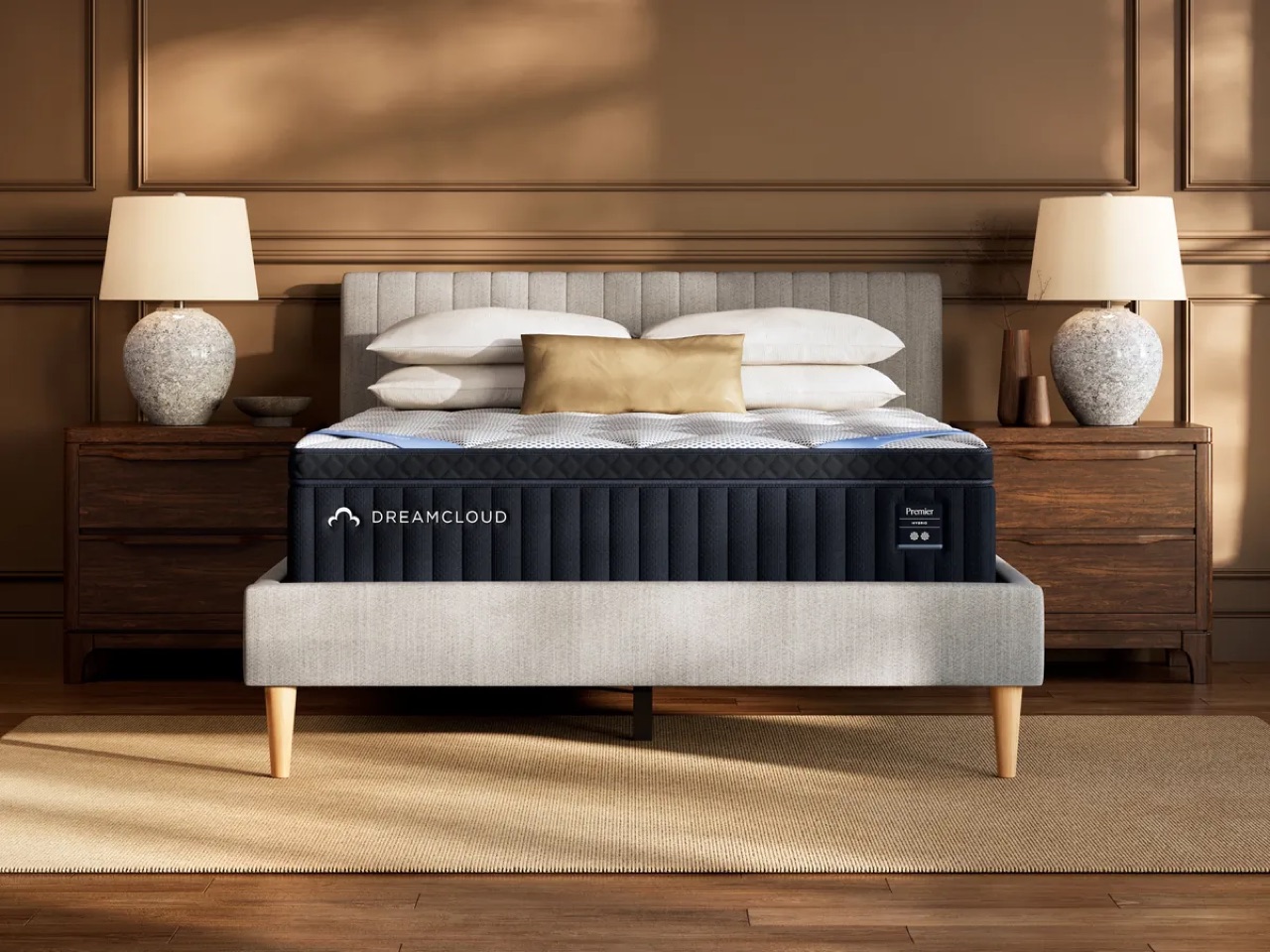
| DreamCloud Premier | Pillow-Top Hybrid | 6.5 / 10 | 3.4 inches | 4.1°F drop in 5 min | 365 nights | $699+ |
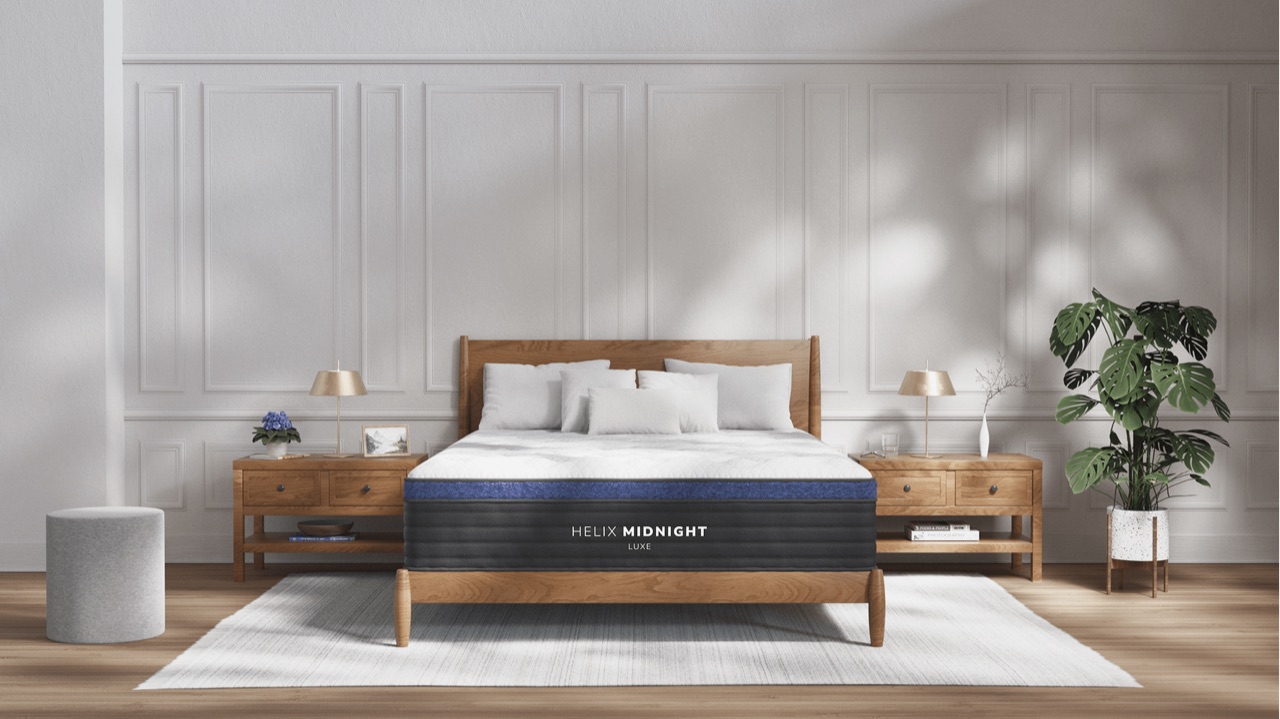
| Helix Midnight Luxe | Zoned Hybrid | 6.0 / 10 | 3.6 inches | 4.4°F drop in 5 min | 100 nights | $1,099+ |
| Nectar Memory Foam | All-Foam | 6.5 / 10 | 4.2 inches | 2.9°F drop in 5 min | 365 nights | $349+ |
Evaluating the best mattress for the money requires stripping away flashy marketing campaigns, seasonal discounts, and inflated MSRPs. When shoppers ask whether you can buy a great mattress under $1,000, our answer depends strictly on construction specifications. A $600 bed that degrades and forms body indentations within eighteen months costs you significantly more per night than a $1,200 mattress that maintains its physical integrity for a decade. The transition from legacy brick-and-mortar stores to online commerce disrupted pricing models, but bed-in-a-box vs. showroom mattresses comparisons reveal that markup strategies have simply evolved rather than disappeared.
To identify genuine value, our testing facility examines the physical mechanics of each mattress. We track how raw raw materials perform when subjected to real physiological loads: measuring pressure dissipation across high-stress zones, logging heat retention via thermal sensors, and calculating structural perimeter integrity. Knowing when mattresses go on sale throughout the year can save you an additional 15% to 25%, but baseline engineering determines whether an affordable mattress like the Nectar Memory Foam or a premium hybrid represents a prudent long-term investment.
The Engineering Behind True Mattress Value
Price tags rarely tell the full truth about what is inside a mattress. True value is rooted in measurable build quality: core steel coil gauges, layer densities, and perimeter reinforcement. In our lab, the mattresses that earn high-value ratings consistently demonstrate three baseline structural benchmarks:
- Foam Density Over Thickness: Cheap mattresses inflate their profile height using low-density polyfoam (under 1.5 lbs/cu.ft.) that collapses under regular load. High-value memory foam should register at least 3.0 to 4.0 lbs/cu.ft. in comfort layers to resist premature softening.
- Coil Gauge and Tensile Strength: In hybrid and innerspring models, lower gauge numbers signify thicker, more durable steel. High-value hybrids pair 13.75- to 15-gauge perimeter support coils with individually wrapped internal coils that absorb compression cycles without snapping.
- Sagging Thresholds and Warranty Terms: A mattress is only as good as the policy backing it. Before buying, review how to read a mattress warranty and its sagging rules. Models that require a 1.5-inch permanent indentation before granting a replacement force you to sleep in an uncomfortable trench for years before qualifying for a claim, whereas value-focused brands cover impressions starting at 0.75 to 1.0 inch.
Equally important are customer-facing trial policies. Examining mattress sleep trials and return fees is critical because hidden return processing fees or mandatory 30-day trial stipulations can quickly offset upfront retail savings.

Lab-Tested Picks: Maximum Performance Per Dollar
1. Saatva Classic: The Gold Standard for Long-Term Value
The Saatva Classic consistently outperforms beds double its price point across our durability evaluations. Built with a dual-coil system, it combines a base of 13-gauge tempered support coils with an upper layer of individually wrapped 14.5-gauge coils, topped with an organic cotton cover and dedicated lumbar active wire. In our lab's edge support assessment, perimeter displacement measured an exceptional 3.1 inches under a 200-pound edge load, outperforming nearly all compressed bed-in-a-box competitors.
Because the mattress arrives uncompressed via complimentary white-glove delivery, the steel coils and high-density foam avoid the mechanical stresses of roll-packing. Setting it on verified foundations—as outlined in our guide to slats, platform beds, box springs, and adjustable bases—preserves its structural resilience well past the eight-year mark.
2. DreamCloud Premier: Luxury Hybrid Architecture on a Budget
For sleepers who prefer a plush Euro-top feel without paying four figures for high-end boutique brands, the DreamCloud Premier is a standout. It features a quilted cashmere-blend Euro-top layered over high-density gel memory foam and 8.5-inch pocketed coils. In our sensor evaluations, it registered an optimal balance of contouring and pushback: back sleepers recorded an average lumbar pressure under 1.1 PSI, preventing hyperextension of the lower spine.
3. Helix Midnight Luxe: Precision Tuning for Side Sleepers
Side sleepers often pay a premium for zoned support to keep their spine level, but the Helix Midnight Luxe delivers targeted ergonomics at a balanced price. It uses zoned pocketed coils that yield under the shoulder while stiffening under the hips. In our alignment tests using digital posture mapping, side sleepers between 130 and 230 pounds maintained horizontal spinal deviation within an acceptable 1.2-degree variance.
4. Nectar Memory Foam: Low-Cost Motion Absorption
At the entry-level tier, all-foam beds often sacrifice support, but Nectar remains an effective option for budget-focused shoppers. During accelerometer testing, a 20-pound drop weight yielded less than 0.08 m/s² of residual lateral vibration, indicating superb motion isolation. Shoppers should simply be patient during unboxing; our study on how long a mattress in a box takes to expand shows that denser all-foam builds require 48 to 72 hours to reach their target firmness and complete initial off-gassing.
How to Protect Your Investment
Selecting a high-value mattress is only half the battle; proper maintenance preserves that value over time. We recommend following a structured schedule for should you flip or rotate your mattress to distribute body impressions evenly across the sleeping surface. Most modern single-sided hybrid and memory foam beds should be rotated 180 degrees every three to six months to prevent premature depression beneath the hips.
Hygiene also dictates longevity. Learning how to clean a mattress safely without voiding the warranty ensures you don't saturate internal foams with harsh chemicals or excessive water, which breaks down cellular foam walls and negates warranty protections. Furthermore, if you choose a taller pillow-top profile, consult our deep-pocket fitted sheets guide to prevent constant sheet slippage and excess friction on the mattress ticking.
Final Verdict
If your goal is balancing long-term durability with reasonable upfront pricing, the Saatva Classic remains our highest-scoring recommendation. Its dual-coil core and heavy-duty edge support resist degradation far longer than budget foam layers. However, if your budget is firmly capped under $800, the DreamCloud Premier provides exceptional hybrid performance, and the Nectar Memory Foam offers class-leading motion isolation for strict side and back sleepers.
Frequently Asked Questions
How much should I reasonably spend on a quality mattress?
A dependable queen mattress constructed with high-density foams and tempered steel coils typically costs between $900 and $1,400. While you can find serviceable options under $700, mattresses priced below $400 routinely cut corners on coil tempering and foam density, leading to premature sagging within two to three years.
How do I know when my current mattress is no longer functional?
Visual sagging beyond one inch, persistent morning stiffness, waking with hip or lower back pressure, and worsening allergy symptoms are primary indicators. Our diagnostic guide on how often to replace your mattress and the signs it is done breaks down the physical benchmarks that indicate your sleep surface has reached structural exhaustion.
Does a higher price tag guarantee better sleep quality?
No. Mattress pricing is heavily influenced by marketing budgets, licensing fees, white-glove logistics, and retail markups. A $3,000 mattress made with low-grade comfort foams will break down faster and cause more spinal misalignment than a thoughtfully engineered $1,100 hybrid matched precisely to your sleep position and body weight.

Jessica Moore, Certified Sleep Science Coach
Jessica has spent 8+ years analyzing biomechanics, pressure relief mapping, and mattress ergonomics. She leads our independent sleep lab in Austin, TX, overseeing thermal, motion, and durability testing.



