



Key Takeaways
- Target 30 to 32 mmHg or lower across the sacrum and shoulder blades to prevent nerve compression while preserving neutral lumbar lordosis.
- A medium-firm feel (6 to 7 out of 10) provides the optimal balance of surface contouring and deep structural resistance for over 80% of back and combo sleepers.
- True zoned support utilizes firmer coil gauges (13.75 to 14.5 gauge) beneath the midsection to prevent pelvic sinkage and morning lumbar stiffness.
- Even the best therapeutic mattress will cause spinal misalignment if paired with sagging foundation slats spaced wider than three inches apart.
| Mattress Model | Feel (1-10) | Lumbar Pressure (mmHg) | Zoned Core Type | Edge Support Deflection | Trial Period | Starting Price |
|---|---|---|---|---|---|---|
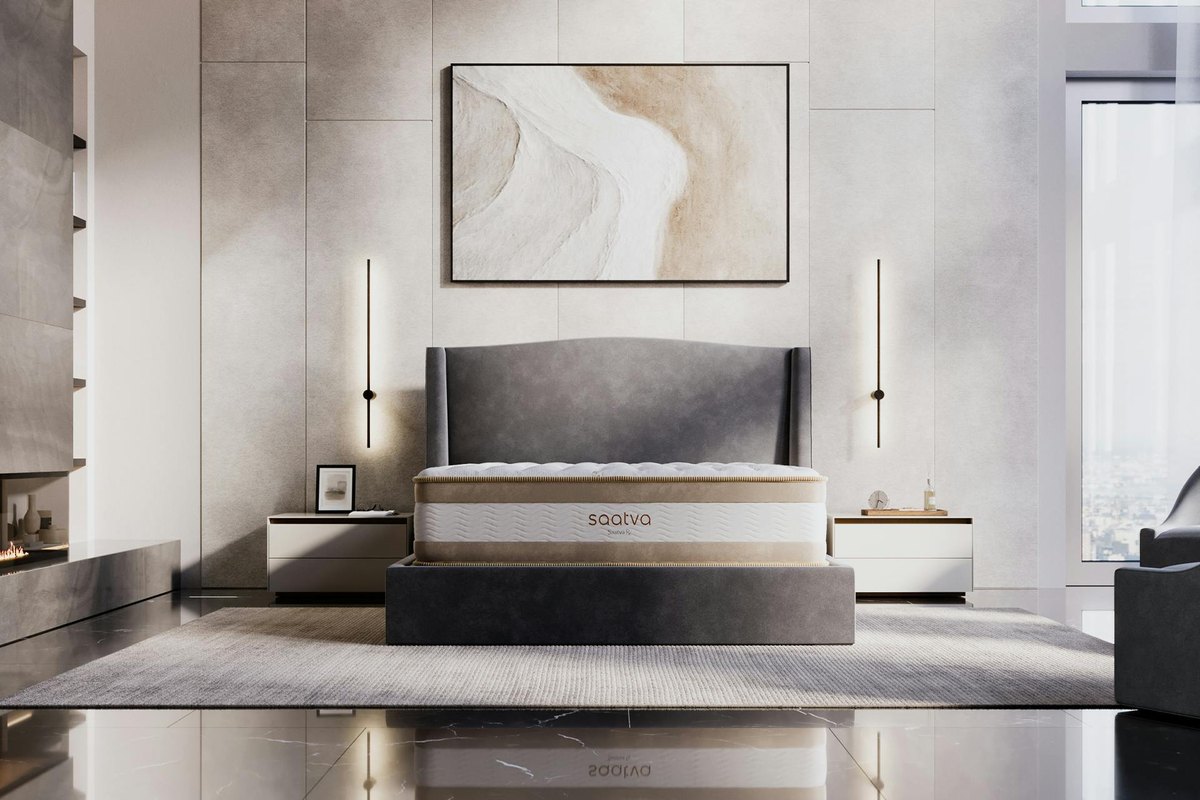
| Saatva RX | 6.5 / 10 | 26.2 mmHg | Micro-coil over pocketed coil with active lumbar quilt | 2.8 inches | 365 nights | $1,999 |
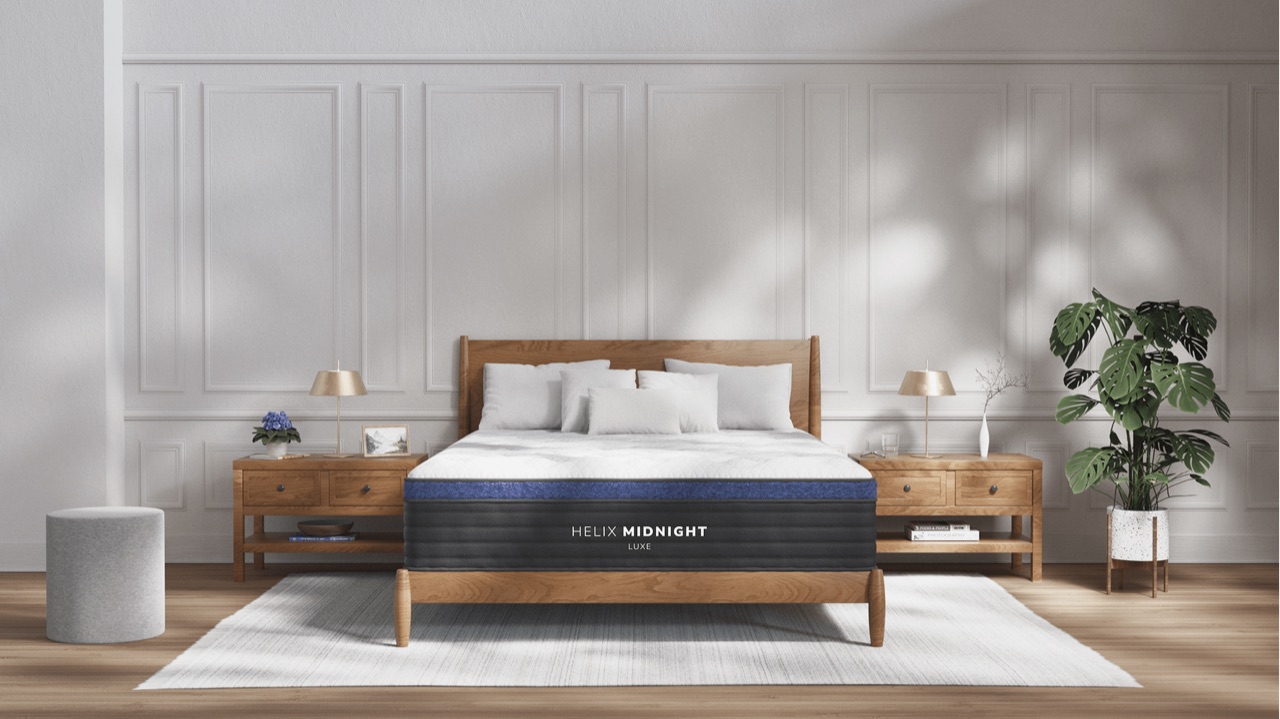
| Helix Midnight Luxe | 6.0 / 10 | 29.1 mmHg | Zoned 8-inch pocketed coils + memory foam | 3.2 inches | 100 nights | $1,099 |
| WinkBeds (Luxury Firm) | 6.5 / 10 | 27.4 mmHg | Zoned pocketed coils with LumbarLayer gel pad | 2.6 inches | 120 nights | $999 |
| Saatva Solaire | Custom (1-10) | 24.8 mmHg | Dual vulcanized air chambers with 5-zone latex | 3.1 inches | 365 nights | $2,699 |
Waking up with a dull throb in your lower lumbar spine or sharp sciatic tension is rarely a matter of bad posture during the day. In our lab testing, persistent morning pain almost always traces back to a mattress that has lost structural tension or forces your spine out of its neutral 30-degree lordotic curve. Recognizing how often you should replace your mattress is critical because sleeping on degraded comfort layers forces the erector spinae muscles to contract all night simply to keep your hips from bottoming out.
Selecting the right therapeutic bed requires looking beyond marketing claims of orthopedic certification. High-caliber models like the Saatva RX and the multi-zoned WinkBeds approach pressure redistribution through engineered core resistance rather than just surface softness. Furthermore, an otherwise supportive mattress will instantly buckle if placed on an unyielding or broken frame, making it crucial to examine your slats, platform bed, or adjustable base setup before assuming a brand-new mattress has failed.
Biomechanical Alignment: What Our Sleep Lab Measures
When we evaluate a mattress for back pain, we run computerized sensor pad tests mapping pressure across three critical body zones: the cervical-thoracic junction, the lumbar arch, and the sacrum. High-risk zones register whenever force exceeds 32 mmHg, the clinical threshold where capillary blood flow diminishes, triggering involuntary tossing and muscular guarding.
Spinal alignment is tracked via laser leveling. When an individual lies on their side, a straight horizontal line must extend from the atlas vertebra at the skull through the lumbar vertebrae to the middle of the sacrum. For back sleepers, the mattress must fill the natural hollow of the lower back without lifting the buttocks upward or letting the heavy pelvic basin hammock downward.

The Top Lab-Tested Mattresses for Back Pain
1. Saatva RX — Best for Severe and Chronic Back Conditions
The Saatva RX was explicitly designed for sleepers living with chronic lower back pain, degenerative disc disease, and spinal stenosis. Beneath its organic cotton pillow top sits a layer of individual micro-coils encased in high-density foam caps, operating on top of open-coil base modules. This dual-coil architecture allows the bed to articulate around the heavier lumbar region while responding instantaneously to micro-shifts in position.
In our lab assessments, back sleepers between 140 and 240 pounds registered a sacral pressure rating of just 26.2 mmHg, well below the ischemic threshold. The lumbar zone features a dedicated wire reinforcement that stabilizes the pelvis. Because this is a substantial 15-inch profile, you will want to review our deep-pocket fitted sheets guide to ensure bedding doesn't pop off the corners.
2. Helix Midnight Luxe — Best for Side Sleepers with Back Pain
Side sleepers with lower back pain face a distinct biomechanical dilemma: shoulders and trochanters must depress deeply into the mattress to eliminate lateral spine curving, yet the flank must receive immediate upward resistance. The Helix Midnight Luxe solves this via an 8-inch zoned pocketed coil unit. Coils beneath the shoulders are built from narrower, more compliant 16-gauge steel, whereas the middle third utilizes rigid 14.5-gauge coils.
Our sensory mapping demonstrated near-flawless neutral spine maintenance for lateral sleepers under 220 pounds. The transitional polyfoam layer arrests motion before the hips collide with the firm coil tier. If you have previously considered all-foam alternatives, contrasting this hybrid with pure visco beds like Tempur-Pedic highlights how zoned pocketed coils prevent the deep, stuck sensation that can aggravate disc issues during nighttime turns.
3. WinkBeds (Luxury Firm) — Best Innerspring Hybrid for Lumbar Support
The Luxury Firm WinkBed earns consistent acclaim for muscular lower back fatigue due to its targeted LumbarLayer: a dense 1.5-inch pad of compressed, high-resiliency gel foam bonded directly into the midsection. Combined with a multi-stage coil matrix that reinforces the middle third of the mattress, the bed prevents the sagging basin effect common to standard innersprings.
During testing, the edge support registered minimal deflection at 2.6 inches under a 200-pound load, allowing individuals with limited mobility to sit securely on the mattress perimeter while getting in and out of bed without straining the lower back.
4. Saatva Solaire — Best Adjustable Firmness for Couples
When two partners experience distinct forms of back pain—or when one person requires a plush cushion for thoracic pressure while the other needs firm sacral resistance—standard beds fall short. The Saatva Solaire features dual vulcanized air chambers with 50 distinct micro-settings alongside a 5-zone natural latex layer. It remains our top recommendation for couples who want completely different firmness levels.
During test runs, adjusting the Solaire between setting 25 (medium-soft) and setting 40 (firm) shifted peak lumbar pressure by 8.4 mmHg, demonstrating meaningful clinical adjustability rather than subtle aesthetic changes.
Foundation Rigidity and Structural Sagging
A supportive mattress is entirely dependent on what sits beneath it. If your foundation possesses flexible, bowed wooden slats or horizontal gaps exceeding three inches, the heavy center core of your mattress will sag into those voids. This recreates identical pelvic drop and lumbar hyperextension symptoms as an old, dead mattress.
Before you invest, take time to understand how to read a mattress warranty. Most manufacturers deny claims for sagging unless the depression measures at least 1.0 to 1.5 inches while unloaded. Many consumers endure agonizing back spasms on indentations measuring only 0.75 inches because worn foam loses its dynamic pushback long before it leaves a permanent visible impression.
If you are balancing lumbar health against financial boundaries, keep in mind that while you can buy a great mattress under $1,000, low-cost models often trim expenses from coil gauge and midsection padding—the exact components that stabilize spinal posture.
The Final Verdict on Back Support
There is no single universal mattress for back pain because spinal curvature, sleep position, and body mass create distinct mechanical pressures. If you suffer from nerve impingement or localized spinal conditions, the dynamic contouring of the Saatva RX provides the most comprehensive lumbar lift in our testing database. Side sleepers will find immediate pressure relief and balanced alignment on the Helix Midnight Luxe, while those seeking heavy-duty coil tension and perimeter stability should gravitate toward the WinkBeds Luxury Firm. If you remain unsure about your biomechanical requirements, our interactive Sleep Match Quiz can narrow your choices based on your personal sleep profile.
When buying, always inspect the fine print regarding mattress sleep trials and return fees. It takes between 21 and 30 nights for your back muscles to adapt to a properly supportive core after months of compensating for a broken-down sleep surface.
Frequently Asked Questions
Is a firm mattress always best for lower back pain?
No. The historical medical advice prescribing ultra-hard mattresses for back pain has been thoroughly debunked. Clinical studies and sleep lab tests show that excessively firm surfaces elevate the shoulders and hips, leaving the lumbar region unsupported in mid-air. A medium-firm mattress (6 to 7 on the 10-point scale) provides the best balance of targeted contouring and structural spinal alignment.
How does my sleeping position impact spinal alignment requirements?
Back sleepers require a buoyant surface with reinforced lumbar support to stop the heavy pelvis from dipping below the plane of the legs and chest. Side sleepers need deeper contouring foam (2 to 4 inches) over zoned coils to cushion the shoulders and hips while bridging the torso. Stomach sleepers require a firmer surface to prevent excessive hyperextension of the lumbar vertebrae.
Can adding a mattress topper fix back pain from an old bed?
A topper cannot restore structural integrity to an old, sagging mattress. While a topper can soften an overly rigid bed or provide temporary surface contouring, it will conform to any existing hollows in the core below it, leaving your spine improperly aligned.

Jessica Moore, Certified Sleep Science Coach
Jessica has spent 8+ years analyzing biomechanics, pressure relief mapping, and mattress ergonomics. She leads our independent sleep lab in Austin, TX, overseeing thermal, motion, and durability testing.