Key Takeaways
- Never soak comfort foam: Liquid compromises open-cell polyfoam and viscoelastic memory foam, accelerating mechanical breakdown and inviting interior mold.
- Enzyme cleaners neutralize stains: Biological messes require targeted enzymatic action dabbed onto a microfiber cloth rather than sprayed directly onto ticking.
- Steam cleaners void warranties: High heat and pressurized moisture melt synthetic glues, destroy latex cross-linking, and cancel warranty claims.
- Waterproof protectors are non-negotiable: A breathable membrane shields comfort layers from nocturnal sweat, protecting both internal hygiene and warranty coverage.
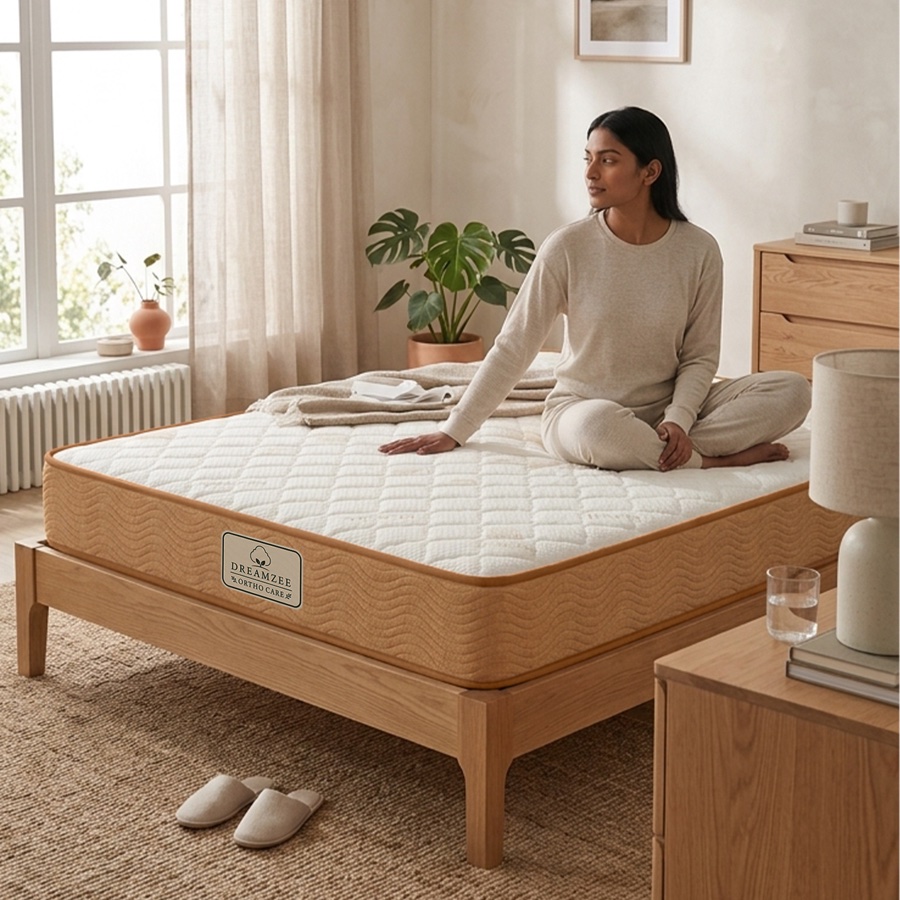
A single spilled morning coffee or pet mishap can trigger panic, prompting many sleepers to attack their mattress with buckets of soapy water or industrial steam cleaners. Unfortunately, aggressive wet cleaning ruins high-performance comfort layers faster than almost anything else. Whether you sleep on a classic contouring bed like the Nectar Memory Foam, an active cooling hybrid like the Nolah Evolution 15, or a high-density viscoelastic icon like Tempur-Pedic, introducing excess moisture directly into internal foams destroys cellular integrity and immediately voids your manufacturer warranty.
Nearly every bed maker includes strict moisture clauses in their warranty terms. A visible liquid stain or evidence of internal dampness relieves manufacturers of their obligation to repair structural sagging or defective stitching. Even premium adjustable-air luxury options like the Saatva Solaire and hyper-elastic polymer builds like the Purple require gentle topical maintenance rather than saturated washing. Understanding how to lift biological soils, pull out deep odors, and keep liquids far away from core foams preserves both your spine support and your consumer protections.
The Anatomy of Foam Damage: Why Moisture Is Fatal
Polyurethane foam, viscoelastic memory foam, and natural latex depend on intricate open-cell matrices to deliver pressure relief. When water or chemical detergents soak past the top quilted ticking, that moisture becomes trapped inside the microscopic cells. Modern mattresses are engineered for thermal insulation and pressure absorption, not lateral airflow through saturated slabs.
Trapped moisture triggers three destructive mechanisms:
- Hydrolytic Degradation: Water breaks down the polymer chains within the foam, turning resilient, body-contouring materials into brittle, sagging mush. If you are comparing contour systems such as Purple vs Tempur-Pedic, note that while proprietary gels dry slightly faster, their supporting polyfoam bases degrade just as quickly under moisture.
- Microbial Proliferation: A damp, dark interior maintained at normal room temperature creates a prime incubator for mold, mildew, and dust mite colonization within 24 to 48 hours.
- Adhesive Dissolution: Multi-layer mattresses—such as the plant-oil-infused Amerisleep AS3 or dense contouring slabs like the Loom & Leaf—use water-based or hot-melt adhesives between tiers. Flooding the bed dissolves these bonds, causing layers to slide and shift permanently.
From the Testing Lab: During destructive durability evaluations, we subjected isolated memory foam cores to targeted moisture saturation. Within three weeks of drying under ambient airflow, cores exposed to fluid showed a 38% loss in indentation load deflection (ILD) firmness and permanent internal discoloration, validating why claims inspectors immediately reject water-damaged beds.
The Safe Cleaning Hierarchy: Step-by-Step Maintenance
Preserving your mattress involves dry methods first, targeted damp spot-cleaning second, and heavy liquid never. Follow this order to keep your sleep surface pristine.
Step 1: High-Efficiency Particulate Vacuuming
Every three months, strip all sheets and vacuum the top cover and perimeter gussets using a clean upholstery attachment. This removes dead epidermal cells, shed hair, and dust mite waste. Pay specific attention to the quilted seams on pillowy models like the Nectar Luxe Hybrid or the Casper, where microscopic debris gathers naturally.
Step 2: The Dry Baking Soda Deodorizing Protocol
Perspiration releases organic acids that settle into upholstery fabric. To neutralize odors without risking moisture:
* Sift a uniform layer of pure sodium bicarbonate (baking soda) across the entire sleeping plane.
* For stubborn odors, mix 10 drops of high-grade lavender or eucalyptus essential oil into the dry baking soda prior to sifting.
* Leave the powder undisturbed for a minimum of 6 to 8 hours in a sunlit, ventilated room.
* Thoroughly vacuum the powder away using slow, overlapping strokes.
Step 3: Targeted Enzyme Spot Treatment for Biological Stains
Blood, urine, vomit, and heavy sweat contain complex proteins and lipids that hot water or harsh bleaches permanently bake into fabric fibers. Always use a cold-water-activated enzymatic cleaner.
* The Golden Rule: Never spray cleaner directly onto the mattress. Spray the enzyme formula onto a clean, light-colored microfiber towel until lightly damp.
* Dab, Never Rub: Press the towel firmly against the spot, letting the enzymes break down biological bonds at the surface level. Vigorous rubbing spreads the ring and pushes fluids downward into the comfort layer.
* Blot Dry: Press a dry cloth onto the area to extract the loosened residue. Repeat with a separate cloth slightly dampened with cold tap water to lift any residual surfactant, then blot thoroughly.
Mattress Cleaning Approaches Compared
The following reference outlines which cleaning techniques preserve your bed and which pose catastrophic risks to internal foam cores:
| Cleaning Technique | Best Used For | Risk Level to Foams | Impact on Warranty |
|---|---|---|---|
| HEPA Upholstery Vacuuming | Allergens, dead skin, dander | Zero Risk | Safe; preserves hygiene requirements |
| Baking Soda Deodorizing | Sweat odors, stale ambient smells | Zero Risk | Fully approved by manufacturers |
| Damp-Cloth Enzyme Blotting | Blood, urine, food, biological stains | Low (if surface remains unsoaked) | Safe; prevents visible surface voiding |
| Steam Cleaning / Wet Extractors | Deep fabric sanitization | Extreme (heat & water injection) | Voids warranty immediately |
| Rubbing Alcohol or Bleach | Mold eradication, heavy disinfection | High (chemical burning of foam) | Voids warranty immediately |
Why Steam Cleaners Void Your Warranty Instantly
Commercial steam machines market themselves as the ultimate sanitization solution, reaching temperatures past 200°F (93°C). While steam works on solid tile or heavy car upholstery, applying it to a mattress spells disaster. High temperatures degrade memory foams found in models like the Novosbed and flippable fluted systems like Layla.
Heat weakens the structural memory of viscoelastic polyurethane, leaving permanent indentations that mimic body impressions. Simultaneously, pressurized steam forces moisture deep into internal coil systems and support foams. When independent claims adjusters review a warranty claim, they run moisture meters across the core; elevated subterranean moisture readings automatically disqualify the claim, leaving you with zero financial recourse.
The Critical Defensive Line: Liquid-Proof Breathable Protectors
Cleaning a mattress should be an infrequent emergency response, not an annual deep-soak routine. The easiest way to protect beds like the Bear Original or Tuft & Needle Hybrid is installing a lab-tested, breathable waterproof protector.
Modern covers abandon crinkly vinyl in favor of microscopic polyurethane laminate (TPU) membranes bonded to soft jersey, bamboo, or Tencel fabrics. These membranes allow microscopic water vapor (sweat evaporation) to pass outward while blocking liquid droplets, dead skin, and dust mites from migrating inward. If you are browsing our Mattress Deals & Coupons or reading through our All Mattress Reviews, remember to bundle an engineered protector with your purchase to preserve the mattress's return policy and multi-year warranty.
If you wake up hot or shift between multiple sleeping orientations, a high-quality protector also keeps internal cooling foams functional. Read our guides on Combination Sleeping: Why Bounce and Coil Response Matter and Side Sleepers & Shoulder Numbness to see how keeping foams resilient directly prevents pressure hotspots and spinal sagging over time.
Frequently Asked Questions
Can I remove and machine-wash my mattress cover?
Only if the care tag explicitly says it is machine washable. Many mattresses, including several legacy memory foam beds, use zippered covers to assemble the mattress at the factory, but removing them can release internal glass fiber fire barriers into your home. Even without fiberglass, unzipping and washing covers can cause shrinkage that makes reinstallation impossible. Always spot-clean the cover in place unless the manufacturer states otherwise.
How do I dry a wet spot quickly without heat?
Position an electric floor fan or high-velocity air mover directly over the damp patch. Open windows to reduce ambient room humidity. You can also press clean dry towels weighted down by heavy books onto the area to extract capillary moisture, followed by a gentle pass with a hair dryer set strictly on cool/no-heat from at least twelve inches away.
Does a small stain really void a 10- or 25-year mattress warranty?
Yes. Mattress warranty language generally includes an explicit "sanitary condition" clause. If a technician inspects a bed for physical sagging, coil failure, or broken edge support, any visible organic stain—even one unrelated to the mechanical fault—legally voids coverage because federal safety regulations protect factory workers from handling biologically soiled items.

Jessica Moore, Certified Sleep Science Coach
Jessica has spent 8+ years analyzing biomechanics, pressure relief mapping, and mattress ergonomics. She leads our independent sleep lab in Austin, TX, overseeing thermal, motion, and durability testing.