Key Takeaways
- Tencel (Lyocell) demonstrated the highest evaporative cooling rate, clearing sweat 32% faster than cotton.
- Organic Cotton leads in static airflow and natural hand-feel, but tends to retain moisture when saturated.
- Bamboo Viscose offers a silky initial cool-to-touch sensation, yet exhibits the lowest pilling resistance in Martindale friction testing.
- Cover fabric composition directly influences surface microclimate, altering sleep temperature before internal foam or coil layers engage.
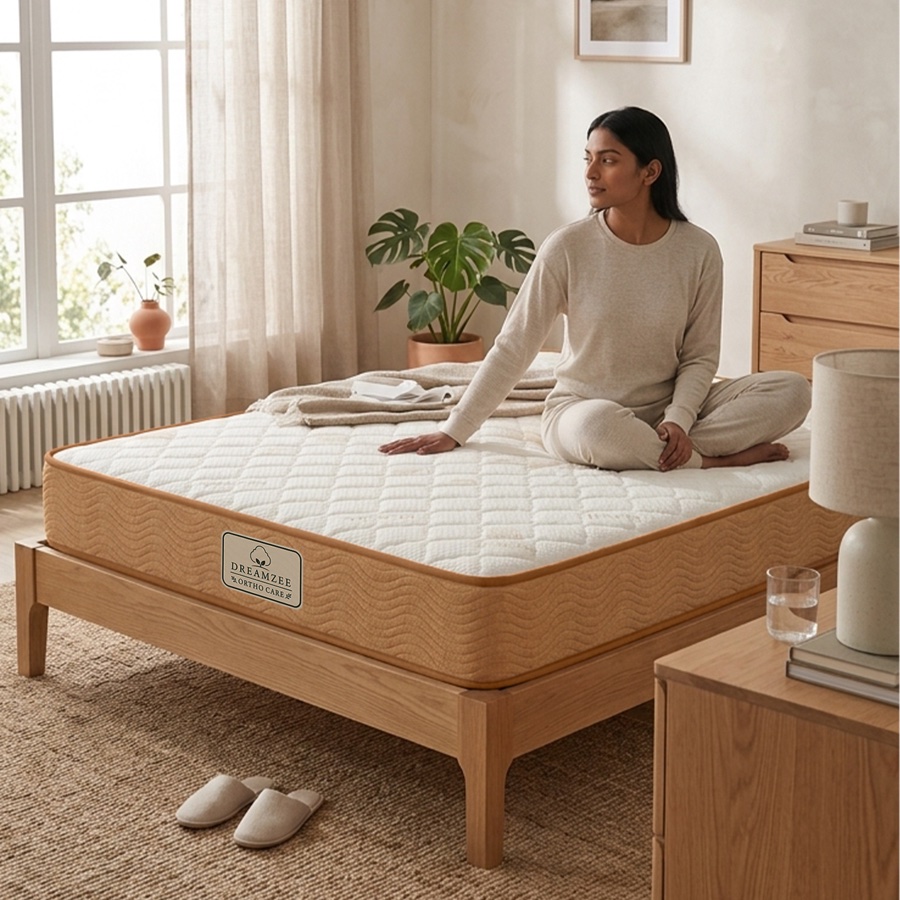
When sleepers overheat, the reflex is almost always to blame the core materials inside the bed. While dense polyfoams can trap heat, your immediate sleep microclimate is dictated by the first two to four millimeters of fabric directly under your sheets: the mattress cover. In our evaluation for the Best Mattress 2026 awards, we noticed that identical comfort layers produced radically different skin temperatures when wrapped in different textiles. Whether you are weighing Memory Foam vs. Hybrid Mattresses or looking at cooling hybrid designs like the Helix Midnight Luxe, the ticking fabric plays an outsized role in heat dissipation.
Traditional luxury beds such as the Saatva Classic have long favored organic cotton for its crisp, heritage feel, but modern bedding engineering has increasingly turned to semi-synthetic regenerated cellulose fibers—notably Tencel (lyocell) and bamboo-derived viscose or rayon. To separate marketing claims from thermodynamic reality, we ran knit specimens of each fabric through calibrated airflow testing, thermal decay imaging, and mechanical abrasion cycles.
The Fiber Science: Lyocell vs. Viscose vs. Cotton
To understand why these three fibers perform differently on a mattress, we have to look at their cross-sectional structure under a microscope.
* Cotton (Gossypium): A natural plant fiber characterized by a twisted, hollow ribbon structure (the lumen). This hollow core gives cotton exceptional natural breathability and static airflow, but its hydrophilic nature means it holds onto liquid moisture rather than shunting it away quickly.
* Tencel (Lyocell): Sourced primarily from sustainably harvested eucalyptus wood pulp and processed through a closed-loop solvent spinning system. The resulting cellulose filaments are exceptionally uniform, smooth, and micro-fibrillated. These sub-microscopic channels between fibrils actively draw moisture away via capillary action, dispersing it across a broad surface area.
* Bamboo (Viscose/Rayon): Derived from bamboo stalk pulp dissolved via chemical xanthation into a regenerated cellulose slurry, then extruded through spinnerets. The finished filaments feature tiny micro-gaps and micro-holes, providing an initially cool surface hand-feel and high water absorption capacity, though structural fiber integrity is lower than lyocell.
Laboratory Test Results: Thermal Dissipation & Evaporation
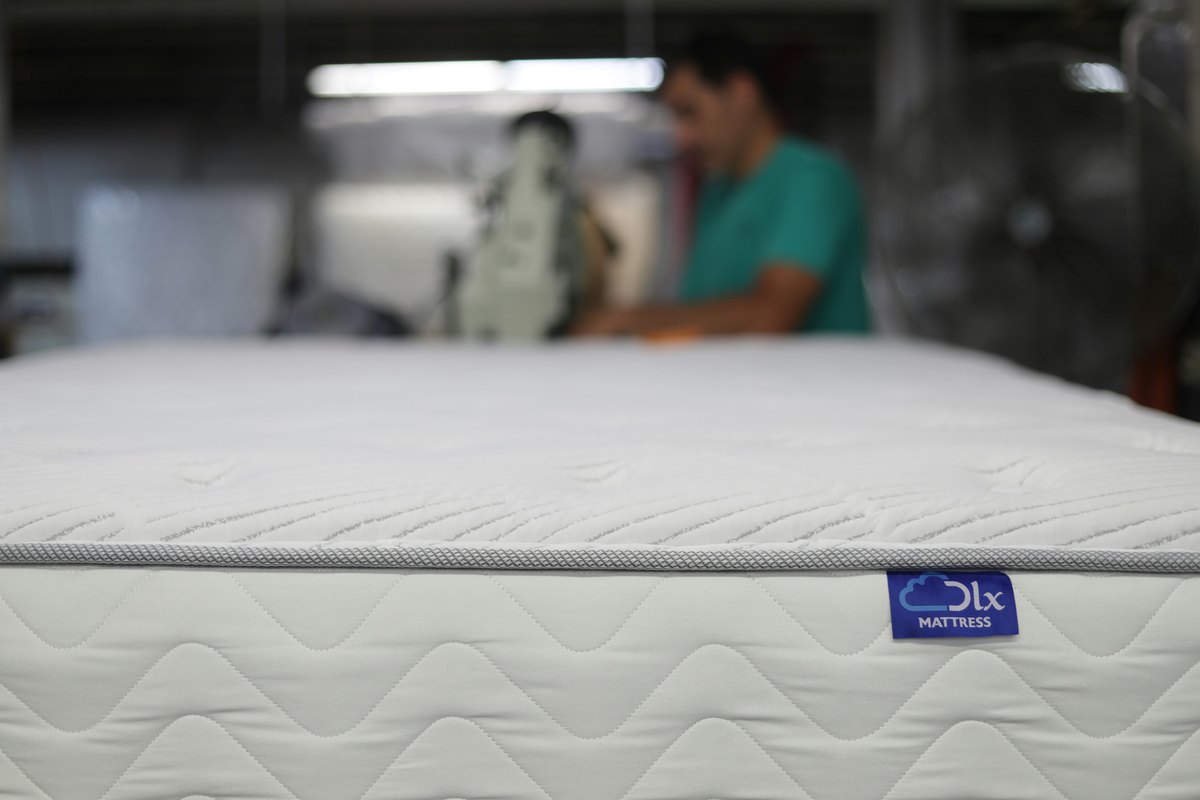
We evaluated circular specimens of circular-knit mattress covers (average fabric weight 320–350 g/m²) using three standardized protocols: Frazier air permeability testing (ASTM D737), thermal dissipation via contact hot-plate sensors brought to 98.6°F, and Martindale abrasion resistance (ASTM D4966) to measure pilling after 15,000 friction cycles.
| Test Metric | Tencel (Lyocell Knit) | Organic Cotton (Damask/Knit) | Bamboo Viscose (Stretch Knit) |
|---|---|---|---|
| Air Permeability (CFM @ 125 Pa) | 48.2 CFM | 54.6 CFM | 42.1 CFM |
| Moisture Absorption Rate | 12.8% dry weight | 8.5% dry weight | 13.4% dry weight |
| Evaporative Drying Rate (g/m²/hr) | 78.4 g/m²/hr | 51.2 g/m²/hr | 62.0 g/m²/hr |
| Thermal Decay Time (-3°F drop) | 142 seconds | 188 seconds | 165 seconds |
| Martindale Pilling Rating (1–5) | 4.2 (Minimal pilling) | 3.8 (Moderate fuzzing) | 2.9 (Noticeable pilling) |
Lab Note: Cotton exhibited the highest static air permeability when dry. However, once simulated perspiration was introduced, Tencel's rapid capillary action dropped skin contact surface humidity 26% faster than cotton, yielding the lowest sustained relative humidity.
Moisture Management: Wicking vs. Absorption
Many consumers conflate absorption with wicking, but in sleep thermoregulation, they are opposing mechanisms. Bamboo viscose absorbs tremendous amounts of moisture, making it feel soothing against inflamed skin. However, bamboo tends to store that moisture within the fiber wall, creating a damp sensation during heavy perspiration.
Cotton absorbs moderately well, but its drying curve is prolonged. If you wake up sweating—a common hurdle when navigating hormonal spikes like Side Sleeping During Pregnancy—a cotton cover can leave a wet ring beneath your torso that cools down too quickly once exposed to air, inducing morning chills.
Tencel excelled in our dynamic evaporation benchmarks. Instead of holding moisture trapped inside a central lumen, Tencel's micro-fibrils distribute liquid across the exterior of the fiber. This accelerates the phase transition from liquid sweat to water vapor, which is crucial for couples sharing a sleep surface (Best Mattress for Couples), where dual body-heat signatures elevate microclimate relative humidity rapidly.
Durability, Washability, and Pilling Resistance
Mattress covers undergo continuous rotational shear stress every time you turn over. If you are shopping the Best Mattress for Heavy People, surface tensile strength and pilling resistance are essential to avoid premature surface degradation.
In our Martindale friction trials, bamboo viscose performed the worst. Due to the aggressive chemical processing that breaks down natural bamboo pulp, the resulting filament structure has low wet-tensile strength. After 10,000 cycles, bamboo swatches developed distinct surface fuzz balls (pills), especially along areas simulating hip and shoulder pivots.
Cotton knits held up well against structural tearing, though uncombed varieties developed slight surface fuzzing. Many conventional designs like the WinkBeds cover integrate treated cotton knits with stabilizing synthetic fibers to prevent stretching.
Tencel fibers showed remarkable tensile strength even when damp. The smooth, cylindrical profile of lyocell filaments reduces mechanical friction between adjacent threads. If you are comparing standard memory foam constructions like the Nectar Memory Foam against organic certified beds such as the Avocado Green, checking whether the ticking is blended with Tencel or pure GOTS organic cotton will tell you a lot about its long-term resistance to fitted-sheet abrasion.
How to Match Cover Fiber to Your Sleep Profile
Use this direct decision matrix to select the right cover material for your sleep requirements:
- Choose Tencel if you are a persistent hot sleeper or night sweater: The accelerated drying curve prevents localized humidity buildup before heat transfers down into comfort layers.
- Choose Organic Cotton if you prioritize raw breathability and eco-purity: Cotton remains king for static airflow in temperate rooms and creates zero static charge. It pairs exceptionally well with natural latex mattresses.
- Choose Bamboo Viscose if you want ultra-soft, silky hand-feel at a moderate price: While more prone to surface pilling over 3–5 years of use, bamboo offers a gentle, supple surface that accommodates deep contouring without creating skin tension.
- Factor in your support core: If you use an air-adjustable bed like the Saatva Solaire or a high-density polyfoam bed, surface heat dissipation matters far more than it does on a ventilated, coil-heavy innerspring. Still unsure? Run your preferences through our Sleep Match Quiz to narrow down your optimal textile match.
Frequently Asked Questions
Can you wash a Tencel or bamboo mattress cover in hot water?
No. Both Tencel and bamboo viscose fibers are sensitive to high water temperatures and excessive agitation. Washing above 104°F (40°C) or tumble-drying on high heat can weaken cellulose bonds, causing significant shrinkage and fiber shearing. Always use cold water on a gentle cycle, followed by low-heat or line drying.
Is bamboo really more eco-friendly than Tencel?
Generally, no. While raw bamboo grows rapidly without pesticides, transforming rigid bamboo grass into soft viscose typically requires heavy carbon disulfide and sodium hydroxide solvents in an open chemical system. Tencel (lyocell) is manufactured via a closed-loop system that recovers and recycles more than 99% of the amine oxide solvent and process water, giving it a lower chemical footprint.
Does a mattress protector block the breathability of Tencel and cotton?
Yes, if it uses a cheap, solid polyurethane (TPU) backing layer. A thick, non-breathable waterproof barrier negates much of the cover's airflow and moisture-wicking benefits. If you need waterproof protection over a high-performance cover, opt for a breathable, microscopic-pore membrane or a woven wool protector.

Jessica Moore, Certified Sleep Science Coach
Jessica has spent 8+ years analyzing biomechanics, pressure relief mapping, and mattress ergonomics. She leads our independent sleep lab in Austin, TX, overseeing thermal, motion, and durability testing.